

Losing teeth is a common part of aging, but it does not mean you have to live with a smile you do not love. Many older adults struggle with loose dentures or missing teeth that make eating and speaking difficult. If you are looking for a permanent, comfortable solution, you might be wondering about dental implants for seniors. This treatment has become the gold standard for replacing missing teeth, offering a secure and natural-looking result.
At Whiteman Dental, we understand that older patients have unique needs and concerns. We want to help you make the best decision for your health and your lifestyle. Let us explore how Dental Implants treatment works, why it is so beneficial for older adults, and what you can expect from the process.
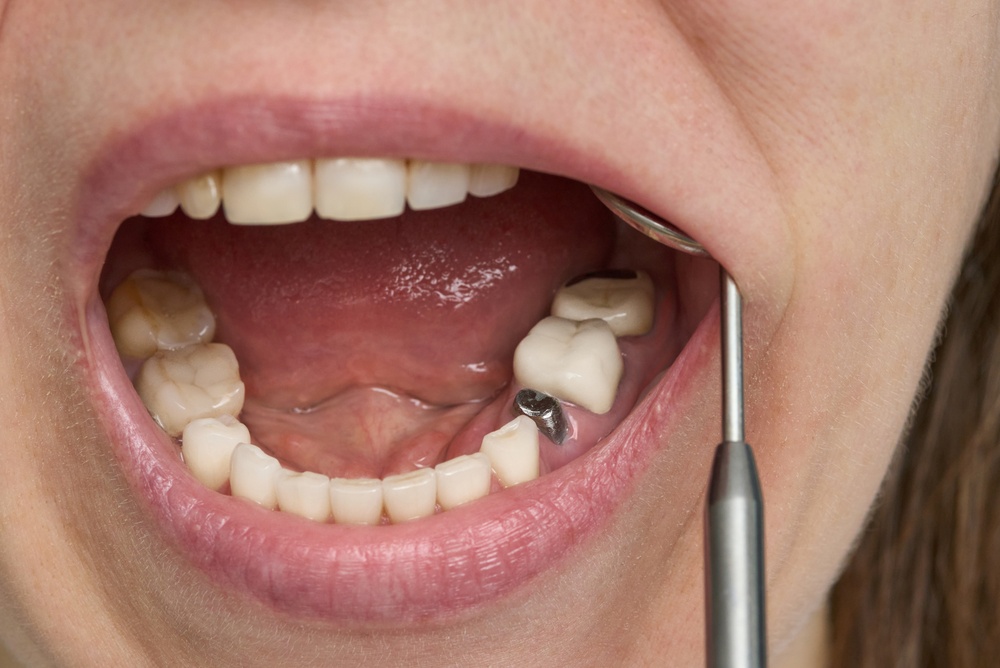
Before we discuss the benefits, it helps to understand exactly what this treatment involves. A dental implant is a small titanium post that is surgically placed into your jawbone. This post acts as an artificial tooth root. Over time, the bone naturally fuses with the titanium, creating a very strong and stable foundation.
Once the post is securely integrated with the bone, a custom-made crown, bridge, or denture is attached to the top. The final result looks, feels, and functions just like a natural tooth. Because the post is anchored in the bone, you never have to worry about your new teeth slipping or clicking when you talk or eat.
One of the most common questions we hear is are dental implants safe for seniors. The answer is a resounding yes. Age itself is not a barrier to this treatment. The most important factor is your overall health and the condition of your jawbone, not the year you were born.
Many older adults successfully undergo this procedure and enjoy the benefits for the rest of their lives. Your dentist will carefully evaluate your medical history, including any medications you take, to confirm the surgery is safe for you. Conditions like uncontrolled diabetes or active gum disease may need to be managed before the procedure, but they do not automatically disqualify you.
There are many reasons why this treatment is highly recommended for older adults. The benefits go far beyond just improving the appearance of your smile.
First, they restore your ability to chew properly. This means you can enjoy a varied, nutritious diet, including crunchy fruits, vegetables, and proteins that are often difficult to eat with traditional dentures. Better nutrition leads to better overall health.
Second, they prevent bone loss in the jaw. When you lose a tooth, the bone underneath begins to shrink. The titanium post stimulates the bone, keeping your jaw strong and maintaining your natural facial structure.
Finally, they offer incredible convenience. You care for them just like natural teeth, with regular brushing and flossing, eliminating the need for messy adhesives or special cleaning solutions.
Cost is a significant consideration for many older adults, especially those on a fixed income. So, what is the cost of dental implants for seniors? The price varies widely depending on several factors.
The total cost depends on how many teeth need to be replaced, the type of restoration you choose (a single crown versus a full denture), and whether you need any preparatory procedures like bone grafting.
The initial investment is higher than traditional dentures, but it is important to consider the long-term value. Because they can last a lifetime with proper care, they are often more cost-effective in the long run than dentures that need to be repeatedly adjusted or replaced.
Many older adults rely on Medicare for their healthcare needs, leading to the question: does medicare cover dental implants for seniors? Unfortunately, original Medicare (Part A and Part B) does not cover routine dental care, including this procedure.
Medicare is designed to cover medical necessities, and dental work is generally excluded. There are some exceptions. If the procedure is deemed medically necessary as part of a larger surgery, such as reconstruction after jaw cancer, Medicare might cover a portion of the hospital costs. But for standard tooth replacement, you cannot rely on original Medicare.
If original Medicare does not cover the cost, will medicare pay for dental implants for seniors under any circumstances? The answer is usually no, but you might have other options through Medicare Advantage plans (Part C).
Some Medicare Advantage plans offer supplemental dental coverage. These plans are offered by private insurance companies approved by Medicare. The level of coverage varies significantly from plan to plan. Some might cover a percentage of the cost, while others might only cover routine cleanings and exams.
Always review your specific plan details or speak with your insurance provider to understand exactly what is covered.
The cost of treatment leads many people to search for free dental implants for seniors. Truly free comprehensive treatment is extremely rare, but there are some avenues you can explore for reduced-cost care.
Dental schools are one option. Dental students perform the procedures under the strict supervision of experienced, licensed dentists. The cost is usually significantly lower than a private practice. You can also look into clinical trials or research studies, which sometimes offer free or heavily discounted treatment to participants who meet specific criteria.
Some charitable organizations and local health departments offer grants or sliding-scale fees for low-income seniors, though these programs often have long waiting lists.
If you decide to move forward with teeth planting, it is helpful to know what the process involves. The procedure is usually completed in several stages over a few months.
The first step is a comprehensive consultation, including X-rays or 3D imaging, to assess your jawbone and plan the surgery. Next is the surgical placement of the titanium post into the jawbone. This is done under local anesthesia, and most patients report very little discomfort.
After the surgery, you will need several months to heal while the bone fuses with the post. Once healing is complete, an abutment (connector) is placed, and finally, your custom crown or denture is attached.
One of the best things about this treatment is how easy it is to maintain. You care for your new teeth just like you would your natural ones.
Brush twice a day with a soft-bristled toothbrush and non-abrasive toothpaste. Floss daily to remove plaque from around the base of the restoration. Regular dental checkups and professional cleanings are also essential. Your dentist will monitor the health of your gums and confirm the restoration remains secure. With excellent oral hygiene, your new smile can last for decades.
If you are tired of dealing with missing teeth or uncomfortable dentures, it is time to explore a better solution. At Whiteman Dental, we are dedicated to helping our older patients achieve healthy, confident smiles.
We offer personalized care in a comfortable, welcoming environment. Our team will answer all your questions, explain your options, and help you navigate the financial aspects of your care. Contact Whiteman Dental today to schedule your consultation and take the first step toward a stronger, more beautiful smile.
Yes, they are very safe for older adults. The success of the procedure depends more on your overall health and jawbone density than your age.
The process usually takes several months from start to finish. This allows time for the titanium post to securely fuse with your jawbone before the final restoration is attached.
Original Medicare (Part A and Part B) does not cover routine dental care or this procedure. Some Medicare Advantage (Part C) plans may offer partial coverage, so you must check your specific policy.
The surgery is performed under local anesthesia, so you will not feel pain during the procedure. Most patients experience only mild soreness and swelling for a few days afterward, which can be managed with over-the-counter pain relievers.
You care for them just like natural teeth. Brush twice a day, floss daily, and visit your dentist for regular checkups and professional cleanings.