


Getting a dental implant is a big step toward replacing a missing tooth. After placement, your mouth needs time to heal before the final crown, bridge, or denture can be added. That healing time is a normal part of the process.
Knowing what to expect after dental implants can make recovery feel easier. Mild swelling, soreness, and changes to what you eat are common at first. Over the next few months, the implant bonds with the jawbone. This healing stage creates the stable base that will support your new tooth.
At Whiteman Dental Associates, we provide dental implantsfor people who need to replace one tooth or several teeth. Implants can also support a denture. We plan each stage around your mouth, your health, and the type of restoration you need. This guide covers the first few days, the longer healing period, and bone graft recovery.
Recovery happens in stages, so the first few days feel different from the months that follow.
We give you personal aftercare instructions based on the treatment you have had.
The first day after dental implants is mainly about protecting the area and giving your mouth time to settle. You may notice mild bleeding, swelling, or tenderness around the implant site. These effects are common after oral surgery and should start to ease as healing begins.
The area can feel tender once the numbing medicine wears off. Swelling may build during the first couple of days before it starts to improve. Follow the pain relief and home-care instructions we give you.
Soft foods are usually easier during the first few days. Foods that need little chewing can help you avoid pressure on the implant site. Try to chew away from the treated area if you can. Hard, crunchy, or sticky foods can put extra pressure on healing tissue, so leave those for later.
Good oral care still matters, but the surgical site needs a gentle touch. We will explain how to brush around the area and when to use any rinse we recommend. Do not scrub the implant site or poke it with your tongue, fingers, or other objects. The tissue needs time to close and heal.
Most people notice steady improvement during the first week. Soreness should become easier to manage, and swelling should start to settle. You may still need softer foods for part of the week. Your normal routine can return in stages as your mouth feels better.
Many people can get back to light daily activities quite soon. Hard exercise may need to wait for a short time because it can increase throbbing or bleeding. Follow the advice we give you for your procedure. Recovery after one implant can be different from recovery after several implants.
Some implant procedures use stitches. We will tell you if they dissolve on their own or need to be removed. Follow-up visits let us check the gum and implant site. They also give you a chance to ask about anything that feels different during recovery.
The gum often feels much better before the implant has finished healing inside the jaw. The deeper healing stage can take several months. During this time, the bone grows around the implant and holds it in place. This process is called osseointegration.
The implant needs a strong bond with the jawbone before it takes the full force of biting and chewing. Giving the bone time to heal helps build that support. Your timeline can change based on your bone health and where the implant sits. Bone grafting can add more healing time.
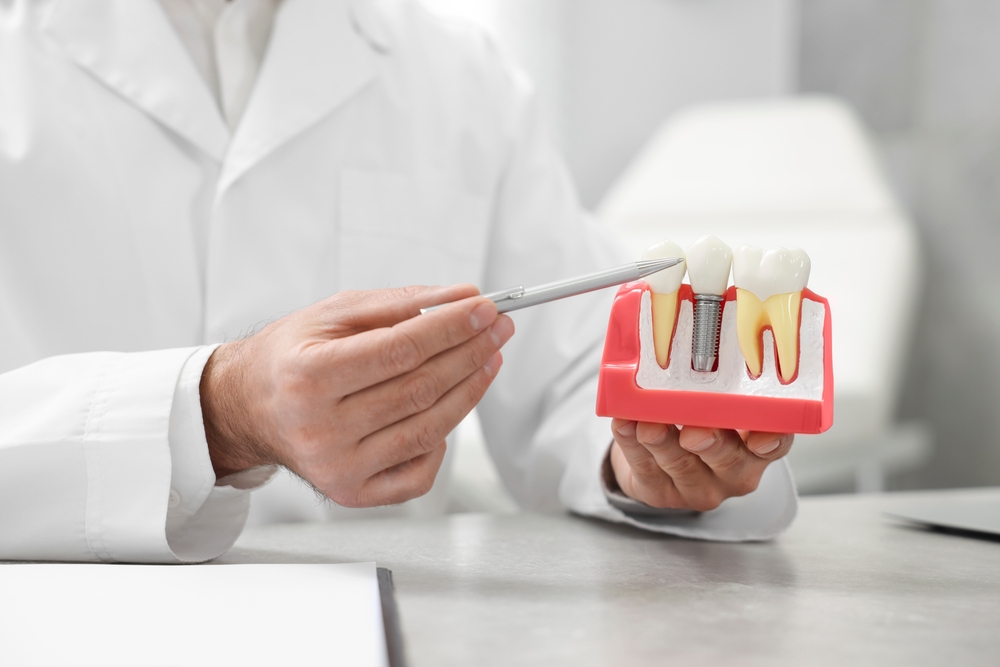
Once the implant is stable, we can move to the next stage. A small connector called an abutment is placed on the implant. The final crown, bridge, or denture is then made to fit. A single dental implant will usually support one crown, while several implants can support a larger restoration.
Some people need more bone before an implant can be placed. A bone graft adds material to an area of the jaw that needs extra support.
After grafting, mild swelling and tenderness are common for a few days. We may ask you to eat soft foods and avoid hard chewing near the site. You will also need to keep the area clean without brushing directly over it at first.
The graft then needs time to join with your natural bone. This often takes about three to six months. We check your healing before deciding when the area is ready for implant placement.
In some cases, yes. An implant and bone graft can sometimes be placed during the same visit. This depends on how much healthy bone is already there and where the implant needs to go. If the area needs more healing first, the graft may be completed as a separate stage.
We use imaging and a full exam to plan the right approach for your mouth.
Full mouth dental implants involve more treatment than replacing one tooth. Several implant sites may be healing at once, so your eating plan may stay softer for longer.
What to expect after dental implants also depends on the type of full-arch restoration you receive. Some people wear temporary teeth during healing, with the final restoration added later.
We explain each stage before treatment starts. You will know when the implants are placed and what you will wear during healing. We will also explain when the final teeth can be fitted.
A dental implant needs good care during healing and after the final tooth is attached. The aim is to keep the gums clean without disturbing the surgical site.
Brush the rest of your mouth as normal. Be gentle near the implant until we tell you the area is ready for regular brushing. If we give you a rinse, use it as directed. Once the site has healed, daily brushing and cleaning between the teeth should become part of your normal routine.
Smoking can slow healing and raise the risk of implant problems. If you smoke, talk to us before treatment so we can discuss ways to lower the risk.
Implant care continues after surgery. We check the gum, implant, and bite during follow-up visits. Once treatment is complete, regular dental exams and cleanings help us watch the implant and the tissue around it.
Some soreness is expected, but recovery should move toward feeling better. Contact us if pain starts getting stronger after several days or if the implant feels loose.
Call us if bleeding will not slow, swelling keeps getting worse, or you notice signs of infection. If something feels different from the aftercare plan we gave you, get in touch so we can check it.
Knowing what to expect after dental implants can make each stage feel more manageable. The first few days are about rest, soft foods, and gentle care. The longer healing period gives the implant time to bond with the jaw before the final tooth is added.
At Whiteman Dental Associates, we plan dental implant treatment around your health and bone support. We also look at how many teeth you need to replace. Teeth implants can be used for one missing tooth or as part of a larger restoration. If you are considering implant treatment, book a consultation with us. We can explain your timeline and what recovery may look like for you.
Book your dental implants appointment.
Mild swelling and tenderness are common for a few days after bone grafting. You may need soft foods and gentle cleaning while the site heals. The graft often needs about three to six months to join with the jawbone before the next stage.
Mild soreness is common for the first few days and should start to improve. Call us if pain gets stronger after several days or feels hard to control.
You will usually start with soft foods and add firmer foods as the area becomes more comfortable. We will tell you when it is safe to chew normally around the implant.
The implant often needs several months to bond with the jawbone before the final crown, bridge, or denture is added. Your timeline can be shorter or longer based on your healing and treatment plan.
You can keep brushing the rest of your teeth, but the implant site needs gentle care at first. We will show you how to clean the area and when to return to normal brushing.

![How to Clean Your Teeth [Dentist Guide 2026]](https://www.whitemandental.com/wp-content/uploads/2026/10/How-to-Clean-Your-Teeth-Dentist-Guide-2026.jpg)