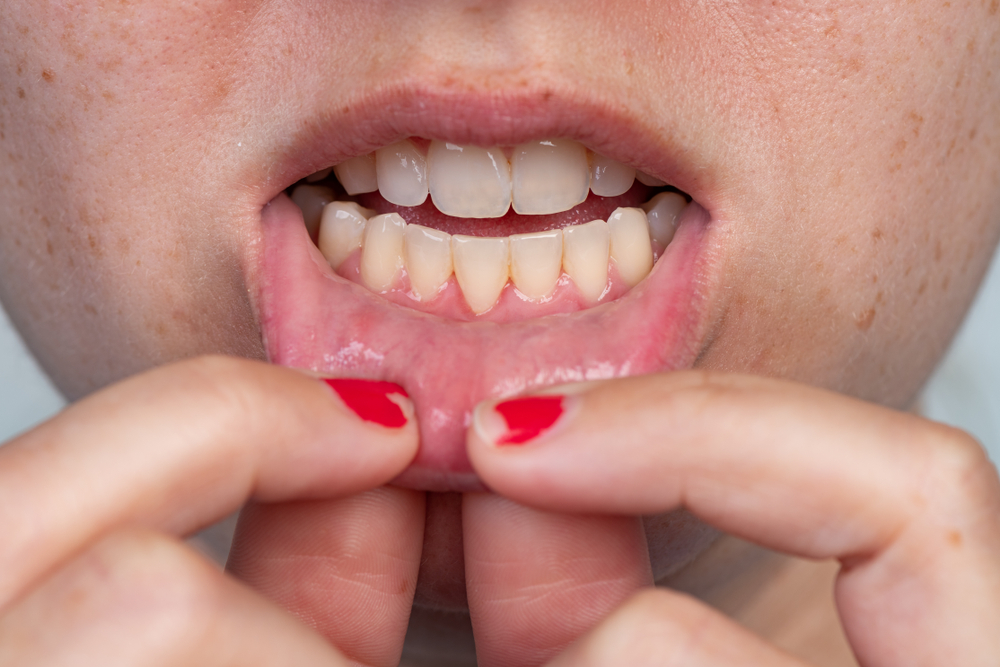


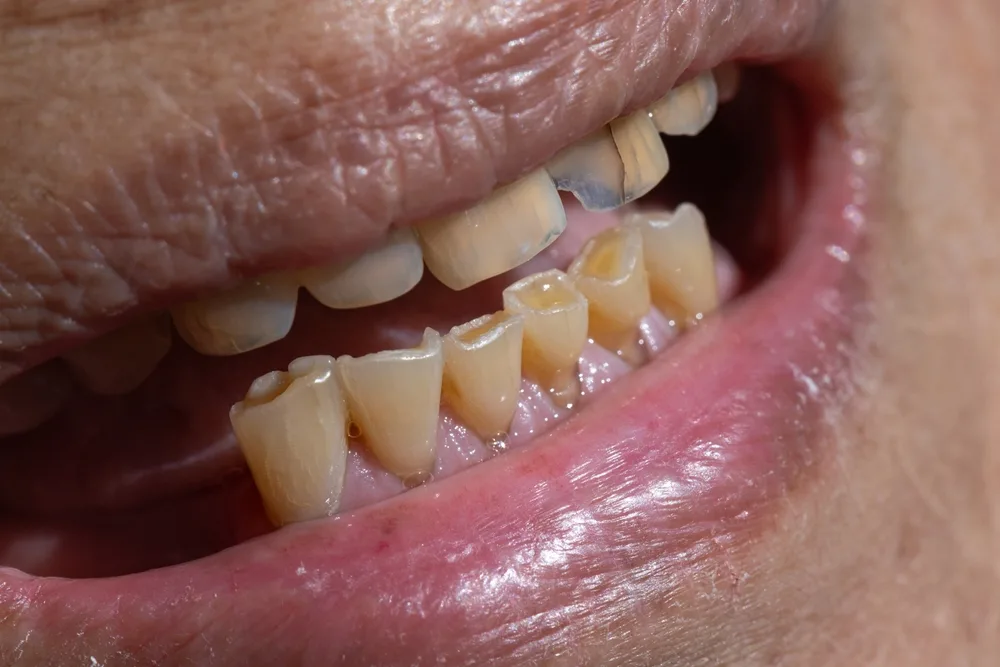
Your teeth are incredibly strong, but they are not indestructible. Every day, the hard outer layer of your teeth faces a barrage of acids from the foods you eat and the drinks you enjoy. Over time, this constant acid attack can wear away the protective surface, leading to a common problem known as enamel erosion. If you have ever wondered what this looks like, comparing enamel erosion before and after can be quite shocking.
At Whiteman Dental, we believe that the best way to protect your smile is to understand what threatens it. Recognizing the early signs of wear can help you take action before the damage becomes severe. Let us explore what causes this erosion, how it changes the appearance of your teeth, and what you can do to stop it in its tracks.
Before we look at the visual changes, it is important to understand what is actually happening to your teeth. Enamel is the hard, semi-clear outer layer that protects the sensitive inner parts of your tooth. It is the hardest substance in the human body, even harder than bone.
That said, it is highly vulnerable to acid. When you consume acidic foods or drinks, the acid temporarily softens the enamel, drawing out essential minerals like calcium. This process is called demineralization. Usually, your saliva neutralizes the acid and helps redeposit those minerals, a process called remineralization. But if the acid attacks are too frequent, your saliva cannot keep up, and the enamel begins to permanently wear away.
Understanding the causes is the first step in prevention. The most common culprit is a diet high in acidic foods and beverages. Sodas, sports drinks, fruit juices (especially citrus), and even sparkling water are highly acidic. Frequent snacking on sour candies or citrus fruits can also cause significant damage.
Beyond diet, certain medical conditions can lead to severe erosion. Acid reflux, GERD, and frequent vomiting expose the teeth to strong stomach acids, which are much more corrosive than dietary acids. Additionally, dry mouth (often caused by medications) reduces the amount of saliva available to wash away acids and remineralize the teeth, accelerating the erosion process.
The changes to your teeth happen gradually, which is why looking at enamel erosion before and after photos is so helpful. In the “before” stage, healthy teeth look bright, white, and slightly translucent at the edges. The surface is smooth and reflects light evenly.
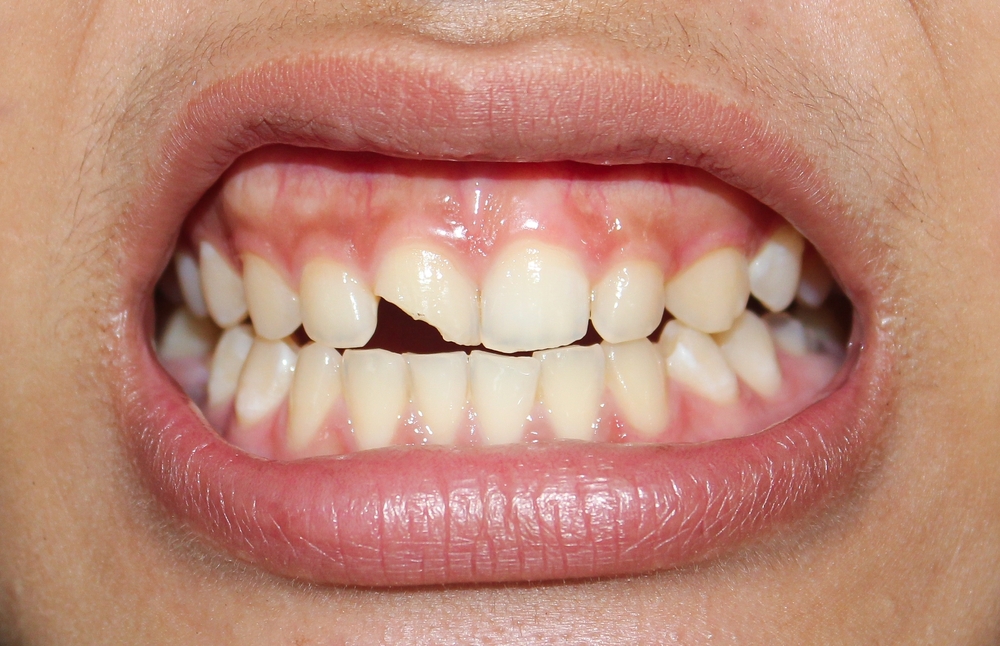
In the “after” stage, the changes are noticeable. As the white enamel wears thin, the yellowish dentin underneath begins to show through, making the teeth look yellow or discolored. The edges of the front teeth may look transparent or even slightly jagged and chipped. You might also notice small dents or “cupping” on the chewing surfaces of your back teeth. The overall appearance of the smile becomes duller and older-looking.
The visual changes are only part of the story. The physical symptoms of enamel loss tooth erosion before and after are often what drive patients to seek help. Before the erosion becomes severe, you might not feel any discomfort at all.
As the protective layer thins, the sensitive dentin is exposed. This leads to the most common symptom: tooth sensitivity. You might feel a sharp twinge of pain when eating hot, cold, or sweet foods. The teeth may also feel rougher to the tongue. In advanced cases, the weakened teeth are more prone to cracking, chipping, and severe decay, as the primary defense against cavity-causing bacteria is gone.
If you have already experienced significant wear, you might be looking for before and after enamel erosion repair options. You cannot regrow lost enamel, but modern dentistry offers several ways to restore the strength and appearance of your teeth.
For mild to moderate erosion, dental bonding is a popular choice. A tooth-colored resin is applied to the worn areas, covering the exposed dentin and restoring the tooth’s natural shape and color.
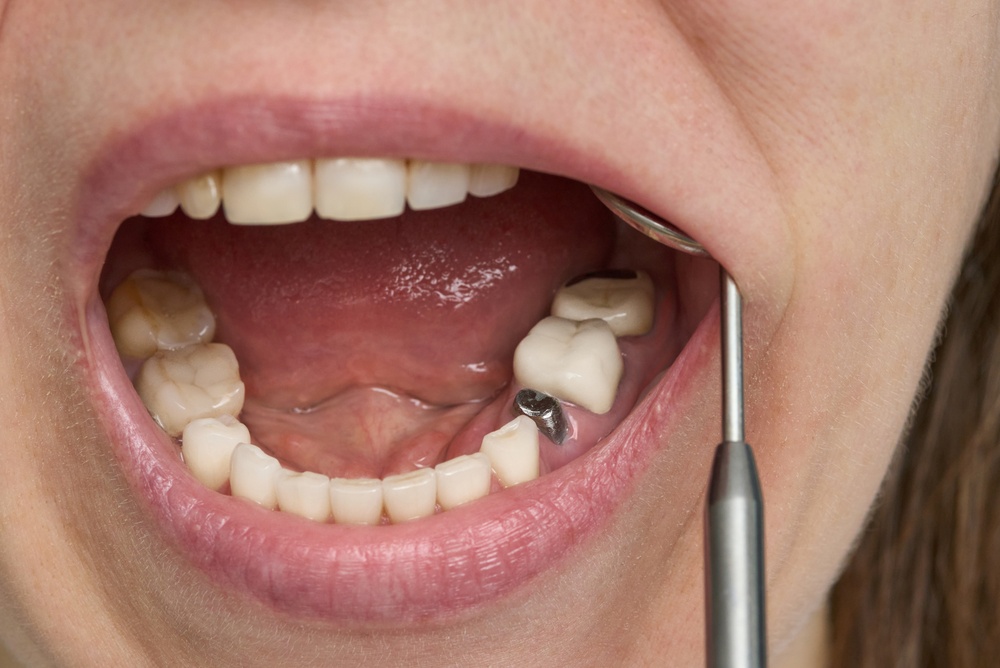
For more severe damage, porcelain veneers or dental crowns may be necessary. These custom-made restorations cover the entire front surface or the whole tooth, providing a durable, beautiful, and long-lasting solution that completely transforms the “after” appearance of your smile.
The best approach is always prevention. If you have noticed early signs of wear, there are several steps you can take to stop the process and protect your remaining enamel.
First, reduce your intake of acidic foods and drinks. When you do consume them, use a straw to minimize contact with your teeth, and do not swish the liquid around in your mouth. After eating or drinking something acidic, rinse your mouth with plain water to help neutralize the acids. Wait at least 30 minutes before brushing your teeth; brushing immediately while the enamel is soft can actually cause more wear.
One of the most effective ways to strengthen your teeth against acid attacks is through professional fluoride treatments. Fluoride is a natural mineral that makes your enamel more resistant to decay and erosion.
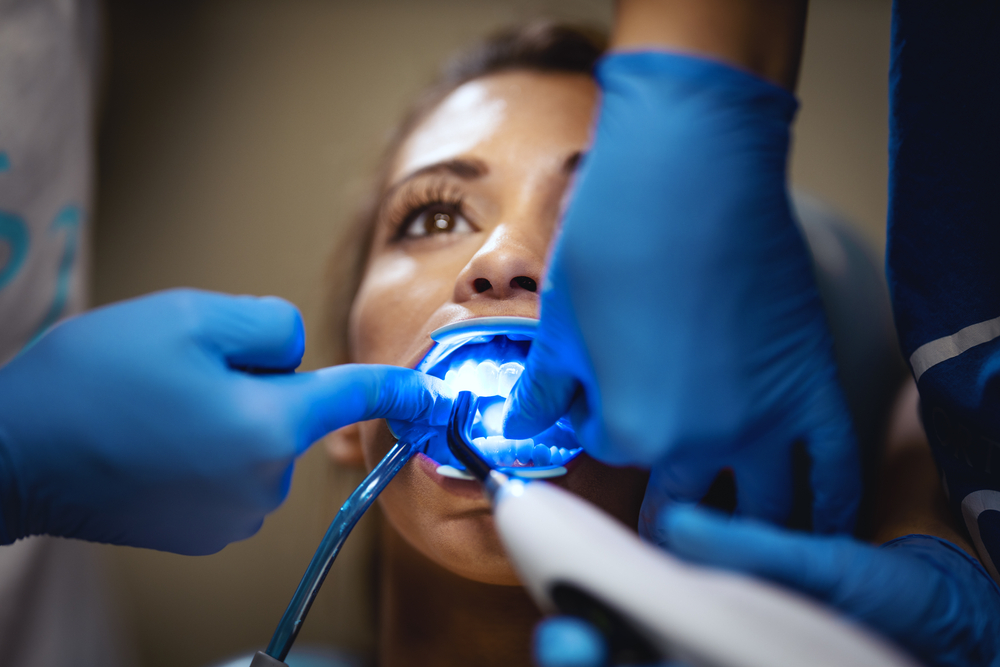
At Whiteman Dental, we offer quick and comfortable in-office fluoride treatments. We apply a highly concentrated fluoride varnish or gel directly to your teeth. This treatment helps remineralize weak spots and provides a strong shield against future acid damage. Using a fluoride toothpaste at home is also essential for daily protection.
A strong oral hygiene routine is crucial for keeping your smile healthy. Brush your teeth twice a day with a soft-bristled toothbrush. Hard bristles and abrasive toothpastes (like many whitening formulas) can actually scrub away softened enamel, making the problem worse.
Floss daily to remove plaque from between your teeth, where your toothbrush cannot reach. Regular dental checkups and professional cleanings are also vital. Your dentist can spot the early signs of erosion before you even notice them and recommend personalized strategies to protect your smile.
Saliva is your mouth’s natural defense system. It washes away food particles, neutralizes acids, and provides the minerals needed to repair early enamel damage. When you do not produce enough saliva, a condition known as dry mouth, your teeth are at a much higher risk for erosion.
Dry mouth can be caused by many factors, including certain medications, dehydration, and medical conditions. If you frequently feel like your mouth is dry or sticky, it is important to discuss this with your dentist. They can recommend special mouthwashes or gels designed to stimulate saliva production and protect your teeth from rapid wear.
Making smart choices about what you eat can significantly reduce your risk of enamel damage. It is hard to avoid all acidic foods, but you can balance them with foods that protect your teeth.
Dairy products like cheese, milk, and yogurt are excellent choices. They are high in calcium and phosphorus, which help remineralize the enamel. Crunchy fruits and vegetables, such as apples and carrots, stimulate saliva flow and help clean the teeth naturally. Drinking plenty of water throughout the day is also essential for keeping your mouth hydrated and washing away harmful acids.
If you are experiencing tooth sensitivity or have noticed changes in the color or shape of your teeth, do not wait to seek professional advice. Early intervention can save you from more extensive and costly treatments down the road.
At Whiteman Dental, we are committed to helping you maintain a strong, healthy, and beautiful smile for life. We will carefully evaluate your teeth, discuss your concerns, and create a customized plan to address any erosion and prevent future damage.
Contact Whiteman Dental today to schedule your comprehensive exam.
Erosion often makes teeth look yellow, as the white outer layer wears away and exposes the yellowish dentin underneath. The edges of the teeth may also look transparent, jagged, or chipped.
No, once enamel is lost, it cannot grow back because it does not contain living cells. Weakened enamel can be remineralized and hardened with fluoride before it is completely worn away.
Severe erosion cannot be reversed, but the teeth can be restored using cosmetic and restorative treatments like dental bonding, porcelain veneers, or dental crowns.
Sensitivity is a common symptom of erosion. As the protective outer layer thins, the sensitive inner layer (dentin) is exposed to hot, cold, and sweet foods, causing pain.
Limit acidic foods and drinks, use a straw for acidic beverages, rinse your mouth with water after consuming acids, and wait at least 30 minutes before brushing your teeth.