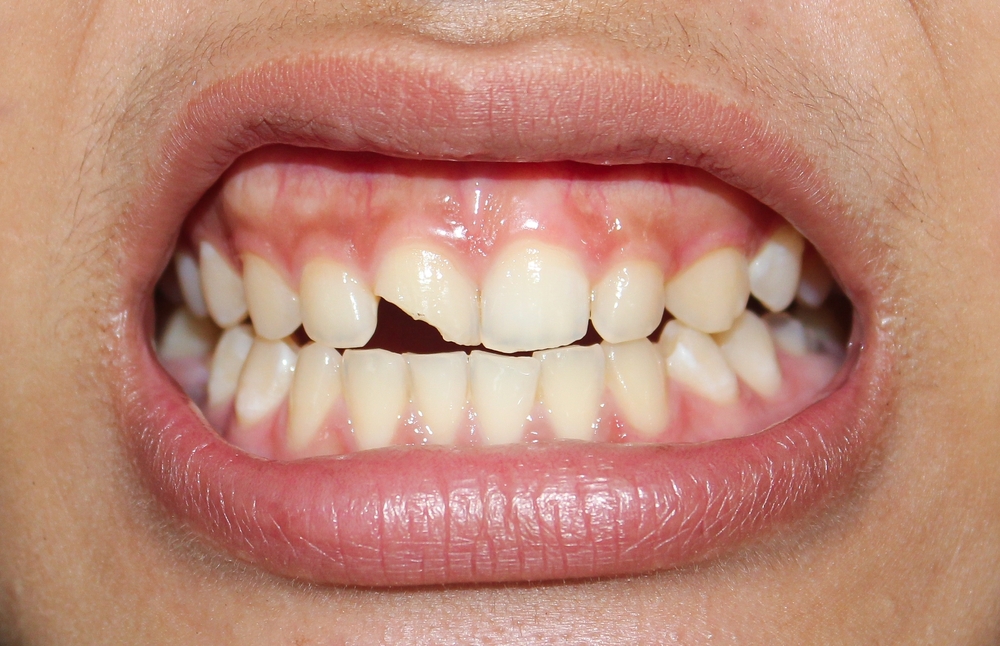


Thinking about getting a new tooth can bring up a lot of questions. If you are considering this popular treatment, the first thing on your mind is probably do dental implants hurt. It is completely normal to feel nervous about dental surgery. No one likes the idea of being in pain, and the thought of having a titanium post placed in your jawbone sounds intimidating.
The truth is, the Dental Implants procedure is much easier and more comfortable than most people expect. Modern dentistry has advanced significantly, making the process smooth and manageable. At Whiteman Dental, your comfort is our top priority. We want to ease your worries by explaining exactly what happens during the surgery and what the recovery process really feels like.
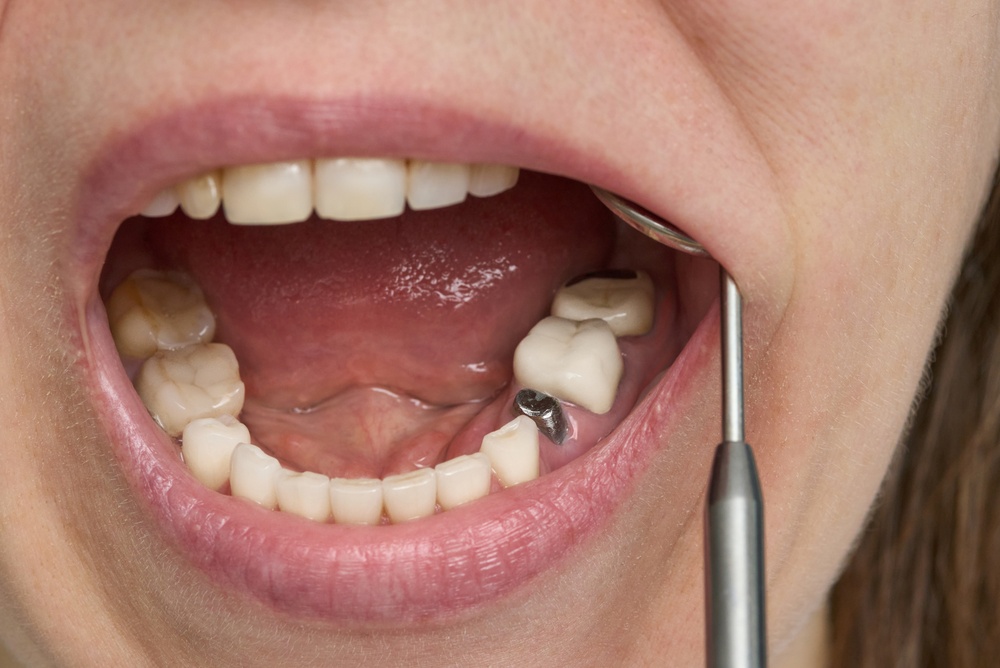
To understand why the procedure is comfortable, it helps to know what actually happens. A dental implantis a small titanium post that acts as an artificial tooth root. The dentist surgically places this post into your jawbone. Over time, the bone heals around the post, creating a strong foundation for a custom crown.
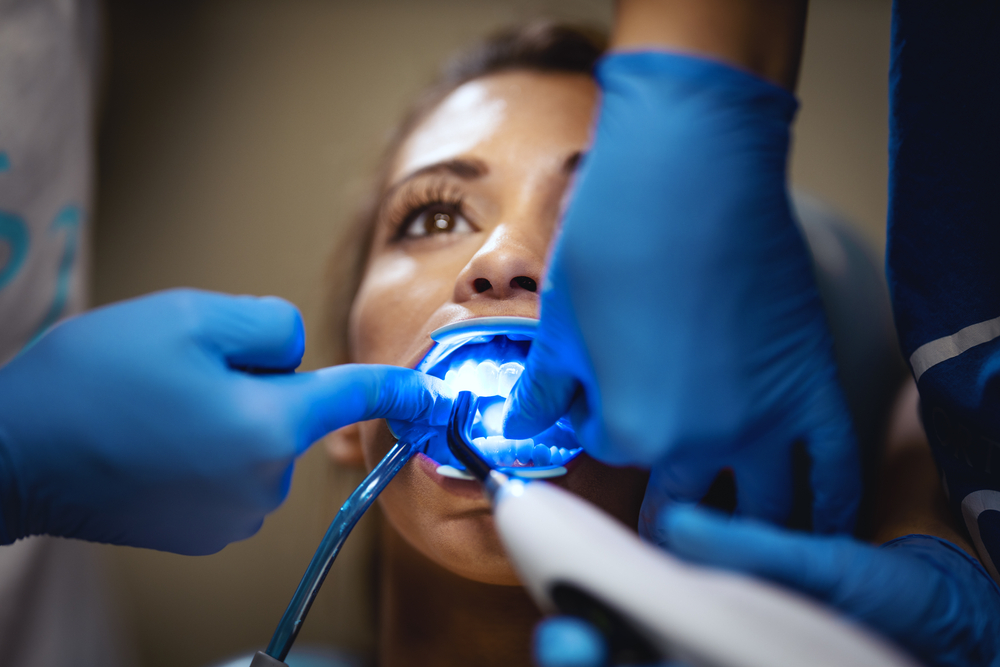
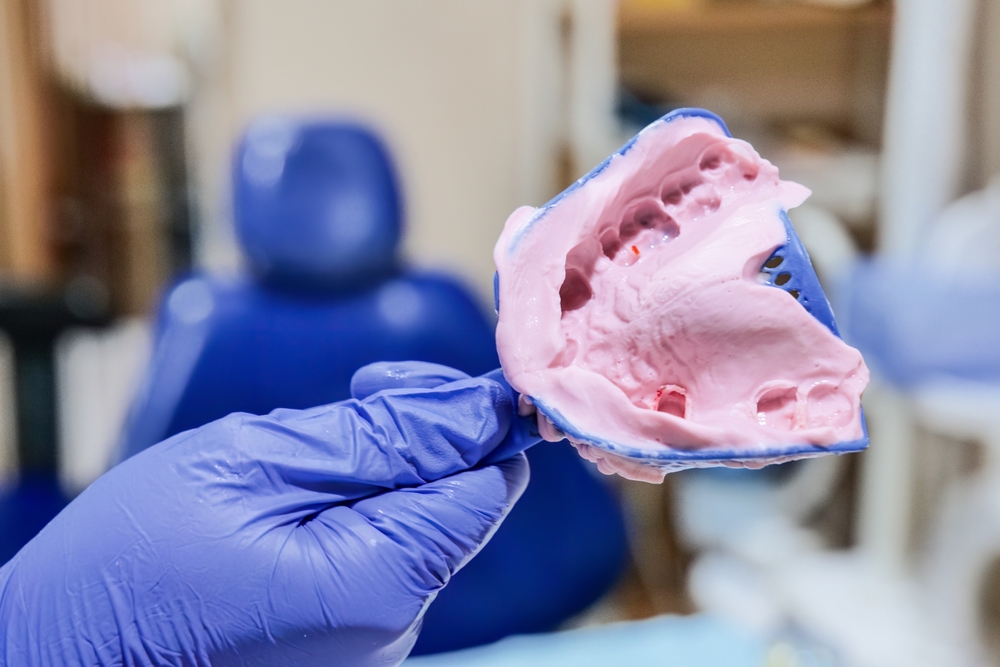
The word “surgery” sounds scary, but the process is very precise and controlled. The dentist uses advanced imaging to plan exactly where the post will go before the procedure even begins. This careful planning means the surgery is usually quick and causes very little trauma to the surrounding tissues.
So, do dental implants hurt while you are in the dentist’s chair? The short answer is no. Before the procedure begins, your dentist will use local anesthesia to completely numb the area. You will be awake, but you will not feel any sharp pain.
You might feel some pressure or vibration as the dentist works, but it should not be painful. If you are very anxious about the surgery, many dental offices offer sedation options. You can choose laughing gas to help you relax, or oral sedation to make you feel sleepy and calm. With the right anesthesia and sedation, the surgery itself is a pain-free experience.
Once the local anesthesia wears off, you will start to feel some sensation in the area. Patients often ask how bad do dental implants hurt during the first few days of recovery. Most people are surprised to find that the discomfort is quite mild.
You can expect some soreness, swelling, and perhaps a little bruising around the surgical site. This is a normal part of the healing process. The pain is usually less severe than what you might experience after having a tooth pulled. Most patients find that over-the-counter pain relievers, like ibuprofen or acetaminophen, are enough to keep them comfortable.
Knowing that the pain is mild is helpful, but you also want to know how long do dental implants hurt. The timeline for recovery is different for everyone, but the most noticeable discomfort usually peaks within the first 48 hours.
After the first two days, the soreness and swelling should start to go down. By the end of the first week, most patients feel almost back to normal. You might still feel a little tenderness if you press on the area, but it should not interfere with your daily life. If you experience severe pain that gets worse after a few days, you should contact your dentist, as this could be a sign of an infection.
The surgery is only the first part of the process. After the bone has healed around the post, you will return to the dentist to have the final crown attached. Many patients wonder do dental implants hurt after this final step.
Placing the crown is a very simple and painless process. The dentist simply attaches the custom-made tooth to the post. You do not need any anesthesia for this step. You might feel a little pressure as the crown is tightened into place, but it does not hurt. Once the crown is attached, your new tooth is ready to use.
Sometimes, people worry that having a piece of metal in their jaw will cause long-term problems. They ask do dental implants hurt forever. The answer is absolutely not. Once the healing process is complete, you should not feel the post at all.
A fully healed implant feels exactly like a natural tooth. It does not have nerves inside it like a real tooth, so it cannot feel hot, cold, or pain from decay. If you do experience pain around a healed implant months or years later, it is usually a sign of a problem with the surrounding gums, such as an infection called peri-implantitis. This requires prompt treatment from your dentist.
If you have had other dental work done, it can be helpful to compare the experiences. Many patients say that getting an implant is less painful than having a tooth extracted. When a tooth is pulled, it leaves a large, open socket that takes time to heal. The implant procedure is much more precise and leaves a smaller wound.
It is also often compared to getting a root canal. Both procedures are done under local anesthesia and involve some mild soreness afterward. If you have successfully managed a root canal or an extraction in the past, you can definitely handle this procedure.
The discomfort is usually mild, and there are several things you can do to make your recovery even smoother.
These tips and tricks should help you to be as pain free as possible following your dental implant treatment.
The skill of your dentist plays a huge role in how comfortable your procedure will be. An experienced dentist knows how to plan the surgery carefully and execute it with precision. This minimizes trauma to your gums and bone, which directly translates to less pain and a faster recovery.
When choosing a provider, look for someone who has extensive training in implant dentistry. Do not be afraid to ask questions about their experience, the technology they use, and their approach to patient comfort. A good dentist will be happy to discuss these details and put your mind at ease.
If the fear of pain is keeping you from getting the treatment you need, it is important to address your anxiety. Dental anxiety is very common, and modern dental offices are well-equipped to help you manage it.
Talk to your dentist about your fears. They can explain the procedure in detail, which often helps demystify the process. They can also discuss sedation options that can make the experience completely stress-free. Remember, you are in control of your care, and your dentist is there to support you.
Choosing the right dentist is the most important step in a comfortable and successful procedure. At Whiteman Dental, our team has extensive experience in restorative dentistry. We use the latest technology to plan your surgery with precision, minimizing trauma and speeding up your recovery.
We also understand that dental anxiety is real. We take the time to listen to your concerns, explain every step of the process, and offer sedation options to keep you relaxed. Our goal is to provide you with a beautiful, functional new tooth in the most comfortable way possible.
If you are missing a tooth, do not let the fear of pain hold you back from getting the smile you deserve. The procedure is safe, effective, and much more comfortable than you might think.
Contact Whiteman Dental today to schedule a consultation. We will evaluate your smile, answer all your questions, and help you decide if this treatment is right for you.
No, the procedure does not hurt. Your dentist will use local anesthesia to completely numb the area before the surgery begins. You will only feel pressure, not pain.
Recovery is usually mild. You can expect some soreness and swelling for a few days, which can typically be managed with over-the-counter pain relievers and ice packs.
The most noticeable discomfort usually peaks within the first 48 hours and then gradually improves. Most patients feel back to normal within a week.
No, once the bone has healed around the post, you will not feel it at all. It will feel and function just like a natural tooth root.
Stick to soft foods like yogurt, applesauce, scrambled eggs, and lukewarm soup for the first few days. Avoid hard, crunchy, or spicy foods that could irritate the surgical site.