

Dental implants offer a reliable solution to missing teeth, restoring both function and confidence. Once placed, maintaining these implants is essential for long-term success. Dental implant maintenance involves more than simply regular brushing; it requires deliberate care habits and professional attention. Many people underestimate how crucial proper upkeep is for preventing complications and preserving the investment in their smile. This article sheds light on effective dental implant maintenance tips that support implant longevity and oral health. Understanding how to clean dental implants and what to watch for can make a significant difference in outcomes.
The placement of a dental implant is only the beginning of the journey. Implants, while durable, are not immune to the challenges posed by bacteria, gum disease, or mechanical wear. The surrounding gum tissues and bone need ongoing care to maintain the implant’s stability and function. Neglecting maintenance can result in discomfort, infections, or even implant failure. Patients who adopt a proactive approach to dental implant maintenance enjoy a higher success rate and can keep their implants looking and feeling natural for many years.
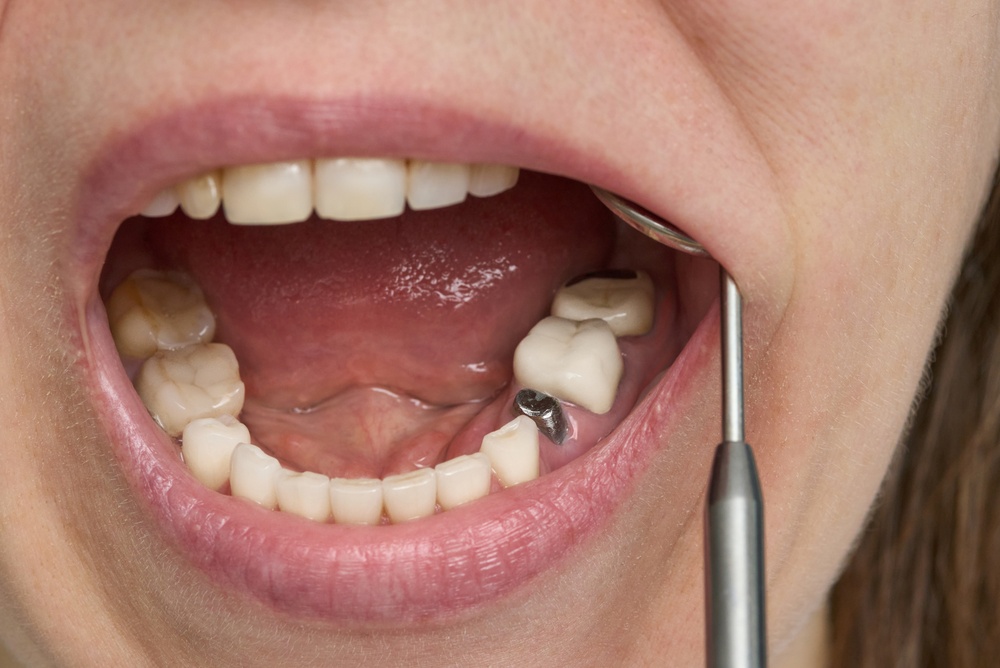
Dental implant maintenance refers to the ongoing care routine and professional check-ups needed to keep implants healthy and functional. Implants fuse with the jawbone, a process called osseointegration, which provides a sturdy foundation. Despite this integration, the tissues around implants require protection from infection and damage. The gums can still develop inflammation, and bone loss is possible if plaque accumulates unchecked.
Neglecting maintenance can lead to peri-implantitis, a condition similar to gum disease that threatens implant stability and may cause implant failure if untreated. Proper maintenance blends daily hygiene with periodic dental visits to monitor implant health, making it a continuous commitment rather than a one-time treatment.
Patients must understand that dental implant maintenance is not identical to caring for natural teeth.
Implants do not have a periodontal ligament, which natural teeth use to sense pressure and protect themselves. This means that implants can be more vulnerable to excessive forces or infections. Maintaining healthy gums and bone around implants involves specific hygiene practices and regular professional evaluations to detect early signs of trouble and address them promptly.
Good habits form the foundation of implant care. Here are several dental implant maintenance tips that patients often overlook but should embrace:
These actions contribute to healthy gums and strong bone support, minimizing the risk of complications. Patients who adopt these habits tend to experience fewer issues with their implants and maintain better oral health overall.
Knowing how to take care of implants goes beyond brushing teeth. Implants require attention to the little details that protect their structure and the surrounding tissues. Brushing twice a day with gentle circular motions focusing on the gum line around implants removes biofilm without causing trauma to the delicate tissues. Using antibacterial mouthwash reduces bacteria that cause gum inflammation, with rinses containing chlorhexidine or essential oils being beneficial when used as directed.
Cleaning beneath the implant crown with specialized tools like water flossers or proxy brushes helps reach areas that traditional floss may miss. Monitoring for any discomfort, redness, or swelling near the implant area and reporting changes promptly allows early detection of issues before they become serious.
Proper oral hygiene with these methods helps maintain the balance of oral flora and prevent plaque accumulation. Many patients find that using a water flosser daily enhances comfort and effectiveness in cleaning around implants. Choosing the right tools and techniques personalised for implants is key to preserving their condition.
Alongside home care, professional dental implant care and maintenance plays a crucial role. Dentists and hygienists at Whiteman Dental Associates conduct thorough evaluations during visits. This includes assessing implant stability and gum health by checking for mobility, probing depths, and signs of inflammation. They remove hardened plaque deposits that cannot be eliminated by home brushing, take X-rays to check bone levels around implants, and advise on any adjustments needed to bite or prosthetics to prevent undue implant stress.
These appointments provide an opportunity to catch issues early, preserving implant function over time. Regular professional care complements daily home maintenance and reinforces overall oral health. At Whiteman Dental Associates, the dental team works closely with patients to tailor maintenance schedules and techniques to individual needs.
Cost is often a concern with implants beyond the initial procedure. Dental implant maintenance cost remains relatively modest compared to replacement surgeries or treating infections. Routine cleanings and check-ups are typically covered by dental insurance or come at a reasonable out-of-pocket price. Investing in maintenance reduces the chance of costly complications that can arise from neglect.
Patients should factor in regular hygiene visits every three to six months, occasional professional cleanings targeting implants specifically using instruments safe for implant surfaces, and possible minor repairs or adjustments over the years such as crown refinements or replacement of worn components.
The overall cost of dental implant maintenance is a practical approach to protecting both oral health and financial investment. Skipping maintenance can lead to more expensive treatments, including peri-implantitis therapy or even implant replacement. Many patients find that budgeting for regular visits is a cost-effective way to maintain their smile’s function and appearance.
Cleaning dental implants requires specific techniques to avoid damaging the implant surface or irritating the gums. The right tools include soft manual or electric toothbrushes with non-abrasive bristles, interdental brushes designed for implant spaces, and antimicrobial rinses prescribed by your dentist. Metal instruments should be avoided at home as they can scratch implants and create surfaces that harbor bacteria.
Mastering how to clean dental implants properly prevents plaque buildup and supports gum healing. Patients may benefit from demonstrations and personalized instructions from their dental hygienist to perfect their cleaning technique. Consistency and attention to detail during daily cleaning routines significantly impact implant longevity.
Knowing how to get help with dental implants means recognizing signs that professional care is needed. Patients should contact Whiteman Dental Associates if they experience persistent pain or discomfort around the implant, swelling or bleeding gums near the implant site, loosening or movement of the implant crown, or changes in bite and difficulty chewing. Any of these symptoms warrants prompt professional assessment.
Early intervention improves treatment outcomes and protects implant longevity. Ignoring symptoms can lead to more complex problems requiring extensive treatment. Whiteman Dental Associates encourages patients to report any concerns promptly to maintain optimal implant health.
Maintaining dental implants involves a combination of daily habits and professional care. Here is what we recommend:
Implementing these practices creates a healthy environment for implants and surrounding tissues, supporting long-term success. Consistency in care routines coupled with professional oversight forms the foundation of lasting implant health. Patients who follow these recommendations typically enjoy better outcomes and confidence in their smile.
Proper dental implant maintenance transforms dental implants into lasting investments in oral health and quality of life. With consistent care and regular professional support from Whiteman Dental Associates, patients can enjoy the benefits of their implants for many years. Taking responsibility for implant upkeep today prevents future difficulties and preserves a confident smile.
Contact Whiteman Dental today to schedule your next appointment and keep your dental implants in top condition.
Dental implant maintenance should occur during routine dental visits, typically every three to six months, depending on individual needs and risk factors. Regular professional cleanings combined with daily home care promote implant health. Patients with a history of periodontal disease or other risk factors may require more frequent visits to maintain optimal outcomes.
Daily care includes gentle brushing with a soft toothbrush, flossing with implant-specific tools, using antimicrobial mouthwash, avoiding hard foods, and quitting smoking to reduce implant complications. Consistency in these habits plays a vital role in preventing peri-implant diseases and preserving the implant’s function.
While some costs are involved in ongoing maintenance, they are usually reasonable and far less expensive than dealing with implant failure or replacement. Insurance may cover many maintenance procedures, making upkeep affordable for most patients. Investing in maintenance is a cost-effective strategy to avoid expensive corrective treatments.
Use soft-bristled brushes, avoid abrasive toothpaste, rely on specialized floss or interdental brushes, and follow your dentist’s recommendations for antimicrobial rinses to keep implants clean safely. Proper technique minimizes gum irritation and protects the implant surface from scratches or wear.
Seek dental care if you notice pain, swelling, bleeding, implant loosening, or chewing difficulties around the implant. Early treatment prevents serious complications and preserves implant function. Prompt attention to these symptoms enhances the likelihood of successful intervention and maintains overall oral health.