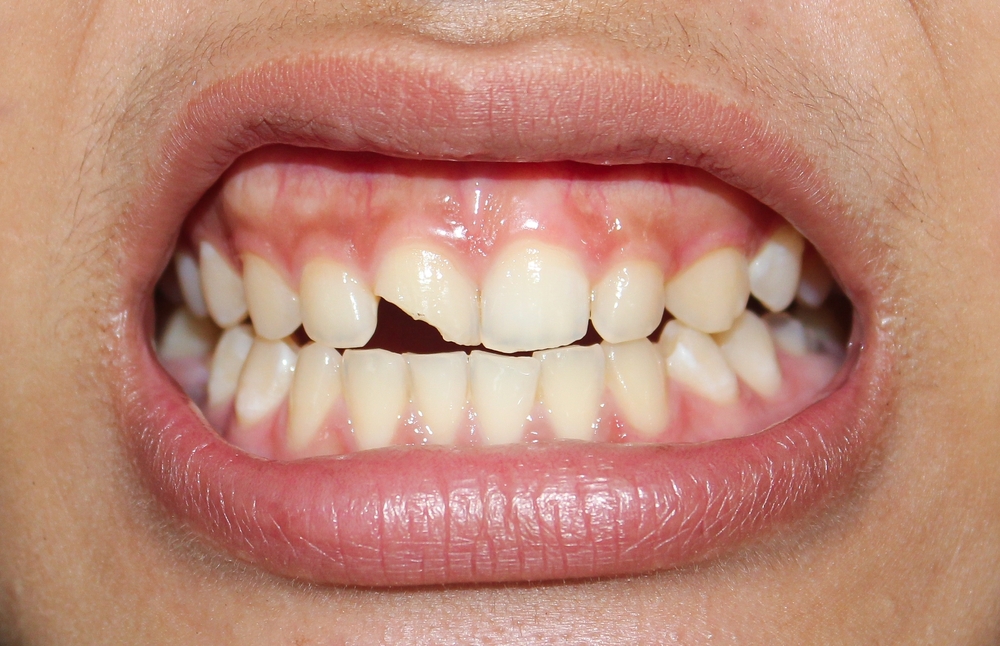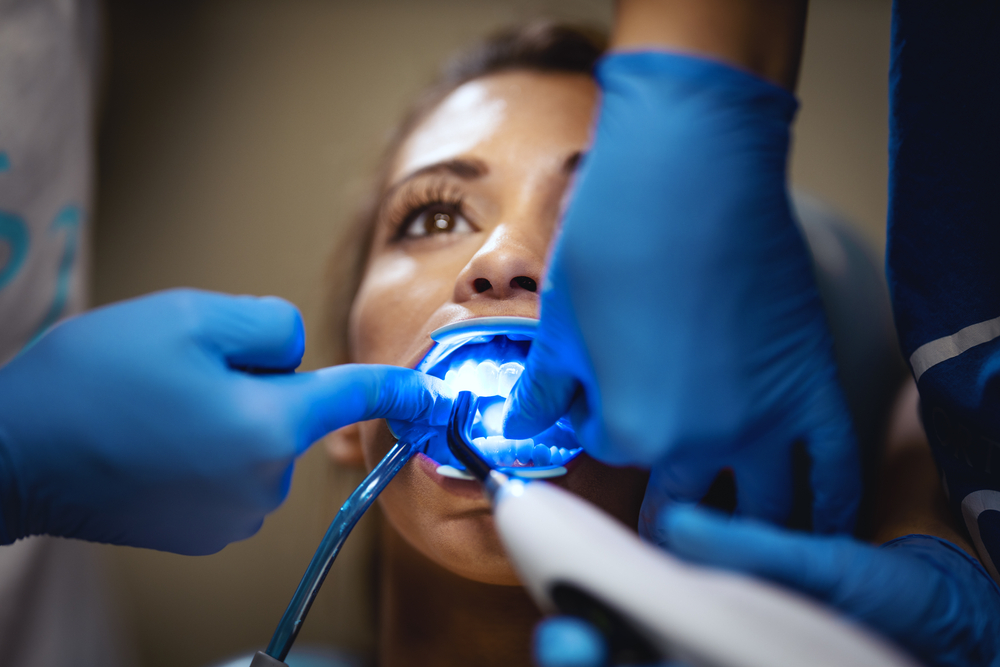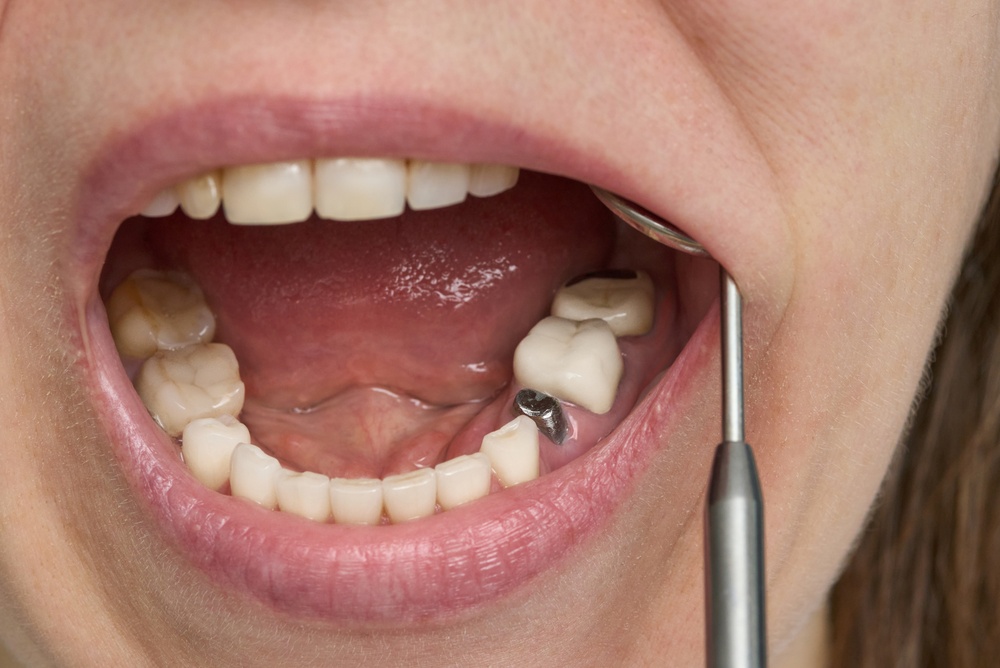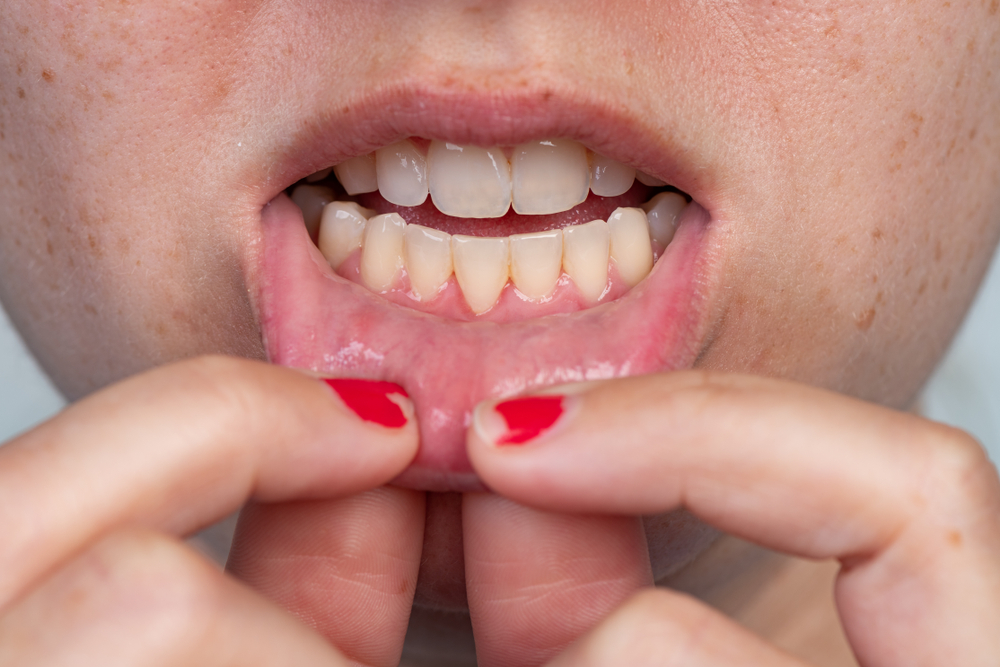


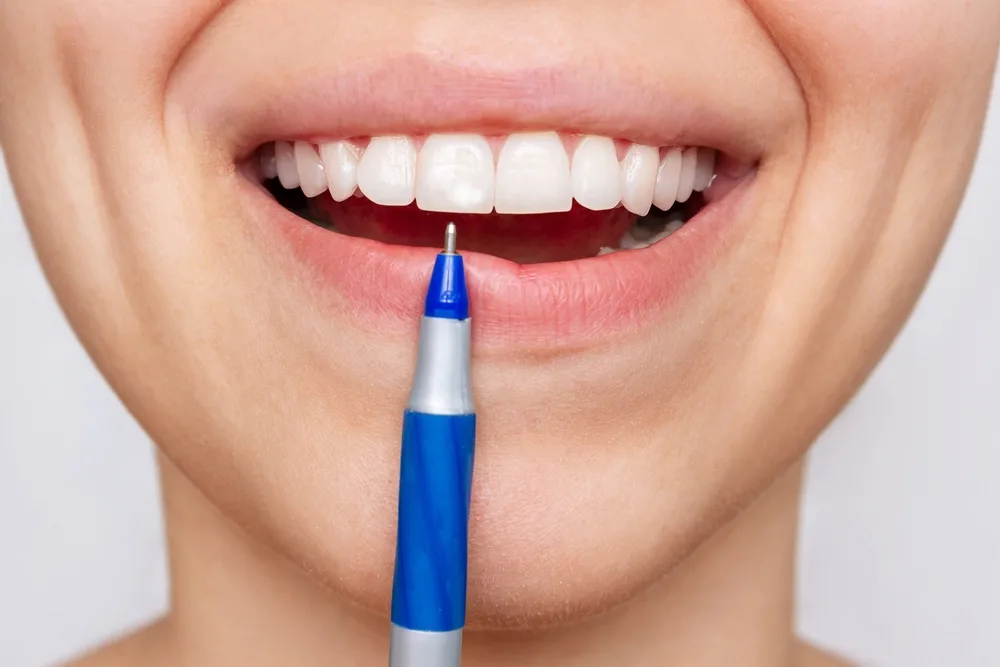
Looking in the mirror and noticing a change in your smile can be concerning. If you have recently spotted a chalky or bright mark on your enamel, you are probably wondering what to do about a white spot on tooth surfaces. These spots are very common and can happen to anyone, from young children to adults. They are usually not a dental emergency, but they are a sign that something is changing in your mouth.
At Whiteman Dental, we believe that understanding your oral health is the first step to protecting it. A white mark on your enamel is often an early warning sign, but it is one that we can easily address. Let us explore what causes these spots, what they mean, and the best ways to treat them so you can keep your smile looking its best.
Before you can treat the problem, you need to know exactly what you are dealing with. So, what is the white spot on my tooth? In most cases, it is an area of decalcification. This means that the hard minerals in your enamel, like calcium and phosphorus, are starting to break down.
When the enamel loses these minerals, it changes how light reflects off the tooth, making that specific area look chalky and opaque compared to the rest of the tooth. This process is often the very first stage of tooth decay. If the mineral loss continues, the enamel will eventually weaken enough to form a cavity. Catching it at this early, chalky stage is crucial because the damage can often be stopped or even reversed.
Understanding the cause is key to preventing more spots from forming. Many patients ask, why do i have a white spot on my tooth? The most common culprit is poor oral hygiene. When plaque (a sticky film of bacteria) is allowed to sit on the teeth, the bacteria feed on sugars from your food and produce acids. These acids attack the enamel and strip away its minerals.
This is why these spots are very common in people who wear braces. It is difficult to clean properly around the brackets and wires, allowing plaque to build up and cause decalcification. Another common cause is a diet high in sugary or acidic foods and drinks, like soda or sports drinks, which constantly bathe the teeth in acid.
If you have good brushing habits, you might still wonder why is there a white spot on my tooth. Sometimes, the cause is not related to plaque or decay at all. A condition called fluorosis can cause bright white streaks or spots on the enamel.
Fluorosis happens when a child consumes too much fluoride while their adult teeth are still developing under the gums. This is usually a cosmetic issue and does not mean the tooth is weak or unhealthy. Another possible cause is enamel hypoplasia, a condition where the enamel does not form properly during childhood, often due to illness, poor nutrition, or certain medications. These spots are usually present as soon as the adult tooth erupts.
When you notice a change in your enamel, it is natural to worry about the implications. What does a white spot on your tooth mean for your overall dental health? If the spot is caused by decalcification (early decay), it means your enamel is under attack and needs immediate attention.
It is a clear signal that your current oral hygiene routine or diet needs an adjustment. If you ignore this warning sign, the spot will likely turn into a full-blown cavity that requires a filling. If the spot is due to fluorosis or hypoplasia, it simply means your enamel developed differently. In these cases, the spot is harmless, though you may still want to treat it for cosmetic reasons.
Parents are often very observant of their children’s developing smiles. Finding a white spot on toddler tooth enamel can be alarming. In young children, these spots are almost always the first sign of early childhood caries, also known as baby bottle tooth decay.
This happens when a toddler’s teeth are frequently exposed to sugary liquids, such as milk, formula, or juice, especially if they fall asleep with a bottle. The sugars pool around the teeth, feeding bacteria and causing rapid mineral loss. If you see a chalky mark on your toddler’s teeth, it is vital to schedule a dental visit right away. Early intervention can save the baby tooth and prevent pain or infection.
Sometimes, the issue is not on the tooth itself. You might notice a white spot on gum above tooth. This is a different problem entirely and should never be ignored. A white bump or pimple on the gums is often a sign of a dental abscess.
An abscess is a pocket of pus caused by a bacterial infection, usually resulting from a severe cavity that has reached the nerve of the tooth, or from advanced gum disease. This is a serious condition that requires immediate dental treatment, such as a root canal or extraction, to stop the infection from spreading. Other causes for a white spot on the gums could include a canker sore or, less commonly, oral thrush.
If the mark is caused by early decay, you are probably eager to know how to get rid of white spot on tooth surfaces. The most effective treatment is remineralization. This process restores the lost minerals to the enamel, hardening the tooth and often fading the chalky appearance.
Your dentist can apply a professional, high-concentration fluoride varnish or gel to the affected area. They may also recommend a prescription-strength fluoride toothpaste for you to use at home. Improving your daily brushing and flossing routine, and cutting back on sugary snacks, are essential steps to support the remineralization process and prevent new spots from forming.
If the spots are caused by fluorosis or hypoplasia, remineralization will not change their appearance. In these cases, you will need cosmetic treatments to get rid of the white spot on tooth enamel.
One popular option is microabrasion, where the dentist gently removes a microscopic layer of enamel to blend the spot with the rest of the tooth. Teeth whitening can also help by lightening the surrounding enamel so the spot is less noticeable. For more stubborn or prominent spots, dental bonding or porcelain veneers can be used to cover the affected area completely, giving you a flawless, even smile.
The best way to deal with these spots is to prevent them from happening in the first place. Good oral hygiene is your strongest defense against decalcification and early decay.
Brush your teeth twice a day with a fluoride toothpaste and floss daily to remove plaque. If you wear braces, take extra time to clean around the brackets using special tools like interdental brushes or a water flosser. Limit sugary and acidic foods and drinks, and drink plenty of water throughout the day to help wash away bacteria and food particles.
If you have noticed a change in your enamel or your child’s teeth, do not wait to get it checked. Early detection is the key to simple, conservative treatment. At Whiteman Dental, we can identify the cause of the spot and recommend the best solution for your smile.
Our team is dedicated to providing gentle, comprehensive care for patients of all ages. Contact Whiteman Dental today to schedule an appointment. We will help you protect your enamel and keep your smile healthy and bright.
It is usually an area of decalcification, which is the very first stage of tooth decay. It means the enamel is losing essential minerals and becoming weak.
Yes, if the mineral loss continues, the weakened enamel will eventually break down and form a cavity that requires a filling.
The best treatment is remineralization using professional fluoride treatments and improving your daily oral hygiene to harden the enamel.
A white bump on the gums is often a sign of an infection or abscess. You should see a dentist immediately for an evaluation and treatment.
Yes, if the spots are caused by fluorosis or enamel hypoplasia, cosmetic treatments like microabrasion, bonding, or veneers can effectively hide them.