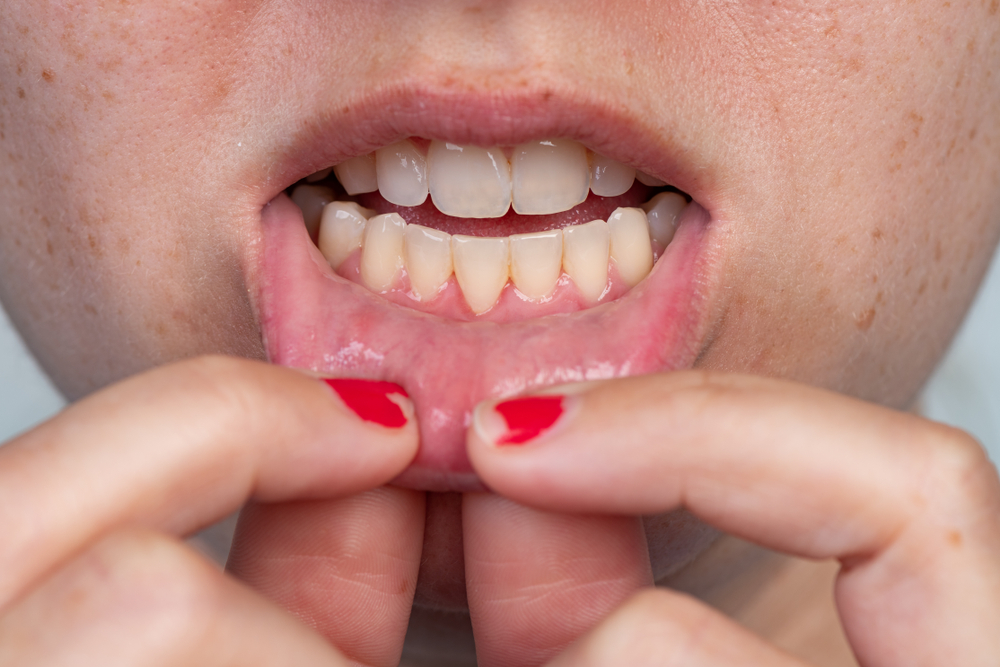


Dry mouth at night can disrupt sleep and leave you feeling uncomfortable when you wake. Many ask, why do I get dry mouth at night despite drinking enough water or maintaining good oral hygiene?
Understanding this condition reveals several causes, from natural bodily changes to lifestyle factors. Addressing dry mouth at night involves recognizing these causes and exploring various treatment options. This article sheds light on common reasons behind this nocturnal discomfort and offers insights on easing symptoms for better rest and oral health.
This condition, medically known as xerostomia, can affect anyone at any age but tends to be more prevalent among older adults. The discomfort caused by a dry mouth can extend beyond mere annoyance, leading to difficulty swallowing, speaking, and even eating certain foods. The lack of adequate saliva also increases the risk of dental problems such as cavities and gum disease, making it essential to identify the underlying causes and implement effective remedies.
During sleep, saliva production naturally decreases, as the body slows many functions to rest. Saliva plays a crucial role in keeping the mouth hydrated, aiding digestion, and protecting teeth from decay. When saliva flow lessens, the mouth’s lining can become dry and irritated. This dryness might feel minor for some but can become severe enough to cause discomfort or even affect speech and taste.
Many wonder, why do I get a dry mouth and throat at night? Often, it’s linked to decreased saliva due to natural hormonal changes, medication side effects, or breathing patterns.
Saliva is composed mostly of water but contains enzymes, mucus, and antibacterial compounds that work together to maintain oral health. It helps neutralize acids produced by bacteria, washes away food particles, and assists in remineralizing tooth enamel. When saliva production drops during sleep, these protective functions diminish, allowing bacteria to thrive and increasing the risk of oral infections.
The degree of dryness experienced can vary depending on individual factors such as hydration status, overall health, and environmental conditions. For example, sleeping in a room with dry air can exacerbate symptoms. It’s important to note that occasional dry mouth during the night is common, but persistent dryness should not be ignored.
Several factors contribute to dry mouth at night. Identifying the right cause is essential for finding effective relief. Here are some common causes:
The question why do I get really bad dry mouth at night often points to one or more of these factors acting simultaneously, especially medication use combined with mouth breathing.
Sometimes, multiple causes overlap, intensifying the symptoms. For instance, an individual taking several medications that reduce saliva flow may also suffer from nasal congestion, leading to mouth breathing and compounding dryness. Recognizing all contributing factors is critical for effective management.
Certain health conditions that affect the nervous system or salivary glands directly impact saliva production. Sjogren’s syndrome, for example, is an autoimmune disorder that attacks moisture-producing glands, including those in the mouth, resulting in chronic dryness. Diabetes can cause dehydration and nerve damage, both of which contribute to decreased saliva.
Breathing through the nose humidifies and warms air before it reaches the lungs. Mouth breathing bypasses this process, causing dryness in the mouth and throat. Conditions like allergies or a deviated septum can block nasal passages, prompting mouth breathing.
Snoring and sleep apnea also contribute to this pattern. People with sleep apnea frequently wake up with a dry throat or mouth because their breathing is interrupted, causing increased mouth breathing to compensate.
Mouth breathing exposes the delicate tissues in the mouth and throat to dry, unfiltered air. This can lead to irritation, inflammation, and even soreness. Over time, chronic mouth breathing may cause changes in oral tissues and dental malocclusions in some cases.
Addressing nasal obstruction or congestion is a key step in reducing mouth breathing. Nasal sprays, allergy medications, or corrective procedures may help open nasal airways. Breathing exercises and devices like nasal strips can also aid in promoting nasal breathing throughout the night.
Many medications interfere with saliva production by affecting the nervous system or directly impacting salivary glands. Antihistamines, used to relieve allergies, are a common culprit. Antidepressants and some heart medications may also cause this side effect. If you are unsure whether your medication causes dry mouth at night, consult your healthcare provider to discuss alternatives or adjustments.
Medications commonly linked to dry mouth include antihistamines, decongestants, antidepressants, anti-anxiety drugs, diuretics, muscle relaxants, and blood pressure medications.
The mechanism behind medication-induced dry mouth varies. Some drugs inhibit signals to salivary glands, while others reduce overall fluid volume in the body, indirectly decreasing saliva production. The severity of symptoms may depend on dosage, duration of use, and individual sensitivity.
It is important to never stop or alter prescribed medications without professional advice. Instead, discuss any concerns with your doctor or dentist, who may recommend alternatives or supplemental treatments to alleviate dry mouth symptoms.
Dehydration reduces overall fluid volume in the body, including saliva. Not drinking enough water during the day or consuming dehydrating substances like caffeine and alcohol can make dry mouth worse. Even though the body signals thirst, nighttime symptoms may persist if hydration is insufficient.
Hydration strategies should focus on consistent water intake throughout the day rather than large volumes consumed sporadically. Drinking fluids before bedtime can help, but avoiding liquids that promote dehydration, such as caffeinated or alcoholic beverages, is equally important.
Smoking and alcohol consumption reduce saliva flow and irritate oral tissues. Both habits contribute to a dry mouth and may increase the risk of gum disease and tooth decay. Adjusting these habits can significantly improve symptoms over time.
Tobacco use damages salivary glands and reduces their ability to produce saliva. Alcohol has a drying effect on the mucous membranes and can disrupt the balance of oral bacteria. Stress and anxiety may also indirectly cause dry mouth by triggering mouth breathing or activating the nervous system in ways that reduce saliva secretion.
Treating dry mouth at night starts with identifying the cause. Nighttime dryness may be linked to mouth breathing, medication side effects, dehydration, dry indoor air, caffeine, alcohol, or tobacco use.
A humidifier can add moisture to dry bedroom air, which may soothe the mouth and throat during sleep. Sipping water before bed and keeping water nearby can also help manage overnight dryness.
Mouth breathing can make nighttime dryness worse. Practising nasal breathing may help, but ongoing nasal congestion may need support from an ENT specialist.
Avoiding caffeine, alcohol, and tobacco in the evening can reduce their drying effects. Chewing sugar-free gum or using sugar-free lozenges may help stimulate saliva. Products containing xylitol may also support cavity protection.
Saliva substitutes, including sprays, gels, and rinses, can provide temporary relief by mimicking natural saliva. Whiteman Dental Associates can recommend suitable options based on individual needs.
There is no single miracle cure for dry mouth at night, but combining the right strategies can improve comfort. Brushing with fluoride toothpaste, flossing daily, and regular dental checkups help reduce the risk of tooth decay and gum disease.
Whiteman Dental Associates can recommend suitable options based on individual needs.
Dry throat at night frequently accompanies dry mouth and results from the same causes. Keeping the throat hydrated involves similar measures such as controlling breathing patterns and hydration. Sleeping with the head slightly elevated may also reduce postnasal drip and throat irritation.
A dry throat can cause coughing, hoarseness, or the need to clear the throat during the night. Using throat sprays or gargling with salt water before bed may provide temporary relief.
Environmental factors like air quality and allergens can worsen throat dryness. Using air purifiers and avoiding irritants in the bedroom can create a more comfortable sleeping environment.
In some cases, treating underlying sinus issues or allergies can dramatically improve both dry mouth and dry throat symptoms.
If dry mouth at night persists despite home care, it may signal underlying issues requiring professional attention. Whiteman Dental Associates can evaluate oral health and suggest treatments to protect teeth and gums from dryness-related damage. Physicians can assess medical causes and review medications that contribute to dry mouth symptoms.
Persistent dry mouth may increase the risk of complications such as oral infections, cavities, and difficulty wearing dentures. A dental professional can provide a thorough examination, recommend diagnostic tests if necessary, and create a personalized treatment plan.
Medical evaluation is important when dry mouth is accompanied by other symptoms such as persistent thirst, fatigue, or unexplained weight loss, as these may indicate systemic conditions.
Understanding why do I get dry mouth at night opens the door to relief and healthier nights. By identifying causes and adopting practical treatments, discomfort can be minimized. Whiteman Dental is ready to help with personalized care focused on oral health and comfort. Contact Whiteman Dental Associates today to discuss your dry mouth symptoms and review treatment options that fit your needs.
Managing dry mouth involves a multifaceted approach that includes lifestyle adjustments, medical consultation, and professional dental care. Taking control of this condition can improve sleep quality, oral health, and overall well-being.
Drinking water helps but may not be enough if other factors like medication, breathing patterns, or medical conditions reduce saliva flow. Persistent dryness may require professional evaluation.
Yes, reduced saliva increases the risk of tooth decay, gum disease, and bad breath because saliva protects teeth and cleans the mouth.
No single cure exists, but combining hydration, lifestyle changes, and possibly saliva substitutes can offer significant relief.
Saliva production decreases naturally during sleep. Mouth breathing or medications can worsen dryness at night compared to daytime when saliva flow is higher.
Whiteman Dental can assess your oral health, suggest treatments to protect teeth, and recommend products or lifestyle changes to reduce dry mouth symptoms.