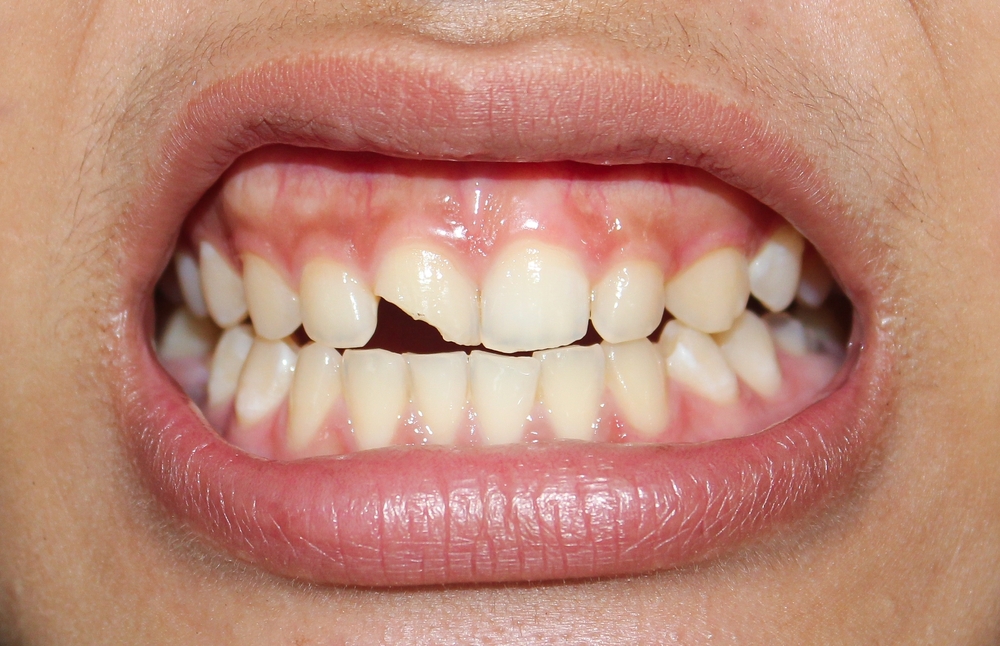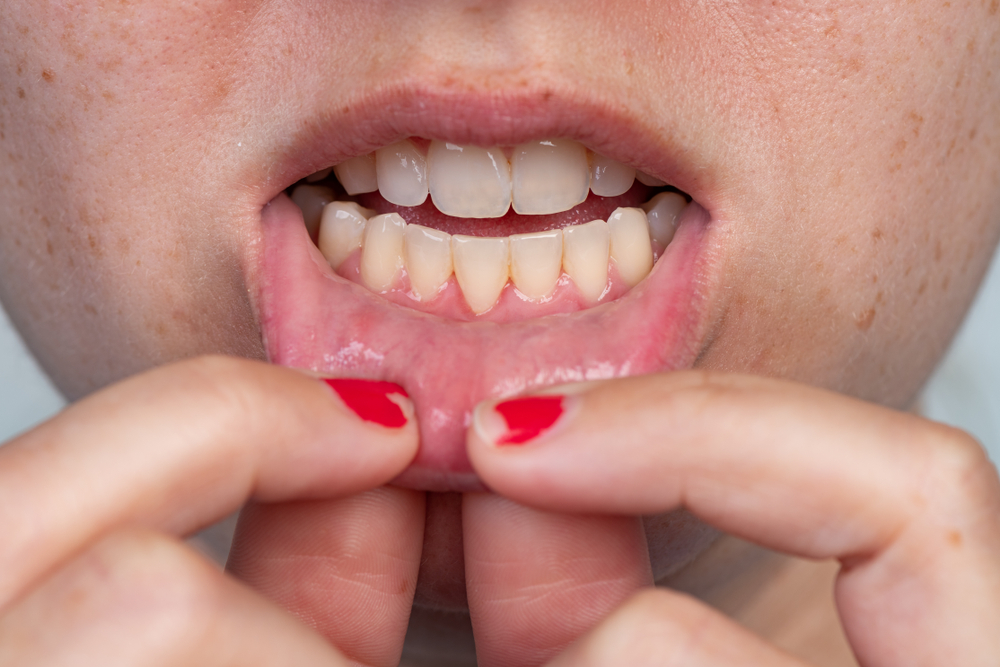


Noticing a crack in your tooth can be alarming, especially when there is no obvious explanation for it. You have not bitten down on anything particularly hard, you have not had any accidents, and yet there it is. A crack, a chip, or a piece that has broken away entirely. The question most patients ask is the same: why are my teeth cracking all of a sudden?
The truth is that sudden-seeming cracks are rarely truly sudden. In most cases, the damage has been building over months or even years before it becomes visible or noticeable. Teeth are remarkably strong, but they are not indestructible. Repeated stress, gradual wear, underlying decay, and habits you may not even be aware of can all weaken tooth structure until a crack finally appears. Understanding what is behind the problem is the first step toward protecting your smile and preventing further damage.
At Whiteman Dental Associates, Broken, Chipped & Cracked Teeth Repairs are among the most common treatments the team provides. This guide covers the most likely causes of sudden cracking, what happens if cracks are left untreated, and what your options are for repair.
Several different factors can cause teeth to crack, and in many cases more than one is at play at the same time. Bruxism, or teeth grinding, is one of the most frequent culprits. Many people grind their teeth during sleep without realising it, and the pressure this places on teeth over time is significant. If you wake up with jaw soreness, headaches, or tooth sensitivity, grinding may be contributing to why are my teeth cracking all of a sudden.
Age-related enamel wear is another common factor. As enamel thins over the years, teeth become more brittle and less able to absorb the forces of everyday chewing. This is why cracking becomes more common in adults over 40, even in people with otherwise good oral health.
Sudden trauma from biting down on something unexpectedly hard, such as a popcorn kernel, an olive pit, or a piece of ice, can cause an immediate fracture. Temperature extremes also play a role. Rapidly alternating between very hot and very cold food or drink causes enamel to expand and contract repeatedly, creating microscopic cracks that worsen over time.
Dental decay weakens tooth structure from the inside out, making a tooth far more vulnerable to fracture than it would otherwise be. Old or large fillings can have the same effect, as the remaining natural tooth structure around a large restoration is often thinner and more prone to cracking under pressure.
If you find yourself asking why do my teeth keep breaking rather than experiencing a single isolated incident, the pattern itself is informative. Repeated cracking or chipping usually points to a systemic issue rather than a one-off event.
Bite misalignment is a common cause of repeated breakage. When teeth do not meet evenly, some teeth absorb far more force than they should during chewing. Over time, those overloaded teeth develop cracks and chips at a much higher rate than properly aligned teeth. This is something a dentist can identify and address.
Nutritional deficiencies, particularly in calcium and vitamin D, can reduce the density and strength of teeth over time. Acid erosion from diet or acid reflux gradually strips enamel, leaving teeth thinner and more fragile. Dry mouth, whether caused by medication or a medical condition, reduces the protective effect of saliva and can accelerate enamel wear.
Why do my teeth keep chipping and breaking is a question that deserves a thorough dental evaluation rather than a guess. The pattern of where and how teeth are cracking tells a dentist a great deal about the underlying cause.
When pieces of a tooth break away rather than simply cracking, it usually indicates that the tooth structure has been significantly compromised. Why do pieces of my teeth keep breaking off is a question that points to either advanced decay, a large existing restoration that has weakened the surrounding tooth, or a crack that has been present for some time and has finally propagated far enough to cause a fragment to separate.
The enamel is the hardest substance in the human body, but it becomes brittle when it is thin, damaged, or undermined by decay. Once a crack reaches a certain depth, normal chewing forces are enough to cause a piece to break away. This can happen without pain if the crack does not yet involve the nerve, which is why patients are sometimes surprised to find a piece of tooth in their mouth without having felt anything.
Ignoring this kind of damage is not advisable. A tooth that has lost a piece is structurally weaker than before, and further breakage is likely without treatment.
Back teeth, particularly molars and premolars, bear the majority of chewing forces. This is why why do my back teeth keep breaking is one of the most common questions dentists hear. The forces involved in grinding and crushing food at the back of the mouth are far greater than those at the front, and back teeth are therefore under considerably more stress.
Large fillings are particularly common in back teeth, and as these fillings age, the remaining tooth structure around them can become thin and fragile. Cracks often develop along the margins of old restorations, particularly amalgam fillings, which expand and contract with temperature changes and can wedge cracks open over time.
Grinding and clenching, which tend to concentrate force on the back teeth, accelerate this process. If you have been told you grind your teeth, or if you notice that your back teeth seem to be deteriorating faster than your front teeth, a custom night guard and a dental assessment are both worth pursuing.
The right treatment for a cracked or broken tooth depends on the extent and location of the damage. Whiteman Dental Associates offers a full range of broken, chipped, and cracked tooth repairs personalised to each patient’s situation.
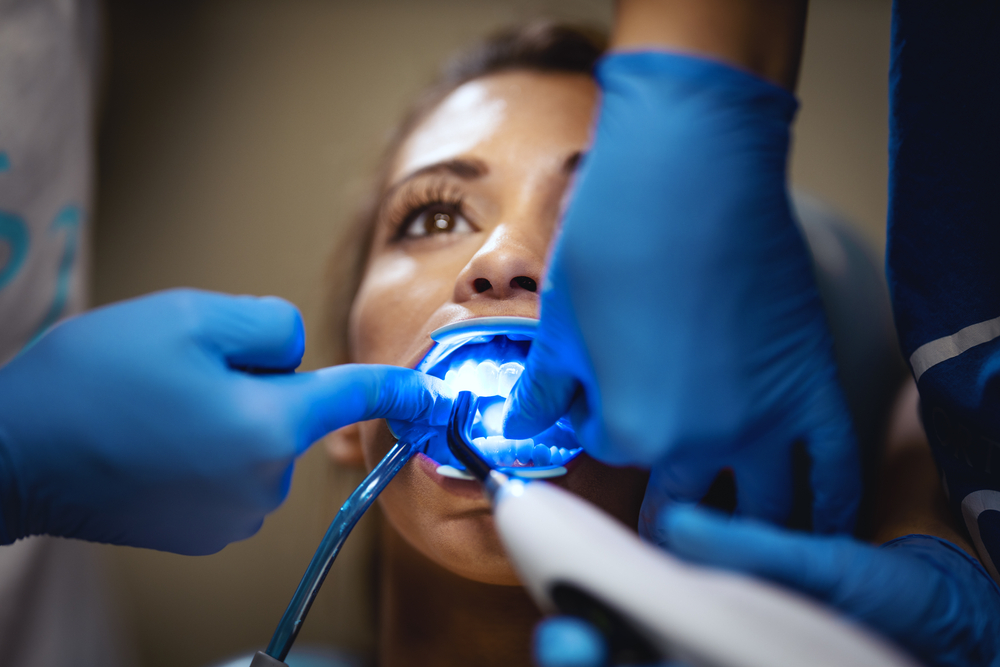
For minor chips and surface cracks, dental bonding is often the most straightforward solution. A tooth-coloured resin is applied to the affected area, shaped, and hardened, restoring both the appearance and the function of the tooth with minimal intervention.
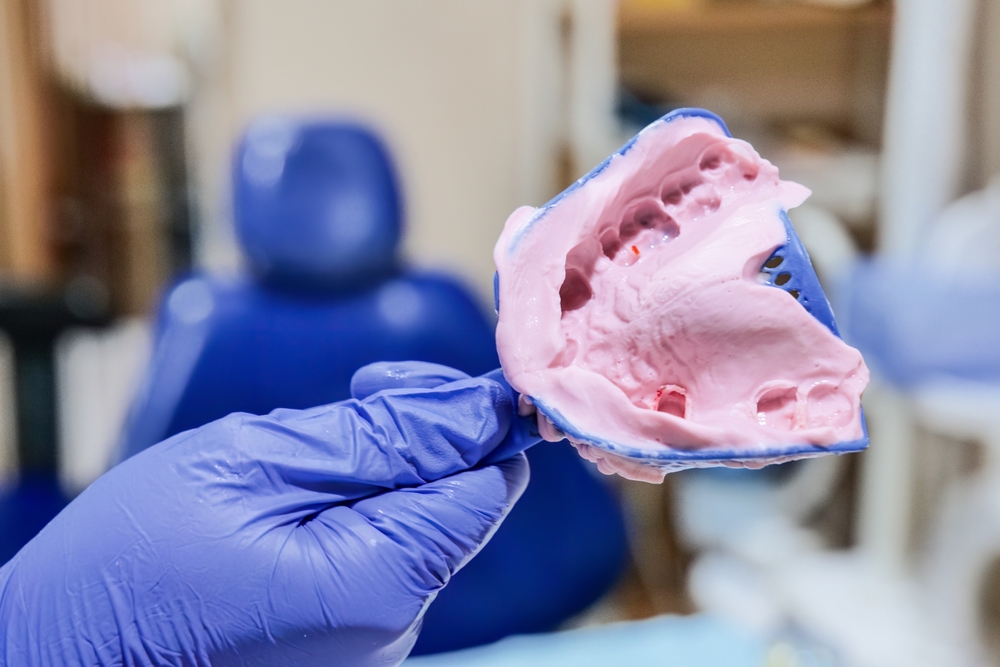
For more significant cracks or teeth that have lost a substantial piece, a dental crown is usually the recommended treatment. A crown covers the entire visible portion of the tooth, distributing chewing forces evenly and protecting the remaining structure from further damage. Crowns are particularly important for back teeth that have cracked around existing fillings.
When a crack extends into the pulp of the tooth, causing pain or infection, root canal treatment is needed before the tooth can be restored. This removes the damaged tissue from inside the tooth, allowing it to be sealed and crowned. Root canal treatment has an undeserved reputation for being painful; in reality, it relieves pain rather than causing it.
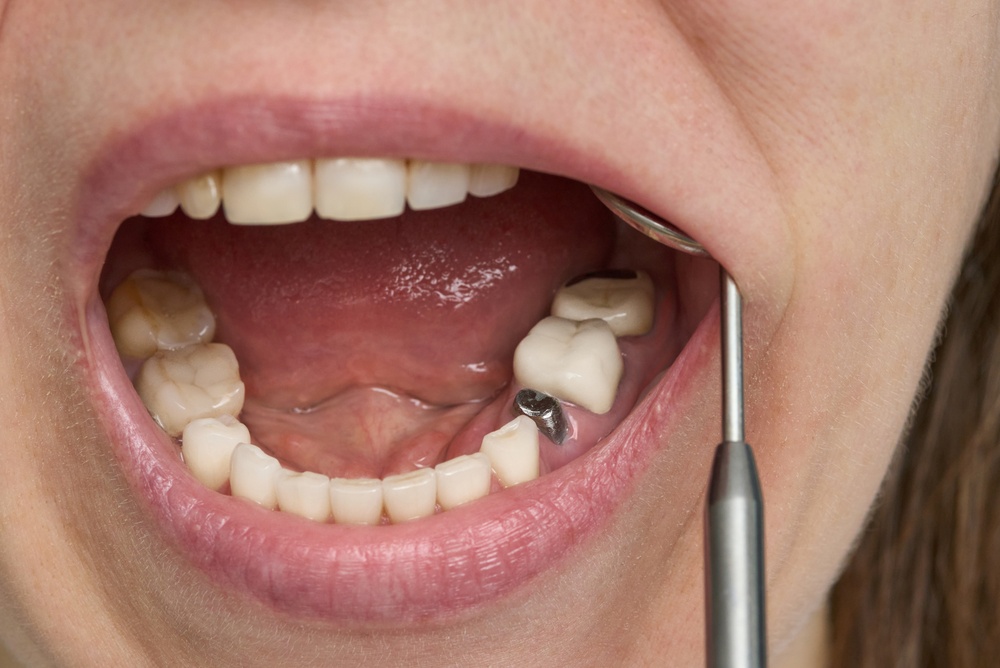
For front teeth with minor cosmetic damage, veneers offer a durable and aesthetically pleasing option. In cases where a tooth is too severely damaged to be saved, extraction followed by a dental implant provides a long-term replacement that looks and functions like a natural tooth.
Once you understand why are my teeth cracking all of a sudden, taking steps to prevent further damage becomes straightforward. The most important protective measures are:
These habits, combined with prompt treatment when cracks do appear, give teeth the best possible chance of remaining strong and intact for the long term.
If you have noticed cracking, chipping, or pieces breaking away from your teeth, book an appointment at Whiteman Dental Associates. The team will identify the cause, assess the extent of the damage, and recommend the most appropriate treatment from their full range of broken, chipped, and cracked tooth repairs. The sooner a crack is treated, the simpler and less costly the repair tends to be.
Early cracks often do not cause pain because they have not yet reached the nerve inside the tooth. This is actually one of the reasons they can go unnoticed for a long time. Regular dental check-ups can identify cracks before they become painful or cause more serious damage.
Good oral hygiene is important, but it does not protect against all causes of cracking. Teeth grinding, bite misalignment, old fillings, and age-related enamel wear can all cause why do my teeth keep breaking even in people who brush and floss diligently. A dental assessment can identify the specific cause in your case.
Most cracked teeth can be repaired. The treatment depends on the severity of the crack, but options include bonding, crowns, and root canal treatment. Extraction is only necessary when a crack extends below the gum line or when the tooth cannot be structurally restored.
Back teeth absorb the majority of chewing and grinding forces, making them more vulnerable to cracking. Large fillings, bite misalignment, and bruxism all tend to affect back teeth more severely. This is why do my back teeth keep breaking at a higher rate than front teeth for many patients.
As soon as possible. A tooth that has lost a piece is structurally compromised and at risk of further damage. Prompt treatment at Whiteman Dental Associates can often save the tooth and prevent the need for more extensive intervention.