

You’ve booked a dentist appointment, but you’re not quite sure what happens once you’re in the chair. Will we clean your teeth? Take X-rays? Tell you that you need more treatment? If you’ve been wondering what a dental checkup is, the answer is simple: it’s a visit to check the health of your teeth, gums, and mouth, and to spot problems early.
You don’t have to wait for a toothache to book one. Many dental problems start with few signs, so regular exams help us find changes before they become harder to treat.
At Whiteman Dental Associates, we take time to get to know you and explain what we find. You’ll have a chance to talk about your dental history, ask questions, and make choices about your care without feeling rushed. This guide walks you through a typical visit, including X-rays, gum checks, cleaning, and what happens afterward.
At a dental checkup, we examine your teeth and gums, look for changes in your mouth, and talk through any care you may need. A routine visit often includes a cleaning.
We’ll explain what we find and answer your questions.
A dental checkup is a routine exam that helps us see how healthy your mouth is. We look at each tooth, check your gums, and examine the soft parts of your mouth, including your tongue and cheeks. We also ask about pain, sensitivity, changes in your bite, and any dental work you’ve had before.
Our Dental Exams and Checkups include a careful review of your oral health and a conversation about what we find. Most visits include a standard cleaning, although some people need a different type of gum care.
An exam is helpful even when your mouth feels fine. Small cavities and early gum disease don’t always hurt, and a checkup gives us a chance to find them before they cause bigger problems.
A standard dental checkup covers more than a quick look at your teeth. We examine your whole mouth and use what we find to plan the right care. Here’s what each part of the visit involves.
We’ll begin by asking about your health, any medicines you take, and changes since your last visit. Tell us if you’ve noticed bleeding gums, a sore tooth, dry mouth, or trouble chewing. You can mention a cosmetic concern too, such as a stain or a tooth that has changed shape.
Your answers help us focus on the areas that need attention. If it’s your first visit, we’ll spend more time getting to know your dental history and what you hope to get from your care.
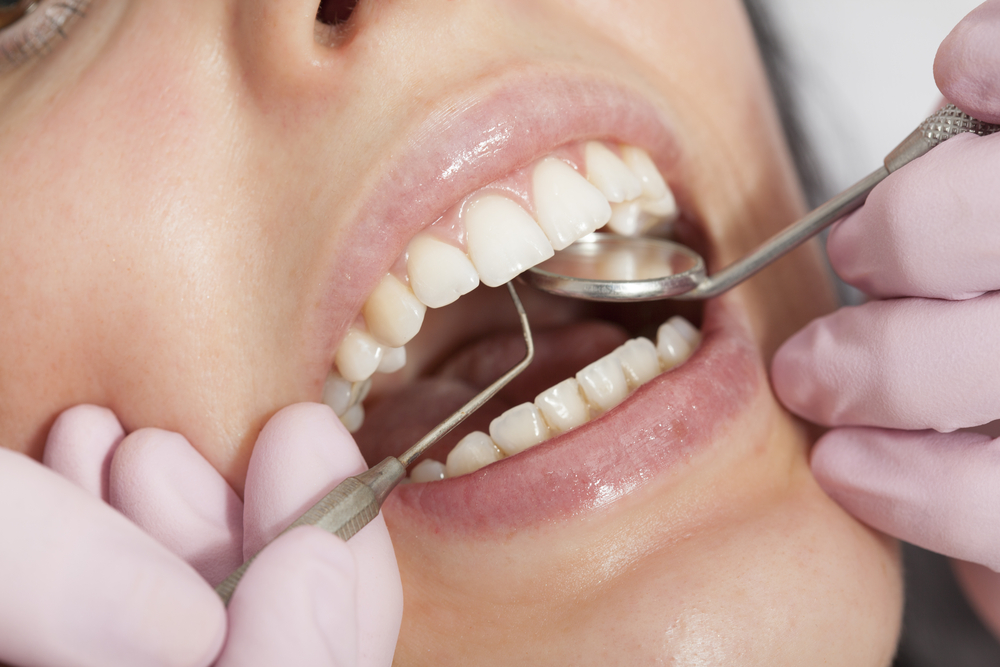
Dr. Whiteman checks your teeth for cavities, chips, cracks, and worn edges. We’ll also look at fillings, crowns, and other dental work to see how they’re holding up. If you have pain when biting, we can check how your upper and lower teeth meet.
Healthy gums help hold your teeth in place. During your dental exam, we’ll look for redness, swelling, and bleeding. We may also use a small tool to measure the space between your gums and teeth. Those measurements help us watch for signs of gum disease.
If your gums need extra care, we’ll explain the options. Some people need more than a routine cleaning to remove buildup below the gumline, and we’ll tell you why before making a plan.
We check the soft tissues inside your mouth for changes that may need attention. This includes your tongue, cheeks, gums, and the area around your throat.
Our Oral Cancer Screenings are part of routine exams. Most changes we see are not serious, but checking them gives us a chance to decide if anything needs a closer look.
X-rays help us see between teeth and below the gums, where an ordinary exam can’t show everything. We may recommend them to check for hidden cavities, bone changes, or a problem near a tooth root. We don’t take them at every visit without a reason.
Your age, dental history, symptoms, and past X-rays help us decide which images are right for you.
A dental exam and a cleaning are different parts of your care, though we often do both during one appointment. The exam checks for problems and helps us decide what care you need. The cleaning removes plaque and hard tartar that builds up on your teeth.
During a standard cleaning, Heather removes buildup and polishes your teeth. If your gums are healthy, this may be all the cleaning you need. If we find gum disease or heavy tartar, we might suggest a deeper cleaning or another visit instead.
Our Teeth Cleanings service explains the types of cleanings we offer.
If it’s your first visit to Whiteman Dental Associates, we’ll take extra time to understand your needs. We’ll review your medical and dental history, ask about any concerns, and carry out a full exam. X-rays may be taken if they’re needed, followed by a gum check and a cleaning suited to your mouth.
You can tell us if you’re nervous or haven’t seen a dentist for a long time. We won’t expect you to explain why you missed visits. Our aim is to find out how your mouth is doing now and agree on a plan that feels manageable.
Bring a list of medicines you take and details of any dental concerns.
A routine dental checkup should not be painful. Looking at your teeth and checking your bite usually feels like gentle pressure. Measuring the gums may feel a little tender if they’re already sore or swollen, but you can tell us if anything feels uncomfortable.
A cleaning may feel different if a lot of tartar has built up or your gums are sensitive. We’ll work carefully and explain what we’re doing. If we find a tooth that needs treatment, we’ll discuss the next steps instead of starting an unexpected procedure during your exam.
For many people, a dental health checkup every six months is a good starting point. Some people can go longer between exams, while others need more frequent visits because of gum disease, dry mouth, or other dental concerns.
We’ll recommend a schedule based on what we see and your health history. The American Dental Association’s guide to dental visits also explains that checkup timing should suit each person’s needs rather than follow one fixed rule for everyone.
A good home routine supports everything we do during your dental visits. Brush twice a day with fluoride toothpaste, and clean between your teeth once a day using floss or another tool we recommend. Gentle brushing along the gumline helps clear plaque before it hardens into tartar.
Our guide to how to clean your teeth explains how to reach the spots people often miss. If you chew sugar-free gum after meals, it can help your mouth make more saliva, but it can’t replace brushing or a professional cleaning. We cover that in Does Chewing Gum Clean Your Teeth?.
Tell us if your gums bleed when you brush, food keeps getting stuck in one place, or a tooth becomes sensitive.
The cost of a dental checkup varies with the care you need, such as X-rays or a cleaning. If an exam shows that you need more treatment, we’ll explain the next steps and their cost before you decide.
Many dental insurance plans cover routine exams and cleanings, but benefits vary. We can help you check what your plan covers ahead of the visit. If you don’t have insurance, talk to us about the cost before booking so you know what to expect.
A dental checkup gives you a clearer picture of your teeth and gums, even when nothing hurts. We’ll look for early changes, clean your teeth when suitable, and explain what we find in plain language. Regular visits can help you avoid small problems growing into more involved treatment.
At Whiteman Dental Associates, we’ll make time for your questions and help you choose the care that’s right for your smile. Book your dental checkup appointment with us to keep your teeth and gums in good shape.
The price varies based on the exam, any X-rays you need, and whether a cleaning is included. We can explain the likely cost and check your insurance benefits before your appointment.
A routine exam and cleaning often take around an hour, but a first visit or a more detailed gum exam may take longer. We’ll tell you what to expect when you book.
No. We recommend X-rays when they’re needed based on your dental history, symptoms, and the time since your last images. We’ll explain why we suggest them.
Yes. Routine checkups help us find cavities and gum changes that may not cause pain at first. You don’t need a toothache to make an appointment.
Yes, in most cases. You can eat and drink as usual unless we’ve given you different instructions for a planned treatment. Brush your teeth before coming in if you can.
You’re welcome to book a visit. We’ll check your mouth, talk about any concerns, and explain the care we recommend without judging how long it’s been.
Most routine checkups include a standard cleaning. If your gums need deeper care, we’ll explain the difference and plan the right cleaning for you.