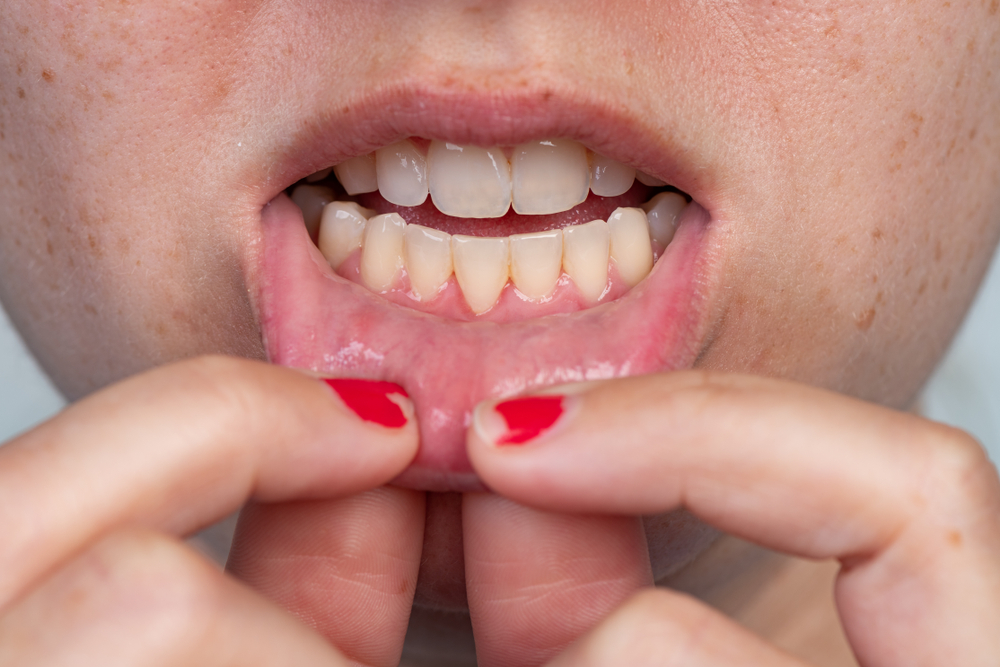


Oral cancer is one of the most underdiagnosed serious health conditions in adults. Unlike many cancers, it rarely announces itself with obvious symptoms in its early stages. A small sore, a faint patch of discolouration, a slightly rough area on the tongue – these are the kinds of changes that most people would dismiss without a second thought. Yet these are precisely the signs that a trained dentist looks for when screening for the 1st oral cancer stages.
The statistics behind oral cancer are sobering. Survival rates drop dramatically when the disease is caught at a later stage. When detected early, the five-year survival rate is significantly higher, and treatment tends to be less invasive and more effective. The challenge is that the 1st oral cancer stages are often painless, which means patients have no obvious reason to seek help. This is why regular dental visits and dedicated oral cancer screenings are so important.
At Whiteman Dental Associates, oral cancer screening is a standard part of every comprehensive dental examination. The team is trained to identify the subtle tissue changes that can signal early disease, giving patients the best possible chance of a positive outcome.
Oral cancer begins when cells in the mouth’s tissues start to grow abnormally. In the 1st oral cancer stages, this abnormal growth is typically confined to a small area and has not spread to surrounding tissues or lymph nodes. This is the stage at which treatment is most effective, which is why identifying it matters so much.
The most common sites for oral cancer to develop include the tongue, the floor of the mouth, the inner cheeks, the gums, the lips, and the roof of the mouth. Tongue cancer is particularly common and can begin as a small, painless lesion on the side or underside of the tongue. Mouth cancer can also develop on the soft tissues of the inner cheeks or on the hard and soft palate.
The changes that occur during the 1st oral cancer stages are often subtle. Cells may begin to look abnormal under a microscope long before any visible change appears on the surface. When visible changes do appear, they often look like ordinary sores or patches that a person might assume will heal on their own. This is why a professional examination is the only reliable way to identify them.
The early signs 1st oral cancer stages are easy to overlook because they can resemble common, harmless conditions. A canker sore, a small cut from a sharp food, or minor irritation from a dental appliance can all look similar to early cancerous lesions. The key difference is persistence. Sores or patches that do not heal within two weeks should always be evaluated by a dentist.
Specific signs that may indicate the 1st oral cancer stages include white patches (leukoplakia), red patches (erythroplakia), or mixed red and white patches on any surface inside the mouth. These patches may appear on the tongue, the gums, the inner cheeks, or the floor of the mouth. They are often painless in the early stages, which is part of what makes them so easy to ignore.
A persistent ulcer 1st oral cancer stages is another sign that warrants attention. An ulcer that has been present for more than two weeks without healing, particularly one that is not painful, should be assessed professionally. Painlessness in an ulcer is actually a red flag rather than a reassurance, as malignant lesions often do not cause discomfort until they are more advanced.
Other symptoms 1st oral cancer stages include unexplained lumps or thickened areas in the gum tissue or cheeks, difficulty moving the tongue or jaw, a persistent feeling that something is caught in the throat, and unexplained bleeding in the mouth without injury.
Oral cancer screenings are a systematic examination of all the soft tissues in the mouth. At Whiteman Dental Associates, this screening is integrated into every routine dental check-up. The process is quick, painless, and non-invasive, but it can be genuinely life-saving.
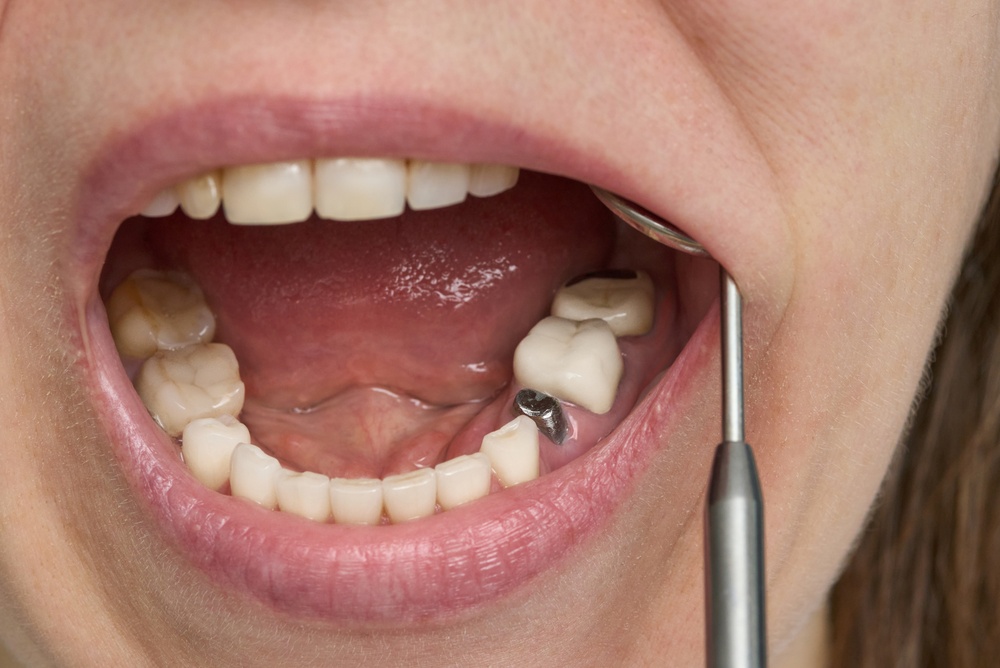
During a screening, the dentist visually examines all surfaces inside the mouth, including the tongue, the floor of the mouth, the inner cheeks, the gums, the lips, and the roof of the mouth. They also feel for any lumps or unusual firmness in the tissues of the mouth and neck. This physical component is important because some early lesions may be felt before they are visible.
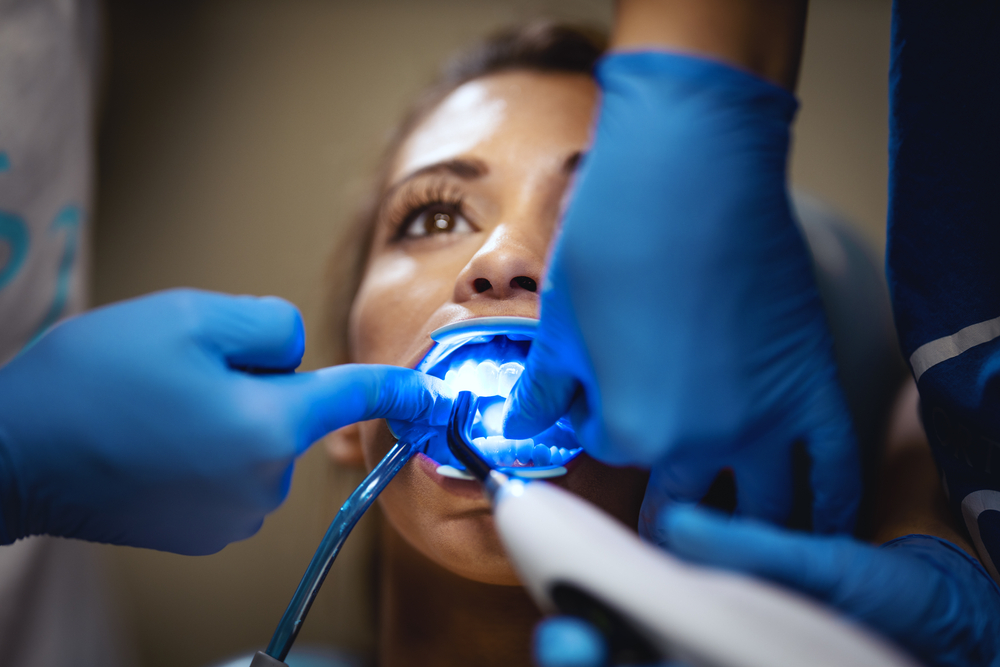
Advanced screening tools can enhance detection. Certain devices use specific wavelengths of light to highlight tissue abnormalities that are not visible under normal lighting. Dyes can also be used to stain suspicious areas, making them easier to identify. When a suspicious lesion is found, a biopsy may be recommended to determine whether the cells are malignant.
The combination of visual examination, physical palpation, and adjunctive tools gives dental professionals at Whiteman Dental Associates a thorough picture of oral health at every visit.
The gums 1st oral cancer stages can present in ways that are easily confused with common gum conditions like gingivitis or periodontitis. Unusual swelling, persistent sores that do not respond to treatment, or areas of discolouration that appear without an obvious cause should all be assessed carefully.
Gum cancer is a form of oral cancer that begins in the gum tissue surrounding the teeth. It can appear as a growth, a thickened area, or a persistent sore on the gums. In some cases, teeth near the affected area may become loose without any other obvious cause. This is because the cancer affects the bone and tissue that support the teeth.
Dentists at Whiteman Dental Associates examine the gums closely during every visit, looking for changes that go beyond the typical signs of gum disease. Patients who wear dentures should be particularly vigilant, as chronic irritation from ill-fitting appliances can sometimes mask early cancerous changes in the gum tissue.
Tongue cancer most commonly develops on the sides or underside of the tongue. In the 1st oral cancer stages, it may appear as a small, painless lump or a rough patch that does not smooth out over time. The surface of the tongue may feel different in the affected area, with a slightly hardened or thickened texture.
Mouth cancer can develop on any soft tissue surface inside the oral cavity. The floor of the mouth, directly under the tongue, is a particularly common site. Lesions in this area can be difficult for patients to see themselves, which is another reason why professional examination is so important.
Both tongue cancer and mouth cancer are highly treatable when caught in the 1st oral cancer stages. Treatment at this stage often involves surgical removal of the lesion, sometimes combined with radiation therapy. The extent of treatment required increases significantly as the cancer advances, making early detection the single most important factor in outcomes.
Certain lifestyle and health factors increase the risk of developing oral cancer. Tobacco use in any form, including cigarettes, cigars, pipes, and smokeless tobacco, is one of the strongest risk factors. Heavy alcohol consumption significantly increases risk, particularly when combined with tobacco use. Prolonged sun exposure without lip protection raises the risk of lip cancer specifically.
Human papillomavirus (HPV), particularly HPV-16, has been identified as a significant risk factor for oral cancer, particularly cancers of the back of the throat and tonsils. A family history of cancer and a personal history of previous oral cancer also increase risk.
Patients with any of these risk factors should discuss more frequent oral cancer screenings with their dentist at Whiteman Dental Associates. Personalised screening protocols can be put in place to monitor high-risk patients more closely and catch any changes at the earliest possible stage.
If it has been a while since your last dental check-up, or if you have noticed any unusual changes in your mouth, book an appointment at Whiteman Dental Associates. Oral cancer screenings are a standard part of every comprehensive examination, and the team is experienced in identifying the subtle signs of the 1st oral cancer stages before they progress. Early detection makes a real difference – do not put it off.
The 1st oral cancer stages refer to the earliest phase of the disease, when abnormal cells are present but confined to a small area and have not spread to surrounding tissues or lymph nodes. Lesions at this stage are often painless and may appear as small sores, patches, or lumps inside the mouth.
Yes. A ulcer 1st oral cancer stages that does not heal within two weeks should always be assessed by a dentist. Painlessness in a persistent ulcer is a warning sign rather than a reassurance, as early malignant lesions are often not painful.
Symptoms 1st oral cancer stages include white or red patches inside the mouth, persistent sores or ulcers that do not heal, unexplained lumps in the gums or cheeks, difficulty moving the tongue or jaw, and unexplained bleeding in the mouth. Any of these lasting more than two weeks warrants professional evaluation.
Oral cancer screenings are recommended at every routine dental check-up, typically every six months. Patients with risk factors such as tobacco use, heavy alcohol consumption, or a history of HPV infection may benefit from more frequent monitoring.
Yes. The gums 1st oral cancer stages can present with swelling, sores, or discolouration that resembles common gum conditions. This is why professional examination is essential. A dentist at Whiteman Dental Associates can distinguish between gum disease and changes that may indicate early oral cancer.