

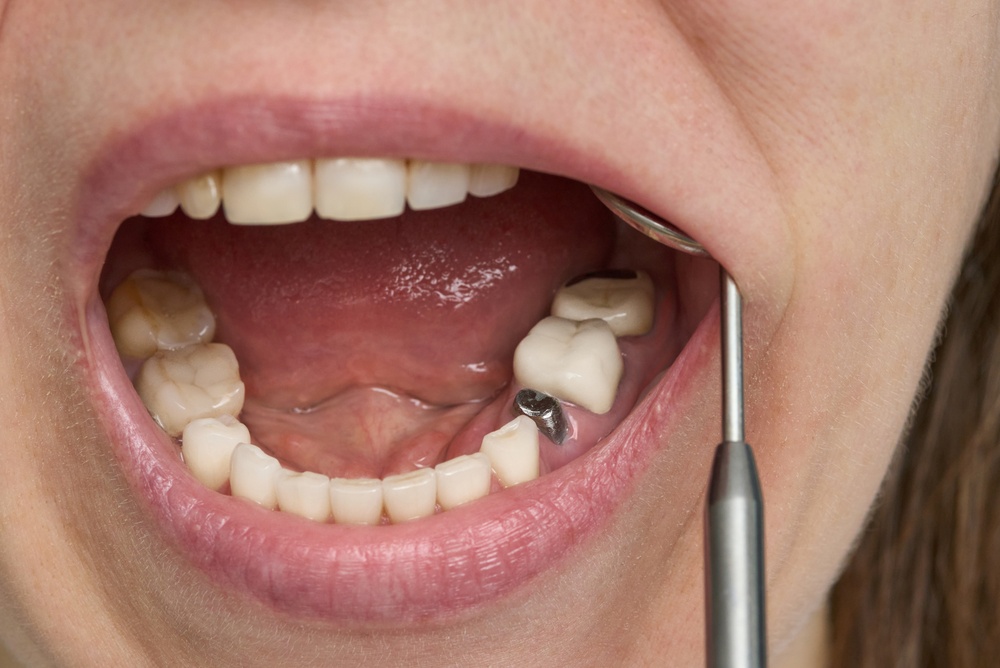
How long does a dental implant procedure take? The placement appointment itself may often be completed in one visit, but the full treatment timeline usually takes several months. A dental implant is placed into the jawbone first. Then the bone needs time to bond with the implant before the final crown, bridge, or denture is attached.
This can surprise patients who expect implant treatment to feel like a crown or filling visit. Dental implant care has a surgical phase, a healing phase, and a restoration phase. Some patients also need an extraction, bone grafting, or additional planning before placement.
At Whiteman Dental Associates in Brookline, dental implants are planned with a detailed exam, digital X-rays, advanced imaging, local anesthesia, comfort options when needed, and custom restorations designed to match your bite and appearance. Your consultation gives Dr. Whiteman the chance to explain the expected timeline for your mouth, your bone support, and your replacement tooth goals.
A dental implant placement visit can often be completed in one appointment, but the full process usually takes months because the implant needs to heal and bond with the jawbone before the final restoration is placed.
Dental implant timelines usually look like this:
The timeline changes based on bone health, the number of implants, the treatment area, grafting needs, and the type of replacement tooth.
The longest part of dental implant treatment is usually the healing period after the implant is placed. The surgery is one phase. The bone connection is the slower phase.
During placement, the implant post is inserted into the jawbone. Over the next few months, the bone bonds with the titanium implant through a process called osseointegration. This connection gives the final restoration its stability.
Whiteman Dental Associates explains that this healing phase supports the strength and longevity of the restoration. A patient may feel better within days after placement, but the bone still needs time to create the foundation for the replacement tooth.
The process usually begins with a consultation. Dr. Whiteman evaluates your oral health, gum health, bite, missing tooth area, and jawbone structure. Digital X-rays and advanced imaging may be used to plan implant placement with precision.
Planning is especially useful when a tooth has been missing for a long time. Bone can shrink after tooth loss, and the implant needs enough support to sit securely in the jaw.
The placement visit is the surgical step. The implant post is placed into the jawbone under local anesthesia. Whiteman Dental Associates also discusses sedation options for patients who want added comfort.
For a single dental implant, the placement portion may be relatively brief. More time may be needed when several implants are placed, when the area is harder to access, or when another procedure is completed during the same visit.
After placement, the gum tissue heals around the area. Some patients may receive a healing cap or temporary restoration, based on the treatment plan. The final restoration is usually placed later.
Osseointegration is the biological process that makes dental implants stable. The surrounding jawbone bonds with the implant over time.
This phase often takes several months. The length can vary based on jaw location, bone quality, overall health, smoking status, and bone grafting. Upper jaw implants may heal differently from lower jaw implants because bone density can vary by area.
During this period, the implant should be protected. Your dentist will give instructions on eating, cleaning, and follow-up appointments. Keeping the area clean and attending reviews helps the team check healing progress.
Once healing is complete, a small connector called an abutment is attached to the implant. The abutment supports the final crown, bridge, or denture.
The restoration is then designed to match your bite and appearance. Whiteman Dental Associates uses custom techniques to create crowns, bridges, or dentures that look natural and feel comfortable.
For one missing tooth, the final result is usually a crown attached to the implant. For several missing teeth, implant-supported bridges or dentures may be used.
Some patients need bone grafting before a dental implant can be placed. Bone loss can happen after tooth loss, gum disease, injury, or infection. If the jawbone does not have enough height or width, grafting can rebuild the area.
Whiteman Dental Associates notes that bone grafting can often restore enough bone to make implant placement possible. A separate Whiteman Dental Associates bone grafting page says implant placement is often scheduled three to six months after grafting once the graft has integrated.
This added time can feel frustrating, but it can improve the foundation for the future implant.
Some patients may be candidates for same-day implant placement after tooth extraction. Whiteman Dental Associates explains that, in certain cases, implants can be placed on the same day as extraction, which may shorten the overall treatment time and reduce surgical visits.
This option is not right for every patient. The tooth area must be appropriate, and the bone needs to support stable placement. Infection, bone loss, gum health, bite forces, and medical history can affect the decision.
A consultation can show if immediate placement is realistic or if a staged plan is better for your long-term result.
Full mouth dental implants usually take longer to plan than a single dental implant. The dentist must consider bite position, jawbone support, facial shape, speech, chewing, esthetics, and the type of restoration being used.
Full arch or implant-supported denture treatment may involve several implants placed strategically in the jaw. The restoration may be fixed or removable, based on the plan. Some patients need extractions, grafting, temporary teeth, or multiple try-in visits before the final teeth are complete.
The appointment time and full timeline vary by the number of implants, the condition of the remaining teeth, bone quality, and the final prosthetic design.
No two implant plans are exactly the same. A single front tooth with healthy bone may follow a different timeline than a molar replacement, a grafted site, or full-mouth dental implants.
Health and habits also play a role. Gum disease, smoking, uncontrolled diabetes, certain medications, and poor oral hygiene can slow healing or change the treatment plan. Your dentist may recommend improving gum health or stopping smoking before surgery.
The location of the missing tooth can influence timing too. Back teeth handle strong chewing forces, so the implant must be stable before it carries a final restoration.
Recovery after implant placement is different from the full implant timeline. Many patients return to normal routines sooner than they expect, but the implant still needs time to bond with the bone.
Early recovery may involve tenderness, mild swelling, and careful eating. Soft foods may be recommended for a short period. Your dentist will explain how to clean the area, when to return for a check, and what to avoid during healing.
Feeling comfortable does not mean the implant is ready for the final crown. The deeper bone connection determines when the next phase can move ahead.
Dental implants can replace missing teeth with a stable, natural-looking restoration, but the process usually unfolds across stages. Placement may happen in one visit, while the full treatment often takes several months because healing and osseointegration are essential to long-term support.
Whiteman Dental Associates offers personalized dental implant planning in Brookline with digital imaging, local anesthesia, comfort options, custom restorations, and decades of restorative expertise. Your consultation can clarify the timing for a single dental implant, teeth implants, implant-supported dentures, or full mouth dental implants.
Book a dental implants consultation at Whiteman Dental Associates today to discuss your timeline, treatment options, and the best way to restore your smile.
The placement visit may be completed in one appointment, but the full process often takes several months because the implant needs time to bond with the jawbone.
Healing often takes a few months. The implant must integrate with the surrounding bone before the final restoration is placed.
Sometimes. Whiteman Dental Associates may discuss immediate placement when bone health, gum health, and the extraction site are suitable.
Full mouth dental implants often take longer than one implant because planning, placement, healing, temporary teeth, and final restorations may involve multiple visits.
The implant is placed under local anesthesia. Sedation options may be discussed for added comfort when appropriate.
The implant needs time to bond with the jawbone. This creates the stable foundation needed to support the final crown, bridge, or denture.
Yes. If bone grafting is needed, implant placement may be scheduled several months later after the graft has integrated.
With good daily care, regular checkups, and healthy gums, dental implants can provide long-term function for many patients.