


Teeth change a lot over a lifetime. Babies begin with no teeth showing, children lose their first set, and adults may keep most of their natural teeth for decades. Later in life, the chance of losing teeth rises, but age doesn’t determine how many teeth a person will keep.
Looking at average tooth loss by age can still be useful. It shows when tooth loss becomes more common and gives us a clearer picture of how oral health changes over time. Thelatest U.S. data shows that adults ages 20 to 34 have about 27 natural teeth remaining on average. This falls to 23.3 teeth for ages 50 to 64 and 19.8 teeth for adults 75 and older.
At Whiteman Dental Associates, our dental exams and teeth cleaningshelp us track changes before small problems become harder to treat. This guide starts with baby teeth, moves through childhood, and then looks at adult tooth loss by age.
National data use age groups, so exact numbers for every birthday are not available.
| Age | What is typical |
| Baby to age 3 | 20 baby teeth by about age 3 |
| 20 to 34 | 27 natural teeth on average |
| 35 to 49 | 25.6 natural teeth on average |
| 50 to 64 | 23.3 natural teeth on average |
| 65 to 74 | 21.7 natural teeth on average |
| 75+ | 19.8 natural teeth on average |
These adult figures include people with and without wisdom teeth.
Babies are born with 20 baby teeth already inside their jaws. The first tooth often appears at around 6 months, though the timing can vary. Some babies get a tooth earlier, while others may not get one until closer to their first birthday.
By about age 3, most children have all 20 baby teeth. They help with eating and speech, and they hold space for the adult teeth that will come later. Dental care starts as soon as the first tooth appears.
Children usually start losing baby teeth around age 6. The lower front teeth are often among the first to go. Adult teeth then begin to move into the spaces left behind.
Losing baby teeth is a normal part of growth, so it should not be counted in the same way as adult tooth loss. A baby tooth that falls out at the right time is making room for a permanent tooth.
A baby tooth lost too early can be different. Decay or injury may cause a tooth to come out before the adult tooth is ready. In some cases, we may need to protect the open space so nearby teeth do not move into it.
A full adult set can contain 32 permanent teeth, including four wisdom teeth. Many adults have fewer because wisdom teeth may never come in or may be removed. That is one reason adult tooth counts can look lower even in healthy younger adults.
By around age 21, most permanent teeth that are going to appear have come through. The goal after that is to keep as many natural teeth as possible for life.
Regular exams, daily brushing, cleaning between teeth, and professional cleanings can help. Tooth decay and gum disease are two major causes of adult tooth loss.
Adults ages 20 to 34 have about 27 natural teeth on average, according to thelatest national data. For ages 35 to 49, the average is 25.6 teeth.
Those numbers do not mean losing several teeth in early adulthood is expected for every person. Wisdom tooth removal can affect the total, and some adults are missing teeth for other reasons.
A lost adult tooth in your 20s, 30s, or 40s still deserves attention. Decay, gum disease, or injury may be behind the loss. Replacing the tooth can help with chewing and keep nearby teeth from moving.
For age 50, the closest national group is adults ages 50 to 64. They have 23.3 natural teeth on average. Compared with a full set of 32, that works out to about 8.7 teeth missing.
Wisdom teeth are part of that count, so some missing teeth may be wisdom teeth removed years earlier.
The more useful point is that tooth loss becomes more common in this age range. Years of decay, gum problems, old dental work, smoking, dry mouth, and other health factors can add up. Regular care becomes even more useful as these risks grow.
The same 50-to-64 age group gives the closest national picture for age 60. The average remains 23.3 natural teeth across the group.
A person in their 60s may have more or fewer teeth than that. The average covers many different dental histories.
Gum health becomes a key part of keeping teeth at this stage. Gum disease can weaken the bone and tissue that hold teeth in place. Dry mouth can raise cavity risk too, especially if it is linked to medication. We can check for these changes during regular visits and talk through care that fits your needs.
For age 70, the closest group is adults ages 65 to 74. They have 21.7 natural teeth on average. That is about 10.3 fewer than a full set of 32.
Complete tooth loss is still far from universal. CDC data show that a little over 1 in 10 adults ages 65 to 74 have lost all their natural teeth. Most people in this age group still have some or many of their own teeth.
Keeping those teeth healthy can support eating, speech, and comfort. Older fillings, exposed roots, and dry mouth may need more care over time.
Adults age 75 and older have 19.8 natural teeth on average. Around 1 in 5 people in this age group have lost all their natural teeth, based on recent U.S. data.
Plenty of older adults keep many natural teeth, especially with regular care and good daily habits. Limited hand movement can make brushing harder, and some medicines can cause dry mouth. We can adjust home-care advice and cleaning schedules when needed.
Adult tooth loss often has a cause that builds over time. Decay can weaken a tooth, and gum disease can damage the tissue and bone around it.
Injuries and deep cracks can lead to tooth loss too. Smoking raises the risk of serious gum problems, while dry mouth can make cavities more likely.
Age can be linked with more years of exposure to these risks. It does not mean tooth loss has to happen. Preventive care, treatment, and good home habits can help many people keep their natural teeth much longer.
Yes. Daily care and regular dental visits can lower the chance of losing teeth to decay and gum disease.
Brush twice a day with fluoride toothpaste and clean between your teeth once a day. If your gums bleed often, a tooth feels loose, or you notice pain, book a visit rather than waiting for it to get worse.
Professional cleanings remove tartar that brushing cannot take off. During a dental cleaning, we can also check your gums and look for changes around older dental work. Early treatment often gives us more options for saving a tooth.
Average tooth loss by age shows a clear pattern. Adults tend to have fewer natural teeth as they get older, but the numbers are averages, not a forecast for your own mouth.
Good home care and regular dental visits can help you stay on the stronger side of those averages. At Whiteman Dental Associates, we can check your teeth and gums, remove tartar, and spot signs of decay or gum disease early.
If you are worried about a loose tooth, missing teeth, or changes in your gums, book an appointment with us. We can check what is happening and talk through the next step.
Book your next dental appointment.
Most children start losing baby teeth at around age 6. The process continues through childhood as permanent teeth replace them.
Tooth loss becomes more common with age, but losing adult teeth is not unavoidable. Good home care and regular dental treatment can help people keep natural teeth much longer.
There is no set number a 70-year-old should have. U.S. adults ages 65 to 74 have an average of 21.7 natural teeth, but individual tooth counts vary a lot.
Tooth decay and gum disease are major causes of adult tooth loss. Injury and badly damaged teeth can lead to extraction too.
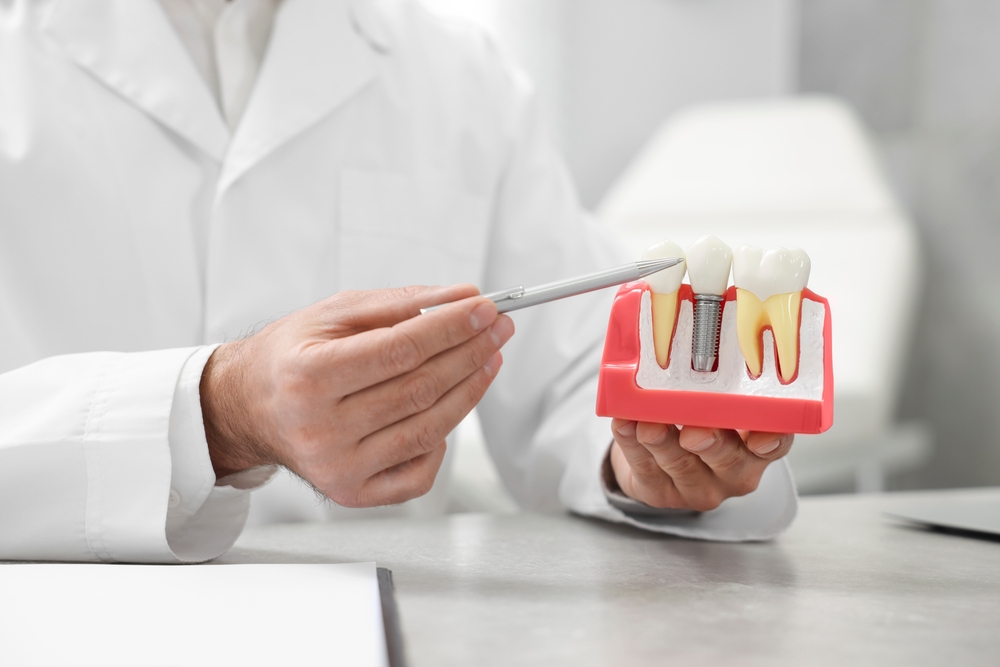
Yes. Depending on your mouth, replacement options can include dental implants, bridges, or dentures. We can check your teeth, gums, and bone before talking through suitable choices.

![How to Clean Your Teeth [Dentist Guide 2026]](https://www.whitemandental.com/wp-content/uploads/2026/10/How-to-Clean-Your-Teeth-Dentist-Guide-2026.jpg)