

A frenectomy may be recommended when a small band of oral tissue is too tight, too short, or attached in a way that limits normal mouth movement. This tissue is called a frenum or frenulum. Most people have several of these bands in the mouth, and many never cause problems. Treatment becomes worth discussing when the tissue affects feeding, speech, tongue movement, lip movement, gum health, tooth spacing, or orthodontic results.
For babies, parents may hear about tongue tie surgery if a tight lingual frenulum affects latch or feeding. For children, teens, and adults, the concern may involve speech, cleaning, discomfort, gum pulling, or a gap between front teeth. The right reason for care should always be based on function, symptoms, oral health, and a careful dental exam.
Whiteman Dental Associates in Brookline provides frenectomy care with a gentle, precise approach. The team can assess the tissue, explain the type of restriction, and discuss whether treatment is likely to help.
A frenectomy removes or releases restrictive frenum tissue when it is interfering with normal function or dental health. The goal is to improve movement, reduce pulling, or support another dental treatment plan.
A dentist may discuss treatment when a tight frenum is linked to:
The key point is that a frenum does not need treatment simply because it exists. Treatment is considered when the tissue is creating a clear problem or interfering with planned dental care.
A frenectomy is a minor oral procedure that removes or releases a tight frenum. The frenum is a small band of tissue that connects parts of the mouth, such as the tongue to the floor of the mouth or the upper lip to the gum tissue.
Whiteman Dental Associates provides two main types of treatment. A lingual frenectomy addresses the tissue under the tongue. A labial frenectomy addresses tissue that connects the lip to the gums.
The procedure may be performed with a soft-tissue laser. Laser treatment can allow precise tissue removal, often with less bleeding and a smoother healing experience than older techniques. The dentist will explain what to expect based on the tissue location and the patient’s age.
A lingual frenectomy treats a restrictive lingual frenulum. This is the band of tissue under the tongue. If it is too tight or attached in a restrictive position, the tongue may not move freely.
In infants, limited tongue movement can sometimes affect feeding. Parents may notice trouble latching, prolonged feeds, clicking sounds, poor milk transfer, or discomfort during breastfeeding. A full feeding assessment is still needed because feeding problems can have several causes.
In older children or adults, tongue restriction may affect speech clarity, eating, oral hygiene, or comfort. Some people may struggle to lift the tongue, move it side to side, or touch certain areas of the mouth.
Tongue tie surgery is most often discussed for infants when the lingual frenulum restricts tongue movement and feeding remains difficult after proper evaluation. The decision should not be rushed. A baby may need input from a dentist, pediatrician, lactation consultant, or another trained provider before treatment is chosen.
A release may help when the tongue cannot move well enough for effective latch or feeding. The goal is to improve tongue mobility so feeding can become easier. Support after the procedure can still be needed, especially if the baby has developed feeding patterns that take time to change.
Whiteman Dental Associates can assess oral tissue and explain whether the restriction appears to be part of the feeding concern.
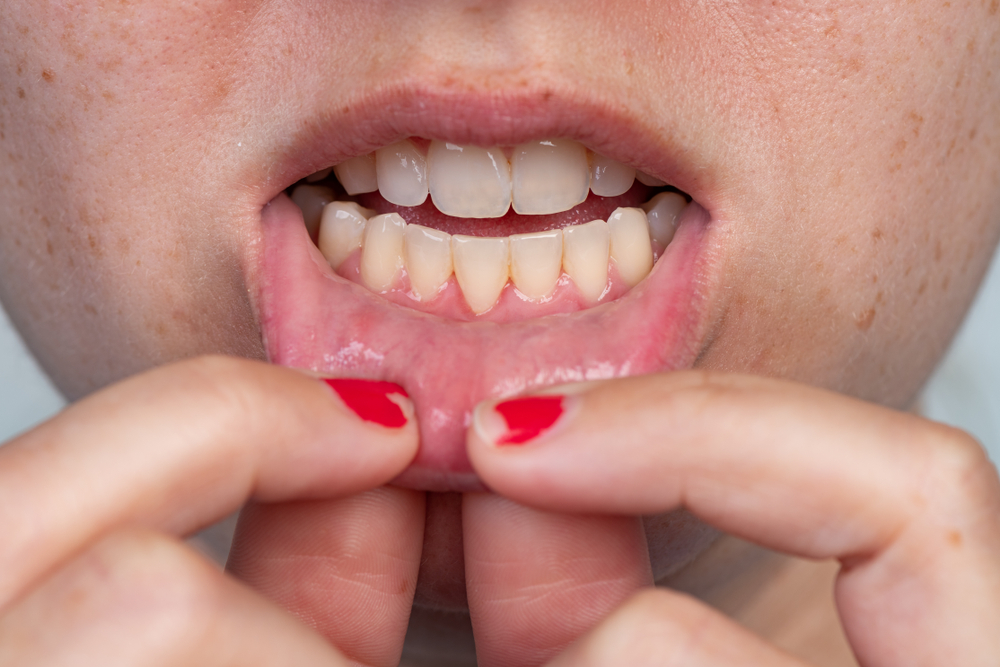
A labial frenectomy may be discussed when the frenum between the lip and gums is pulling on gum tissue or contributing to oral health concerns. A tight upper lip frenum can sometimes affect how the lip moves, how easy it is to clean the area, or how the gums respond near the front teeth.
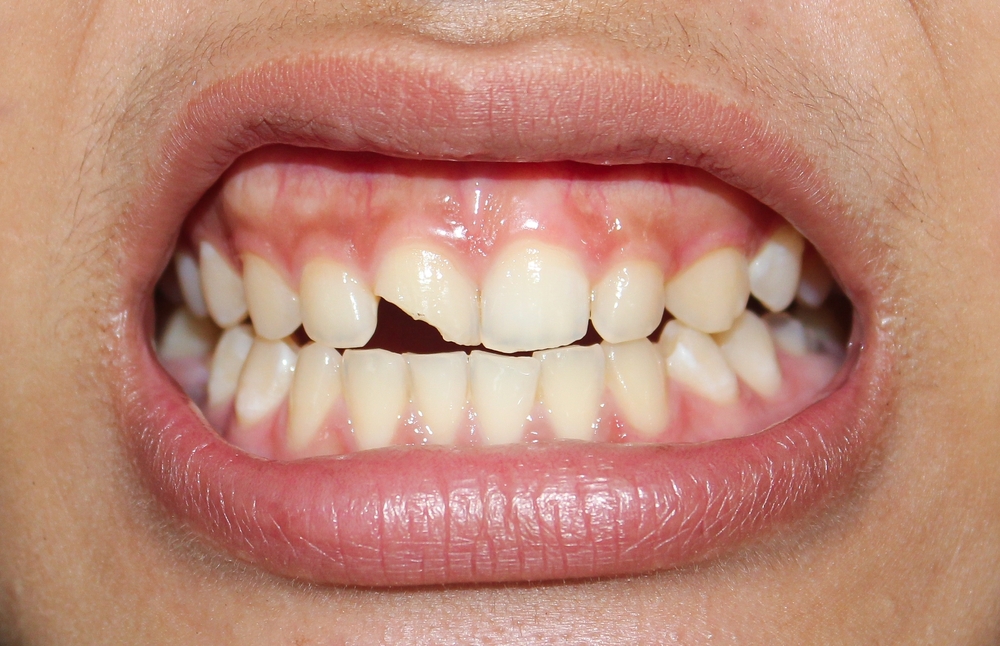
In some cases, a labial frenum may contribute to a gap between the upper front teeth. The timing of treatment needs care. A dentist may coordinate with orthodontic treatment so the gap can be closed and stay more stable.
Gum pulling is another concern. If the tissue attachment pulls on the gumline, it may contribute to irritation or recession in selected cases.
The frenectomy procedure at Whiteman Dental Associates is planned around the patient’s age, comfort, tissue location, and treatment goal. The visit usually includes an exam, discussion of symptoms, and a review of how the frenum affects movement or oral health.
Local anesthetic may be used to keep the area comfortable. A soft-tissue laser may then be used to release or remove the restrictive tissue. Laser care can be precise, and many patients appreciate that the appointment is often straightforward.
The full visit may be relatively short, but the timing can vary based on the patient and the area being treated. Instructions are provided after care so the tissue can heal properly.
Tongue movement plays a role in forming certain sounds, moving food, swallowing, and cleaning the mouth. A restricted tongue can make some movements harder, especially if the lingual frenulum limits the tongue’s range.
A frenectomy may help selected patients when tongue restriction is clearly affecting function. Speech concerns often need careful assessment. A speech-language pathologist may be involved, especially for children, so the treatment plan reflects the way the tongue is being used during speech.
The release improves movement potential. Practice, therapy, or retraining may still be needed if the patient has adapted to years of limited movement.
A frenum can affect orthodontic planning in some cases. A tight upper labial frenum may contribute to a gap between the upper front teeth or place tension on tissue after orthodontic movement.
Whiteman Dental Associates may discuss a labial frenectomy to help support tooth position after braces or clear aligners. Timing is important because the tissue release may be most helpful after the teeth have been moved into a better position.
This is why the dentist may coordinate the plan with orthodontic care. The goal is to support stability rather than perform treatment at the wrong time.
Patients may benefit when the frenum is restrictive enough to create symptoms, functional limits, or dental concerns. That can include infants with feeding difficulty linked to tongue restriction, children with movement or speech concerns, teens after orthodontic treatment, or adults with discomfort and oral hygiene challenges.
Age alone does not decide the need for care. The dentist looks at movement, attachment, symptoms, oral health, and treatment goals.
Some patients have a visible frenum that does not cause problems. In those cases, monitoring may be all that is needed.
Recovery after a frenectomy is often manageable. The area may feel sore or tender for a short time. Mild swelling or sensitivity can happen, and the dental team will explain how to care for the area.
Patients may be asked to keep the mouth clean, avoid irritating foods for a short period, and follow any movement guidance given after treatment. Infants may need feeding support after tongue tie surgery so they can adjust to new tongue movement.
Call the dental office if pain worsens, bleeding does not settle, swelling becomes concerning, or the area does not appear to heal as expected.
A frenectomy may be helpful when tight oral tissue affects tongue movement, lip movement, feeding, speech, gum health, cleaning, or orthodontic stability. The decision should be based on a clear exam and a practical discussion about how the tissue is affecting daily function or dental care.
Whiteman Dental Associates provides frenectomy treatment in Brookline with a careful, comfort-focused approach. The team can assess a restrictive lingual frenulum, lip tie concerns, gum pulling, tooth spacing, or treatment timing after orthodontic care.
Book a frenectomy consultation with Whiteman Dental Associates today to discuss your symptoms, review your options, and find out if treatment is right for you.
A frenectomy is a minor oral procedure that removes or releases a tight frenum so the tongue or lip can move more freely.
You may need one if restrictive tissue affects feeding, speech, tongue movement, lip movement, gum health, cleaning, or orthodontic stability.
A lingual frenectomy releases the tight tissue under the tongue. It may be used when a restrictive lingual frenulum limits tongue movement.
Tongue tie surgery often refers to treatment that releases the lingual frenulum. A frenectomy is one type of release procedure.
Local anesthetic can keep the area comfortable during treatment. Mild soreness or tenderness may happen during early healing.
Yes. Adults may have treatment if restricted tissue affects tongue movement, comfort, cleaning, speech, or dental treatment planning.
The appointment is often relatively short, but timing varies based on the tissue location, patient age, and treatment method.
A labial frenectomy may help selected patients when a tight frenum contributes to spacing or tension after orthodontic treatment.