

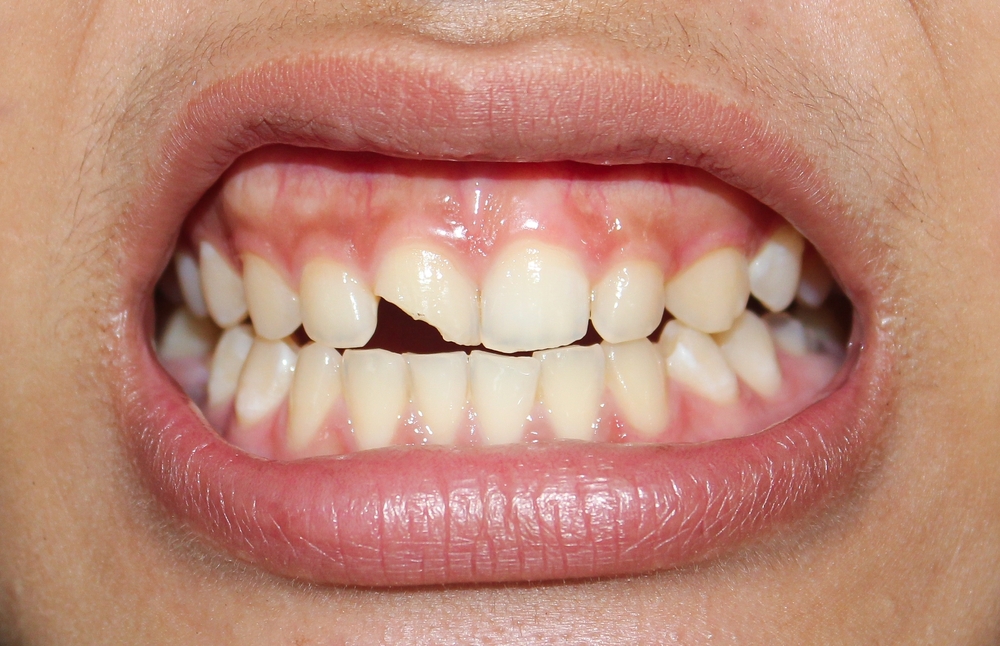
A cracked tooth can make you want a fast home solution, especially if the damage looks small or only hurts now and then. You may feel pain when chewing, sensitivity to cold air, a sharp edge against your tongue, or a strange pressure that comes and goes. The question many patients ask is how to fix a cracked tooth naturally without making the damage worse.
A tooth crack cannot seal itself at home. Natural care can help protect the tooth, reduce irritation, and lower the risk of added damage until you see a dentist, but it cannot rebuild enamel or join the crack back together. The safest route is to treat the tooth gently, avoid chewing on that side, and schedule an exam.
Whiteman Dental Associates in Brookline repairs cracked, chipped, and broken teeth with careful evaluation, digital X-rays, bite checks, bonding, crowns, root canal therapy, veneers, and other restorative options when needed.
Natural care for a cracked tooth should focus on protection, comfort, and preventing more damage until a dentist can examine it. A crack can be shallow, but it can also reach deeper layers of the tooth where nerves and infection risk become more serious.
Take these steps as soon as you notice a crack:
These steps may help you feel more comfortable for a short period. They do not replace dental repair.
How to naturally fix a cracked tooth is really about how to care for the tooth safely before professional treatment. There is no natural method that can fuse a cracked tooth back together. Enamel does not repair a fracture the way skin or bone can heal.
Home care can still help. Warm water rinses can keep the area cleaner. Soft foods can reduce pressure on the tooth. Avoiding hard, sticky, or crunchy foods can lower the chance of the crack spreading. Good brushing and gentle cleaning around the tooth can help reduce plaque without disturbing the damaged area.
Do not use glue, temporary craft adhesive, nail products, or internet “tooth repair” tricks. These can irritate oral tissues, trap bacteria, or make professional treatment harder. A cracked tooth needs a dental diagnosis so the depth and direction of the crack can be understood.
How to fix a cracked tooth clinically comes down to the type of crack, the tooth location, the amount of structure left, and symptoms. A small surface crack may need smoothing or bonding. A larger crack may need a crown to hold the tooth together. A crack that reaches the pulp may need root canal therapy before the final restoration.
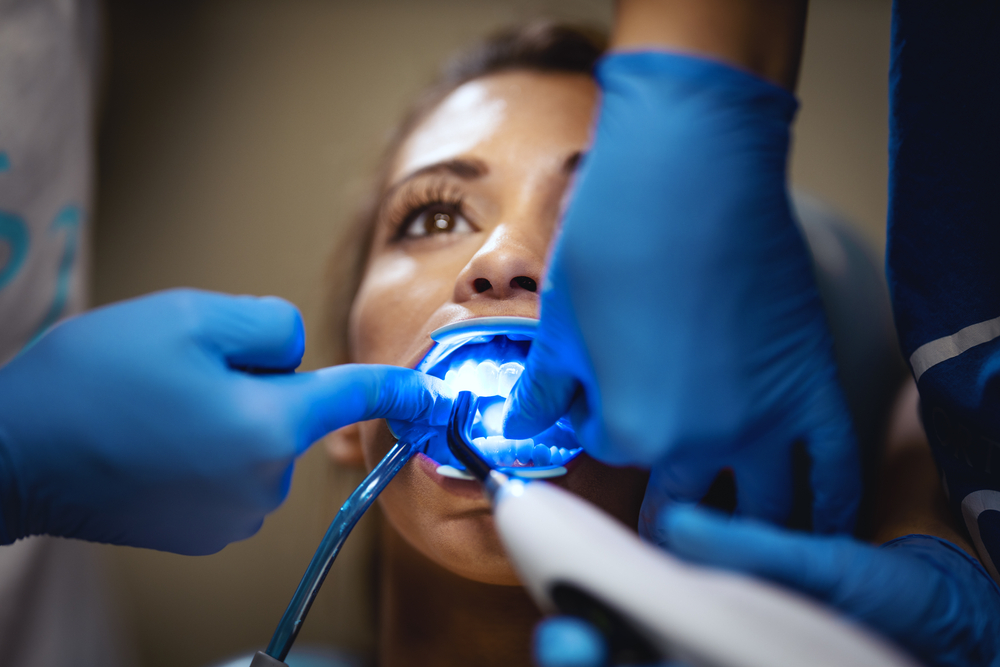
Whiteman Dental Associates checks cracked teeth with a careful exam. The visit may include digital X-rays, bite evaluation, magnification, symptom discussion, and other diagnostic steps. Some cracks are easy to see, and others are hidden under old fillings or between cusps.
Treatment is chosen to protect the tooth, restore function, and reduce discomfort. The sooner the tooth is checked, the more conservative the repair may be.
A cracked tooth can happen suddenly after biting something hard, taking a fall, or getting hit in the mouth. It can also develop gradually from grinding, clenching, old dental work, weakened enamel, decay, or repeated chewing pressure.
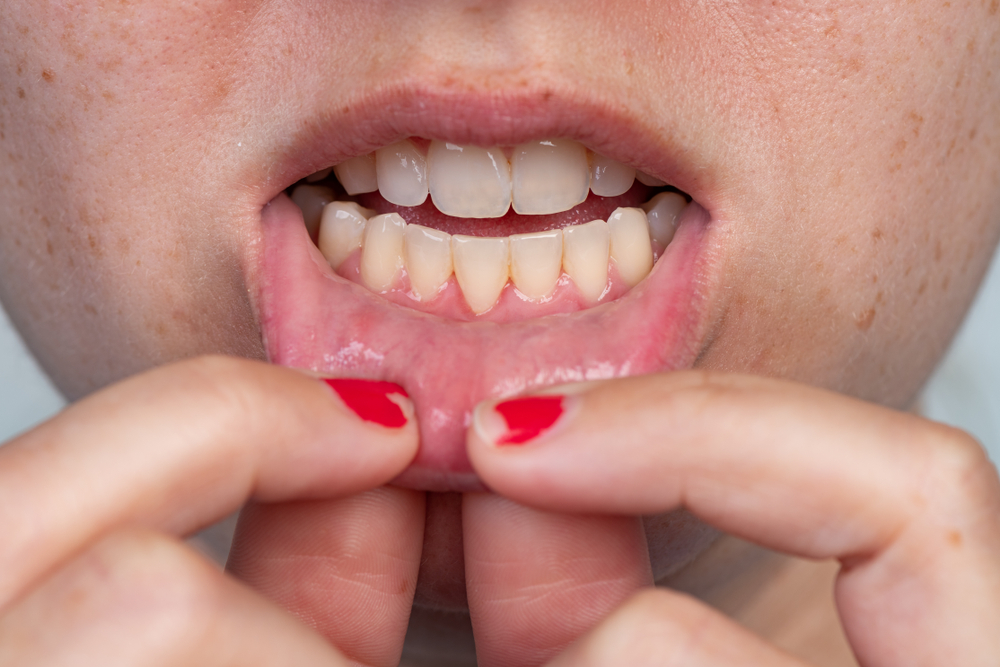
A broken tooth may involve a larger missing section, while broken teeth can range from small chips to deeper fractures that expose inner layers. Pain level does not always show how serious the damage is. Some cracks hurt sharply, and others cause no pain until the tooth is stressed during chewing.
Teeth with large old fillings may have less remaining natural structure. That can make them more vulnerable to cracking under pressure.
Some symptoms suggest the crack may be deeper or more active. Pain when biting down or releasing pressure can be a sign of a cracked tooth. Sensitivity to cold, heat, or sweet foods can also appear when the inner layers are irritated.
Swelling, throbbing pain, gum tenderness, bad taste, or a pimple-like bump on the gum can point to infection. A tooth that feels loose, sharp, or visibly split should be checked quickly.
No pain does not mean the tooth is safe. A crack can spread under chewing force, especially if the tooth takes heavy bite pressure.
Do not chew ice, hard candy, nuts, popcorn kernels, pens, or other hard objects on the cracked tooth. Do not test the tooth by biting repeatedly to see if it still hurts. Each test can put more force through the crack.
Avoid whitening products on a cracked or painful tooth. Sensitivity may worsen if the tooth is already irritated. Skip at-home filing too. Trying to smooth a sharp edge with tools can remove healthy enamel and injure soft tissue.
Pain relief can help temporarily, but it should not be used to delay care if symptoms are persistent, severe, or getting worse.
Bonding can repair some small chips and surface-level flaws. Whiteman Dental Associates uses tooth-colored resin to fill and shape the damaged area so it blends with the surrounding tooth.
Bonding can be a good option when the crack or chip is minor, and the tooth does not need major support. It is often completed in one visit and may not require numbing in every case.
The dentist still needs to check the bite. If the bonded area takes too much pressure, it may chip or wear sooner. A nightguard may be recommended if grinding contributed to the damage.
A dental crown may be recommended when a cracked tooth has lost strength or needs protection around the full biting surface. A crown covers the visible part of the tooth and helps hold the remaining structure together.
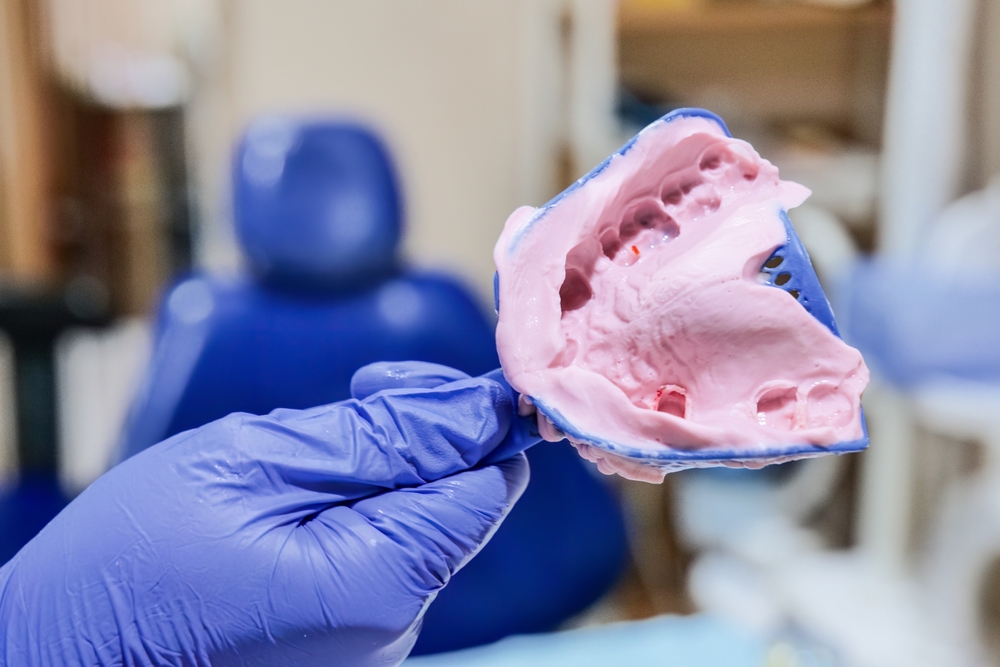
Crowns are often used for back teeth because molars and premolars handle heavy chewing force. Whiteman Dental Associates offers same-day dental crowns, which may help selected patients restore a damaged tooth without waiting weeks for a lab-made restoration.
The dentist will explain if a crown is enough or if deeper treatment is needed first.
A crack that reaches the pulp can irritate or infect the nerve tissue inside the tooth. Symptoms may include lingering sensitivity, throbbing pain, swelling, or pain that wakes you at night.
Root canal therapy may be needed when the inner pulp is affected. The infected or inflamed tissue is removed, the inside of the tooth is cleaned and sealed, and the tooth is usually restored with a crown afterward.
This approach can often save a tooth that would otherwise become painful or unstable.
Some cracks travel below the gumline or split the tooth in a way that makes repair unrealistic. In those cases, extraction may be the safest option.
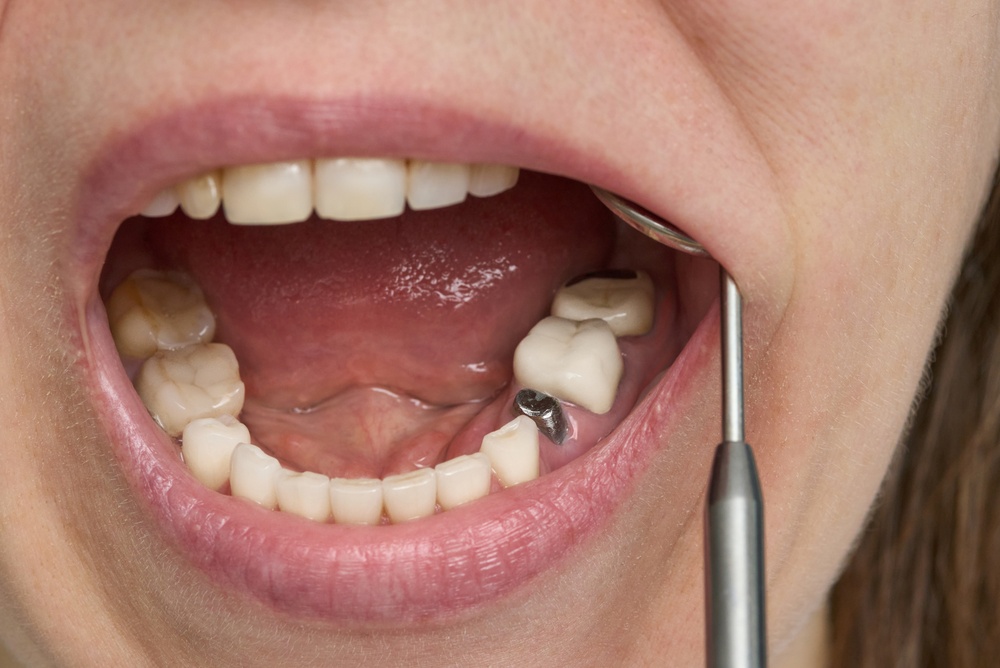
Losing a tooth can feel upsetting, but replacement options may help restore chewing and appearance. Whiteman Dental Associates offers dental implants, bridges, and other restorative care that can be discussed if removal is needed.
The goal is always to preserve the tooth when possible, but saving the tooth has to be weighed against infection risk, pain, bone support, and long-term function.
After a cracked tooth is repaired, prevention becomes part of the plan. A repaired tooth can work well, but it still needs steady care and regular dental reviews.
Brush twice daily, clean between your teeth, and keep checkups on schedule. Avoid chewing ice or using teeth as tools. If you grind or clench, ask about a custom nightguard. Replace old fillings or weakened restorations before they place added stress on the tooth.
A small change in bite or a rough spot after treatment should be checked. Early adjustment can protect the repair.
A cracked tooth will not heal naturally, but careful home care can protect it until you receive the right repair. Warm rinses, soft foods, avoiding pressure, and calling the dentist promptly can reduce the chance of the crack getting worse.
Whiteman Dental Associates repairs cracked, chipped, and broken teeth in Brookline with a calm, thorough approach. Your visit can show whether bonding, a crown, root canal therapy, veneer, extraction, or another option is the right next step for your tooth.
Book an appointment with Whiteman Dental Associates today to have your cracked tooth assessed and repaired before the damage becomes more serious.
You cannot permanently fix a cracked tooth naturally. Home care can protect the tooth for a short time, but a dentist must diagnose and repair the crack.
A dentist may use bonding, a crown, root canal therapy, veneer treatment, or extraction based on the crack depth, symptoms, and tooth structure.
No. A cracked tooth cannot heal like a bone. The crack needs a dental exam so the right repair can be planned.
No. A broken tooth may hurt, feel sharp, look damaged, or cause no pain at first. Dental evaluation is still needed.
Avoid chewing on damaged teeth, biting hard foods, testing the tooth, using glue, or trying to file the tooth at home.
Bonding may repair small surface cracks or chips. Deeper cracks often need a crown, root canal therapy, or another restorative treatment.
Severe pain, swelling, bleeding, fever, a loose tooth, or a tooth broken deeply should be treated as urgent dental concerns.
Yes. Grinding and clenching can place heavy pressure on teeth, which may contribute to cracks, chips, worn enamel, and broken restorations.