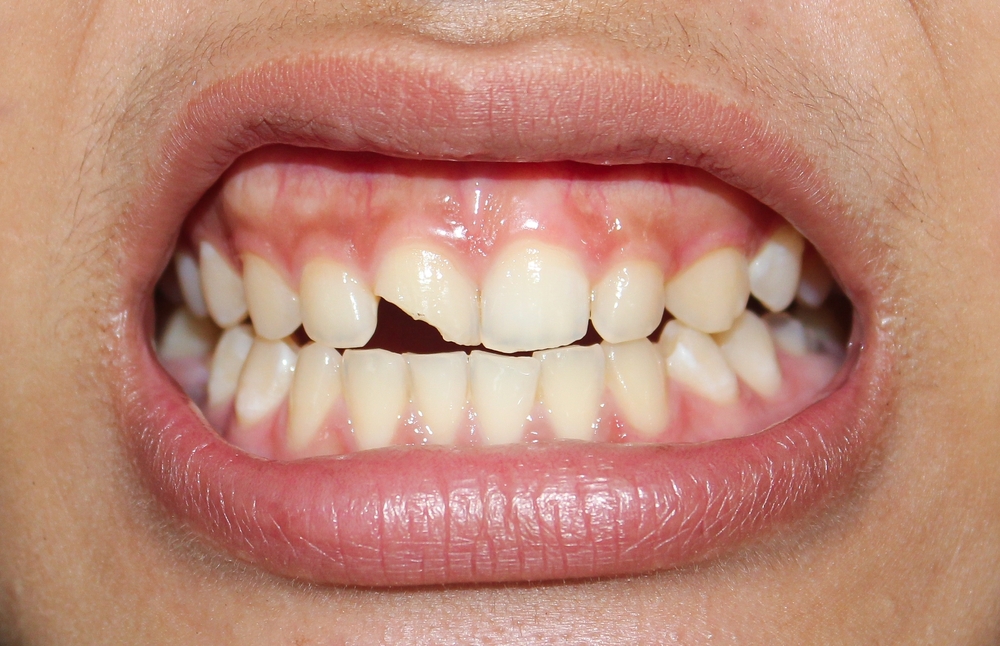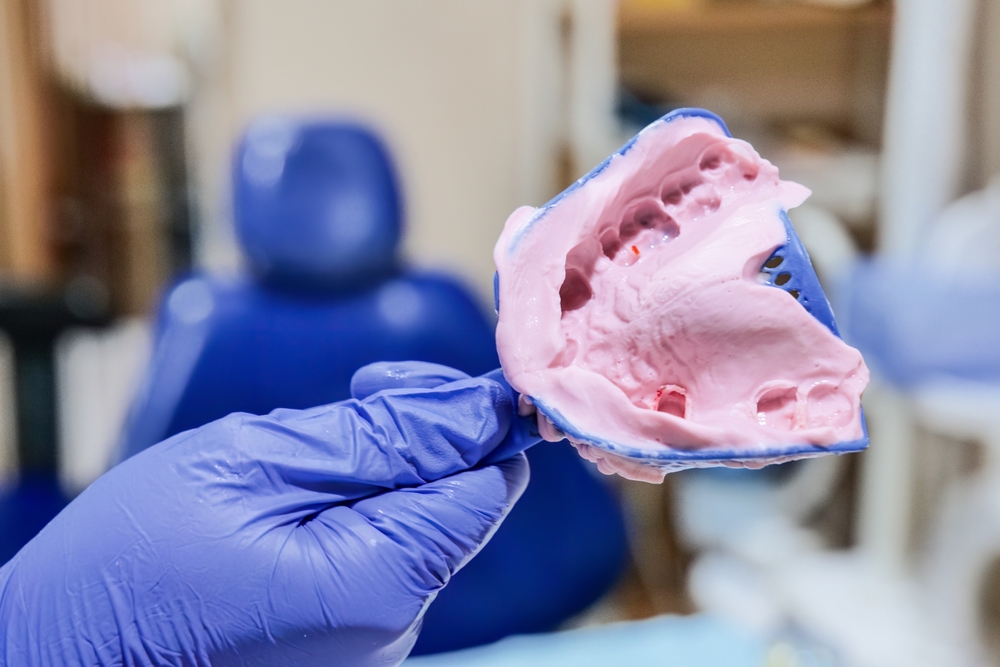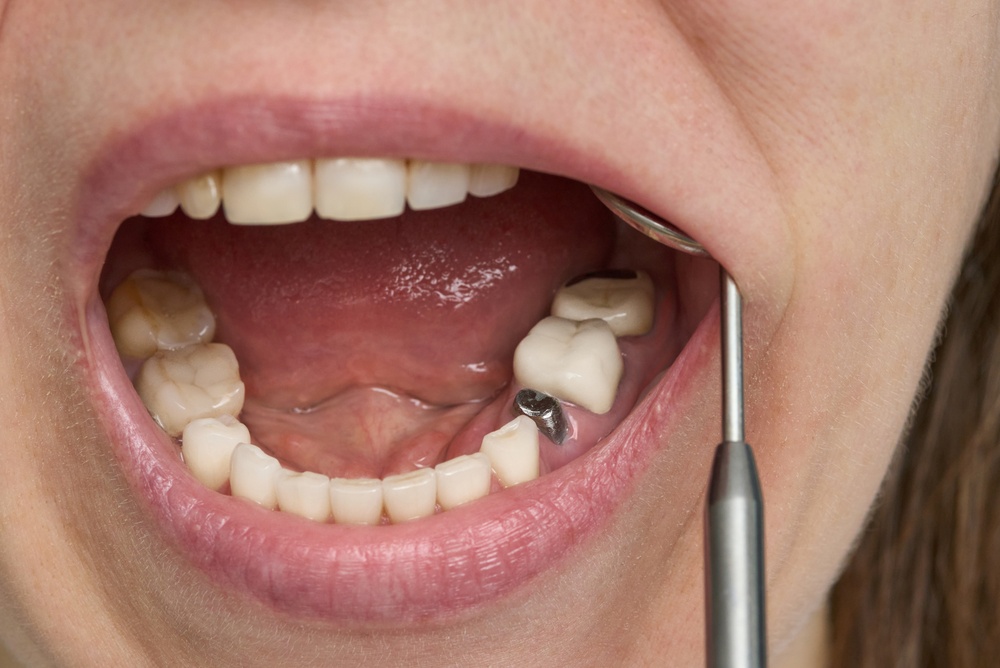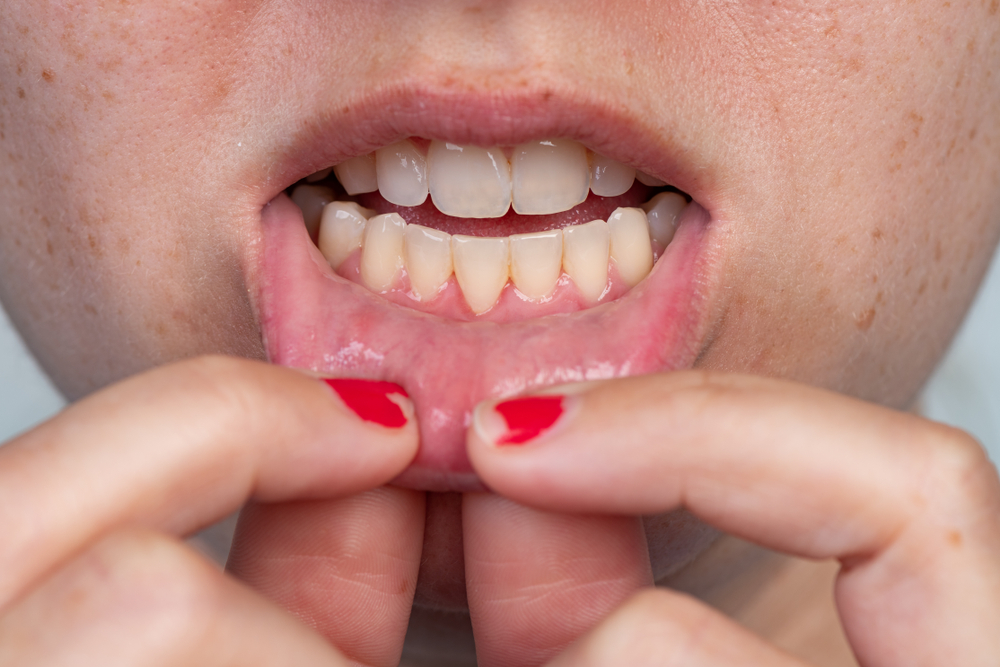


Dental bonding is a cosmetic dental treatment that uses tooth-colored composite resin to repair or refine the appearance of a tooth. It can help with small chips, minor cracks, gaps, discoloration, uneven edges, and teeth that look slightly misshapen. Many patients like the idea because treatment is often completed in one visit and usually requires little or no removal of natural enamel.
A small flaw in one tooth can affect the way your whole smile looks. You may notice it in photos, during conversations, or each time you check your teeth in the mirror. Cosmetic dental bonding gives dentists a conservative way to improve the tooth’s shape, color, or edge without using a porcelain veneer or crown in every case.
Whiteman Dental Associates in Brookline provides dental bonding with attention to shade, balance, and bite. Dr. Whiteman uses cosmetic and restorative experience to help the bonded tooth blend with your smile rather than look obvious.
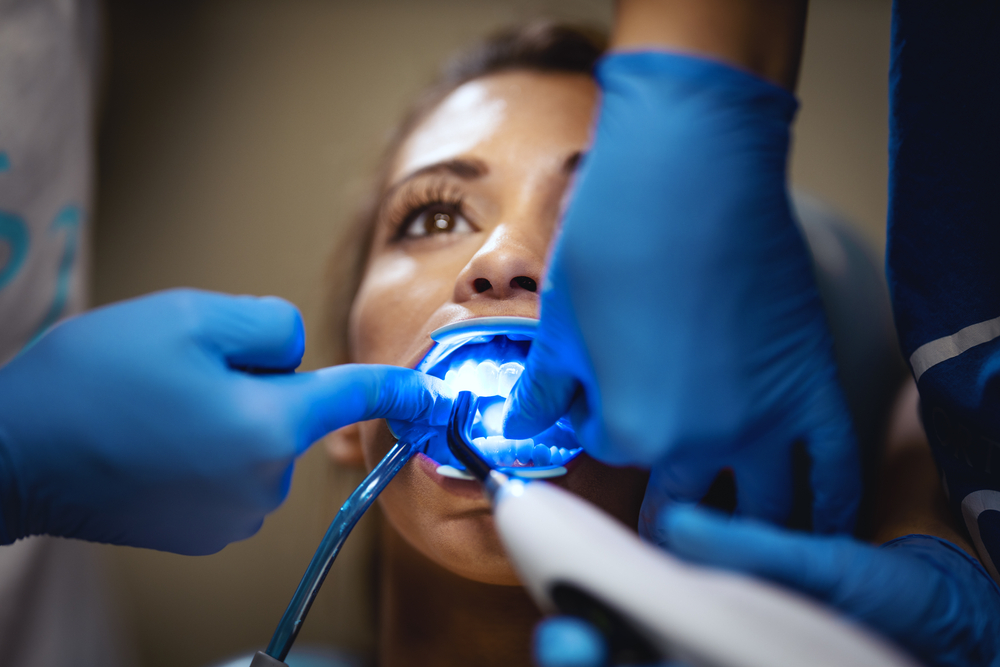
Dental bonding works by placing a tooth-colored resin directly onto the tooth, shaping it by hand, hardening it with a special curing light, and polishing it so it blends with nearby enamel. The resin bonds to the tooth surface and can be adjusted to improve shape, size, color, or symmetry.
Patients often choose bonding because it can address small cosmetic concerns in a conservative way. It may be used when you want to improve a tooth without committing to a more involved restoration.
Dental bonding can often help with:
The finished result relies on careful shade matching, skilled shaping, and a final polish that helps the resin reflect light more like natural enamel.
Tooth bonding usually begins with a consultation. Dr. Whiteman checks the tooth, nearby teeth, gum health, bite, and cosmetic goal. The tooth must be healthy enough for bonding, especially if the concern involves a crack, sensitivity, or old dental work.
Next, the resin shade is selected to blend with the surrounding teeth. The tooth surface is prepared so the material can attach properly. A conditioning liquid and bonding agent may be used before the composite resin is placed.
The resin is then sculpted into the right shape. This part requires a careful eye because a small adjustment can change the way the tooth looks in the smile. Once the shape is right, a curing light hardens the material. The tooth is then refined and polished.
Cosmetic dental bonding is often chosen for small changes that still make a visible difference. A chipped front tooth, a slightly short tooth, or a narrow gap can be distracting, especially if the rest of the smile looks healthy.
Bonding can be a good option when the tooth needs a conservative cosmetic repair. It can often be completed without major enamel removal, and the color can be matched to the nearby teeth.
Whiteman Dental Associates takes a detail-focused approach to cosmetic care. The goal is not to make one tooth look artificially perfect. The goal is to help the treated tooth fit naturally with the rest of your smile.
Dental bonding and veneers can both improve tooth appearance, but they are used in different ways. Bonding places composite resin directly onto the tooth. Veneers are thin restorations that cover the front surface of the tooth.
Bonding is often used for smaller chips, gaps, and shape refinements. Veneers may be better when several teeth need a larger color, shape, or alignment change.
Cost, durability, enamel changes, appointment time, and long-term goals can all affect the recommendation. A consultation can help you compare both options based on your teeth rather than choosing from photos alone.
How long does dental bonding last? Many bonded teeth can last several years with good care, but the exact timeline varies. The location of the tooth, bite pressure, diet, home care, and habits such as nail biting or chewing ice can all affect longevity.
Bonding is durable, but it is not as stain-resistant as porcelain. Coffee, tea, red wine, tobacco, and strongly colored foods can stain composite resin over time.
Small repairs may be possible if the bonding chips or stains. Larger changes may need replacement or another cosmetic option. Regular dental visits help your dentist check the edges of the bonded area and polish the surface when appropriate.
Dental bonding cost can vary based on the number of teeth being treated, the size of the repair, the location of the tooth, and the amount of shaping required. A tiny chip on one tooth is usually a different appointment than reshaping several front teeth.
Patients often ask how much dental bonding costs before they know how many teeth need treatment. A consultation gives a more accurate estimate because the dentist can assess the tooth, discuss your cosmetic goal, and check whether bonding is the right material.
Some patients choose to bond one tooth. Others use composite bonding for several teeth to create a more even smile line. The cost should reflect the detail needed for a natural result.
How much does dental bonding cost for one tooth compared with several teeth? The answer changes based on the amount of composite used, the time needed to sculpt and polish the material, and the complexity of the cosmetic goal.
A small edge repair may be straightforward. A visible front-tooth repair may require more time because the shade, shape, translucency, and polish need to blend closely with the surrounding teeth.
Whiteman Dental Associates can give a personalized estimate after examining your teeth. That visit can also show if bonding, veneers, whitening, a crown, or another treatment would be the better fit.
Is dental bonding covered by insurance? Coverage can vary based on the reason for treatment. Insurance may be more likely to contribute when bonding repairs a damaged tooth or protects tooth structure. Purely cosmetic treatment is often handled differently.
Your dental plan, diagnosis, tooth condition, and documentation can affect coverage. The Whiteman Dental Associates team can help you review treatment recommendations and discuss payment details before care begins.
It is helpful to ask about both the clinical reason and the cosmetic goal. A chipped tooth that needs repair may be viewed differently from elective cosmetic reshaping.
Teeth bonding can be a strong option for small chips and gaps because the resin is shaped directly on the tooth. The dentist can add material where it is needed, refine the contour, and polish the tooth in the same visit.
For a chipped tooth, bonding can rebuild the missing edge. For a small gap, it can widen one or both neighboring teeth slightly to reduce the space.
The bite must be checked carefully. If the bonded area takes too much pressure during chewing or grinding, it may chip sooner. Patients who clench or grind may need a nightguard to protect the result.
Composite bonding can improve smile balance without treating every tooth. Sometimes one edge, corner, or surface creates the uneven look. Adding resin to a single tooth may make the smile appear more even.
Color planning is important. Bonding resin does not whiten the same way natural enamel does. If you plan to whiten your teeth, whitening is often done first so the bonding can be matched to the brighter shade.
Shape also needs restraint. Teeth should still look like they belong in your mouth. Overbuilding can make a tooth look bulky, so careful sculpting is essential.
Tooth bonding is best for small to moderate cosmetic repairs. It may not be the right choice for large fractures, deep decay, major bite problems, or teeth that need more structural support.
A crown may be better when the tooth has lost a large amount of structure. Veneers may be better for broader cosmetic changes across several front teeth. Orthodontic treatment may be better if tooth position is the main concern.
The consultation helps identify the cause of the concern. A chipped tooth may be cosmetic, but it could also be linked to grinding, bite pressure, or weakened enamel.
Bonded teeth need the same daily care as natural teeth, with a little extra attention to staining and chipping. Brush twice a day, clean between your teeth, and keep regular dental visits so the bonded area can be checked.
Avoid using bonded teeth to open packages, bite nails, chew pens, or crunch hard objects. These habits can chip composite resin.
If bonding feels rough, catches floss, stains, or changes shape, schedule a visit. Small refinements can often improve comfort and appearance before the problem becomes more noticeable.
Dental bonding can be a practical way to repair a small chip, close a narrow gap, cover a stubborn stain, or refine an uneven tooth edge. The treatment is often quick, conservative, and highly customized to your smile.
Whiteman Dental Associates offers cosmetic dental bonding in Brookline with careful shade selection, precise sculpting, and a focus on natural-looking results. Your visit can show if bonding is the right choice or if veneers, whitening, crowns, or another option would serve your teeth better.
Book a cosmetic dental bonding consultation at Whiteman Dental Associates today to discuss your smile goals and see what is possible.
Dental bonding uses tooth-colored composite resin to repair or improve a tooth’s shape, color, edge, or surface. It is often used for small cosmetic changes.
Dental bonding can last several years with good care. Bite pressure, staining habits, oral hygiene, and the size of the repair can affect longevity.
The cost varies based on the tooth, repair size, number of teeth, and cosmetic detail needed. A consultation gives the most accurate estimate.
Dental bonding cost is based on the amount of treatment needed. One small chip usually costs less than reshaping several visible teeth.
Insurance may help when bonding repairs damage or protects tooth structure. Cosmetic bonding is often handled differently by dental plans.
Teeth bonding is usually comfortable. Many cases need little or no anesthesia because the treatment is often limited to the tooth surface.
Composite bonding and tooth bonding often refer to the same treatment. Both use tooth-colored resin placed directly onto the tooth.
Yes, bonding can stain over time. Coffee, tea, red wine, tobacco, and dark foods can discolor composite resin more than porcelain.