

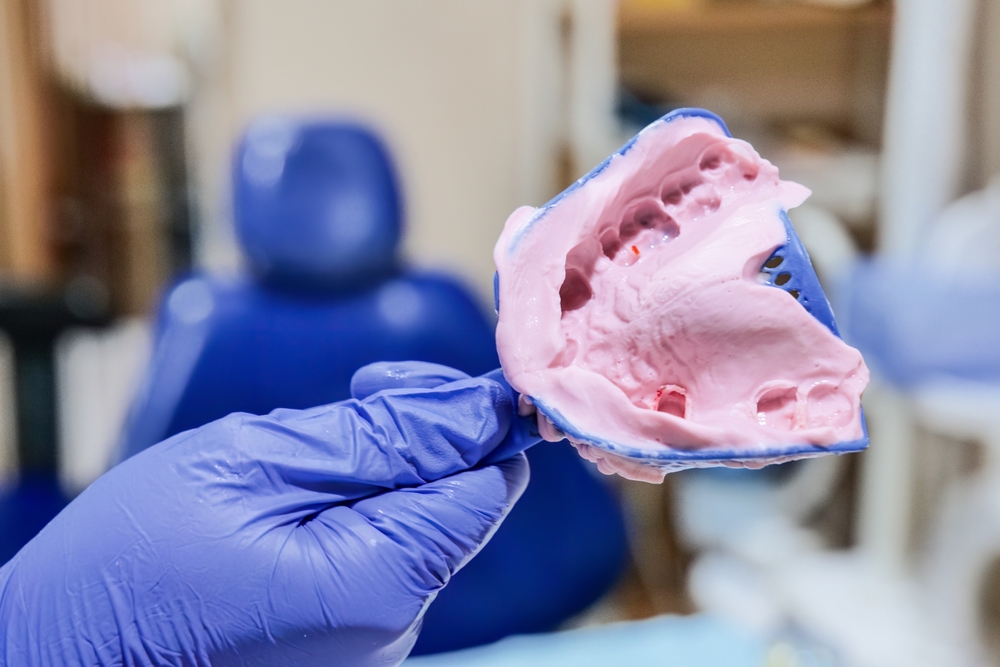
Dental impressions are records of your teeth, gums, and bite that help a dentist create restorations, appliances, and treatment plans that fit your mouth. A dental impression may be taken with soft material in a tray or with a digital scanner that captures a 3D image of your teeth.
Patients often ask about impressions before crowns, veneers, dentures, nightguards, whitening trays, or implant restorations. The process can sound uncomfortable if you picture a mouthful of thick putty, but many modern visits use digital scans instead.
Whiteman Dental Associatesin Brookline uses digital dentistry, CAD/CAM technology, digital X-rays, intraoral cameras, and an in-house approach for many restorations. That means impressions, scans, and design steps are handled with close attention to fit, comfort, and appearance.
Dental impressions are detailed copies of the mouth. They show the shape of the teeth, gums, bite surfaces, and nearby oral structures so a dentist or dental lab can make something that fits your mouth accurately.
A dental impression may be used to create:
The appointment is usually short. Traditional impressions may take a few minutes per tray once the material is seated. Digital impressions are captured with a small scanner and can often be completed quickly, based on the area being scanned.
Dental impressions are used whenever a dentist needs an accurate model of your mouth. Restorations and appliances must fit against your teeth, gums, and bite. A small error can affect comfort, chewing, speech, or how long the final result lasts.
For a crown, impression details help shape the restoration so it fits the prepared tooth and meets the opposing teeth correctly. For a denture, impressions help capture the gums, arch shape, and bite relationship. For a nightguard, impressions help create a guard that fits securely without feeling bulky.
Whiteman Dental Associates uses this kind of detail across restorative and cosmetic care, including same-day crowns, implant restorations, inlays, onlays, bridges, veneers, dentures, and nightguards.
Traditional dental impressions use a tray and dental impression material. The material may feel soft at first, then it sets while the tray is in your mouth. Once it is ready, the tray is removed, and the impression shows the shape of your teeth and gums.
Common materials include alginate and polyvinyl siloxane, often called PVS. Alginate is often used for study models, whitening trays, mouthguards, and some appliance planning. PVS is often used when a very detailed final impression is needed for restorations.
The tray can feel large, and the material may trigger a gag reflex for some patients. Breathing through the nose and staying still can make the appointment easier.
Digital impressions use a small intraoral scanner rather than a tray of putty. The scanner captures images of the teeth and creates a 3D model on a screen. Many patients prefer this because it can feel cleaner.
Whiteman Dental Associates uses CAD/CAM dentistry for many restorations. With CAD/CAM, a digital scan can help design a crown, veneer, inlay, onlay, bridge, or implant restoration. In many cases, the restoration can be designed and made in-house.
Digital scans are also useful because the dentist can review the model on-screen and adjust the scan during the same appointment if another view is needed.
How long do dental impressions take? Many traditional impressions take only a few minutes once the tray is placed, though the full appointment can be longer because the dentist may need to prepare the tooth, choose trays, check the impression, or take records of your bite.
Digital impressions may also be quick, especially when the dentist is scanning a small area. A full arch scan can take longer than a single tooth scan. The total time can change based on the treatment, the number of teeth involved, and how much detail the dentist needs.
A crown appointment may include tooth preparation before any scan or impression is taken. A denture appointment may involve more records because the gums and bite need careful planning.
A traditional impression feels like a tray filled with soft material pressed over the teeth. The material sets while you keep your mouth still. It should not be painful, but it can feel awkward.
Some patients notice pressure, a full-mouth feeling, or a brief urge to gag. The team can often help by positioning the chair, guiding your breathing, and removing extra material before the tray is seated.
A digital scan feels different. A small camera moves around the teeth without filling the mouth with impression material.
A dental impression kit is usually an at-home set that includes trays and impression material. Some companies use them for mail-order whitening trays, mouthguards, aligners, or other appliances.
At-home impressions can sound convenient, but they do not replace a dental exam. A dentist checks gum health, tooth position, bite, restorations, cavities, and other factors that shape appliance safety and suitability.
Poor impressions can lead to appliances that rub, fit loosely, or press on teeth incorrectly. A professional visit is the safer way to check what your mouth needs first.
A dental impression is a blueprint for whatever comes next. If the impression is distorted, the final crown, tray, denture, bridge, or guard may not fit well.
Fit affects comfort and function. A crown that sits too high can change the bite. A denture that lacks support may move during speaking or chewing.
Whiteman Dental Associates places close attention on detail because restorations should blend with the rest of your mouth. Shape, size, color, bite, and comfort all rely on accurate records.
Crowns, inlays, onlays, and bridges often need detailed records before they are made. The impression or scan shows the prepared tooth, nearby teeth, and the opposing bite.
Whiteman Dental Associates offers CAD/CAM dentistry, which can allow some restorations to be designed, milled, and placed in one appointment. Digital impressions support this process by creating a 3D model that guides the restoration design.
This can reduce the need for traditional putty impressions in many cases. It can also reduce waiting time for selected restorations because design and fabrication can happen in the office.
Dentures need careful impressions because they rest on gum tissue and must work with the muscles of the mouth. The fit affects stability, speech, chewing, and comfort.
Nightguards and mouthguards also rely on accurate impressions. A guard should fit closely enough to stay in place without creating sore spots or uneven pressure.
Whitening trays need a close fit so gel stays where it belongs. Orthodontic appliances may need records that show how the teeth relate to each other.
Most patients do not need special preparation before impressions. Tell the dental team if you have a strong gag reflex, jaw discomfort, anxiety, or trouble breathing through your nose.
For traditional impressions, the team may ask you to breathe slowly through your nose and avoid moving until the material sets. For digital scans, you may be asked to open, close, or bite in certain positions.
Share any concerns before the appointment so the team can adjust the visit where possible.
Dental impressions help your dentist create work that fits your teeth, gums, and bite. They may be taken with soft dental impression material or with a digital scanner, based on the treatment and the level of detail needed.
Whiteman Dental Associates uses digital dentistry and CAD/CAM technology, in-house restoration planning, and a boutique approach to help patients receive dental care that feels precise and personal. If you need a crown, veneer, denture, nightguard, implant restoration, or another custom dental treatment, accurate impressions can support a better fit.
Book an appointment at Whiteman Dental Associates today to discuss your treatment and find out which impression or scanning method is right for your smile.
Dental impressions are records of your teeth, gums, and bite. They help dentists create crowns, dentures, trays, guards, appliances, and treatment plans.
They are used for crowns, bridges, veneers, dentures, whitening trays, mouthguards, nightguards, implant restorations, and orthodontic appliances.
Traditional impressions often take a few minutes per tray after placement. Digital scans can also be quick, based on the area being captured.
Common dental impression material includes alginate and polyvinyl siloxane. Digital scans may replace putty impressions for many modern treatments.
A dental impression should not hurt. Traditional material can feel bulky, while a digital scan may feel easier for patients with gag reflex concerns.
A dental impression kit may be used by some mail-order services, but a dentist-led visit gives you an exam, bite check, and professional guidance.
Digital impressions can be faster and more comfortable for many treatments. Traditional impressions may still be useful for certain cases.
Your dentist needs an accurate record of your mouth so the final restoration or appliance fits your teeth, gums, and bite correctly.