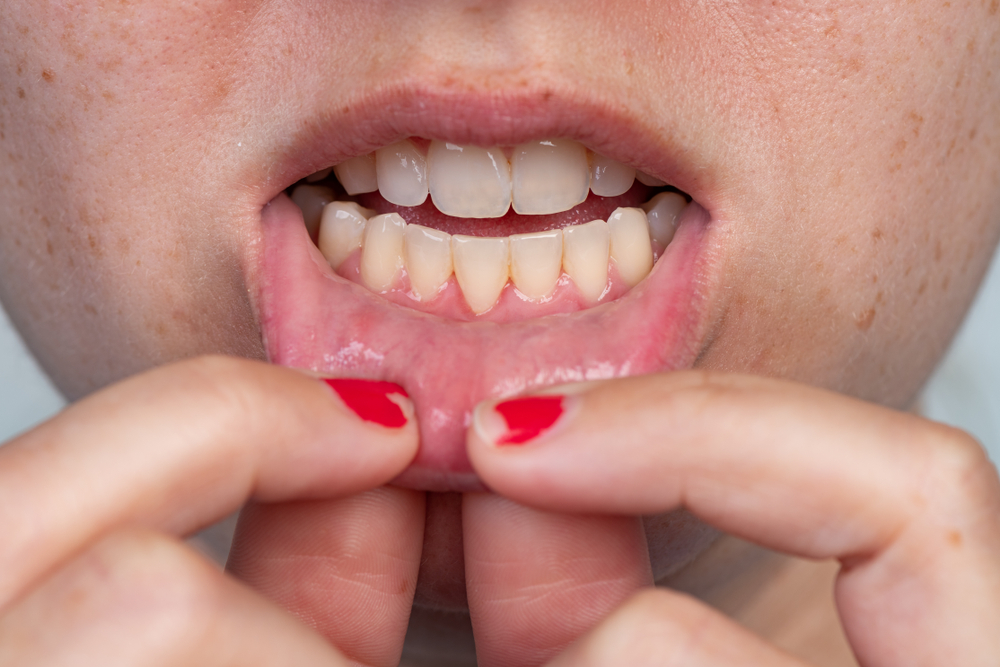


Porcelain veneers can make small cosmetic concerns feel much easier to address. A thin custom shell is bonded to the front of the tooth to improve its shape, shade, length, spacing, or to address minor wear. Since veneers are an investment in your smile, one of the first questions is usually about lifespan.
How long do porcelain veneers last? Many porcelain veneers last about 10 to 15 years, and some last longer with careful planning, strong bonding, healthy gums, regular dental visits, and good daily habits. Although veneers are durable and stain-resistant, they are not permanent. Over time, a veneer may chip, loosen, wear at the edge, or need replacement if the tooth underneath changes.
At Whiteman Dental Associates, porcelain veneers are planned with careful consultation, smile analysis, custom design, and attention to how the final result fits your face. The result should look natural on placement day and continue to function comfortably through everyday life.
Porcelain veneers can last many years when they are well planned, bonded carefully, and protected from unnecessary stress. In general, the lifespan range gives patients a helpful expectation, but each smile has its own risk factors.
Here are the key points to know.
Longevity is influenced by the tooth’s health, the bonding surface, the bite, the veneer material, and how the restorations are cared for at home.
Porcelain veneers arethin shells that cover the front surfaces of selected teeth. They can improve teeth that are stained, chipped, slightly uneven, worn, small, misshapen, or spaced.
Teeth veneers are usually considered cosmetic, but they still need to function within a real bite. For that reason, a veneer must look natural, bond securely, and withstand daily chewing forces. This is why design and fit matter so much.
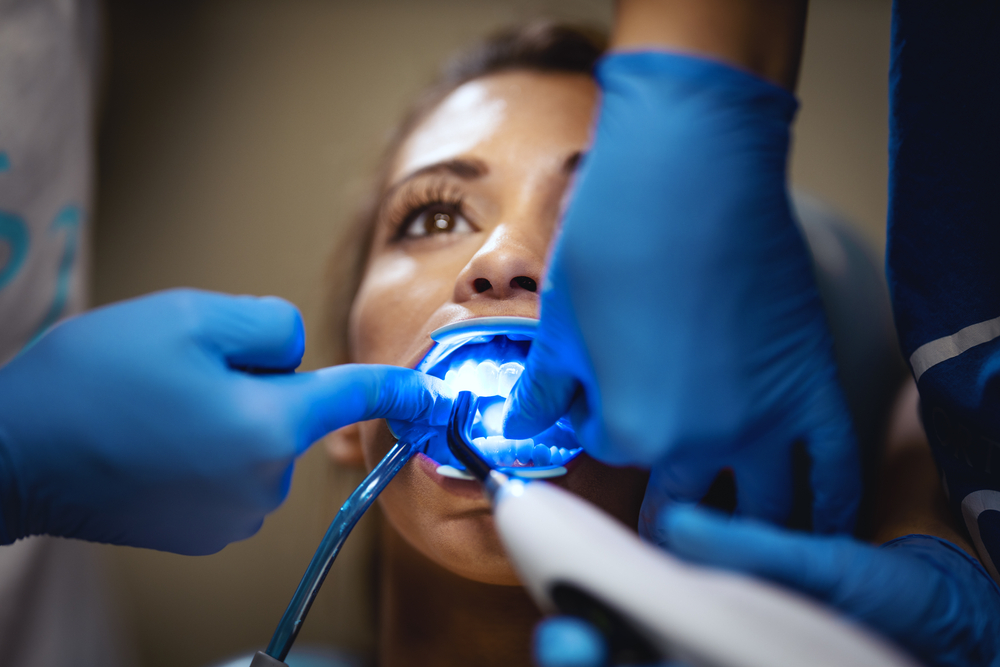
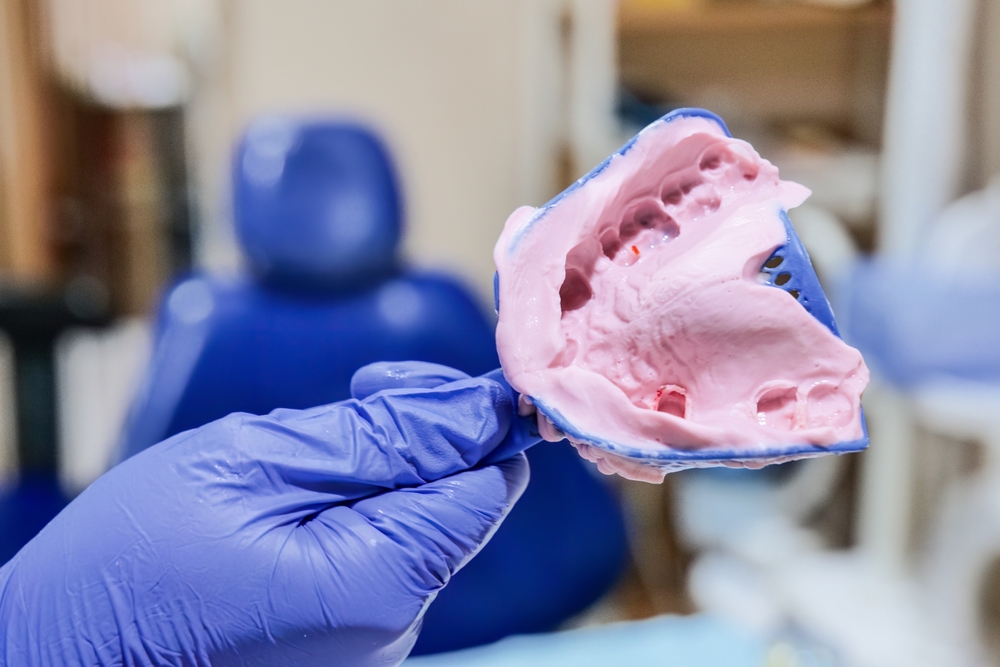
At Whiteman Dental, the veneer process includes consultation, smile analysis, custom design and preview, crafting the veneers, bonding, and final adjustments. Careful planning helps the veneers blend with surrounding teeth and facial features.
How long do porcelain veneers last on front teeth? Front teeth veneers can hold up well because they usually take less heavy chewing pressure than molars. Their main risk often comes from habits that place force on the thin edges.
Opening packaging with teeth, biting fingernails, chewing ice, or using front teeth to tear hard foods can stress veneers. Grinding and clenching can also place pressure on veneer edges, especially during sleep.
A nightguard may be recommended if you grind or clench your teeth at night. Protecting the veneers from repeated force can make a major difference in long-term stability.
The lifespan of porcelain veneers is best understood as a range rather than a fixed date. Research shows strong long-term performance for well-planned porcelain laminate veneers, but individual results change with bite forces, bonding, tooth health, and maintenance.
Clinical performance also relies on case selection. In addition, veneers tend to do better when the supporting tooth is healthy, the enamel bond is strong, the bite is balanced, and the patient avoids repeated stress on the porcelain.
Veneer lifespan is shaped by the foundation, bite, and daily habits over time. The better the foundation and habits, the better the chance of long-term success.
Porcelain is strong, but it can still chip or fracture under the wrong force. Biting hard objects is one of the quickest ways to damage a veneer. Chewing ice, pens, hard candy, or fingernails can put pressure on the thinnest part of the porcelain.
Grinding and clenching are also important. A patient who clenches heavily at night may accelerate veneer wear faster than expected. Without protection, edges can chip, or the bond can be stressed.
Poor oral hygiene can shorten the life of veneers, too. The porcelain itself cannot decay, but the natural tooth around it can. Decay near a veneer margin can lead to sensitivity, discoloration, leakage, or replacement.
Veneers should be cared for much like natural teeth. Brush twice daily with a soft toothbrush and non-abrasive fluoride toothpaste. Clean between teeth daily to prevent plaque from collecting along the edges of the veneers.
Keep regular dental cleanings and exams. Your dentist can check gum health, polish safely, inspect the margins, and look for early signs of wear. If a veneer edge feels rough or floss starts catching, schedule a visit rather than pulling hard.
Avoid using veneers as tools. Teeth are meant for eating, not opening bags, biting tags, or cracking shells. Small daily habits can have a big effect on how long veneers last.
Porcelain veneers resist staining better than natural enamel and composite bonding, but their edges can still discolor over time. Coffee, tea, red wine, tobacco, and heavily staining foods may affect the surrounding teeth or bonding margins.
If natural teeth darken while veneers stay the same shade, the smile can look uneven. This is one reason whitening is often discussed before veneers are made. Veneer color cannot be whitened with bleaching gel after placement.
Professional cleanings help keep the smile polished and allow your dentist to monitor shade changes.
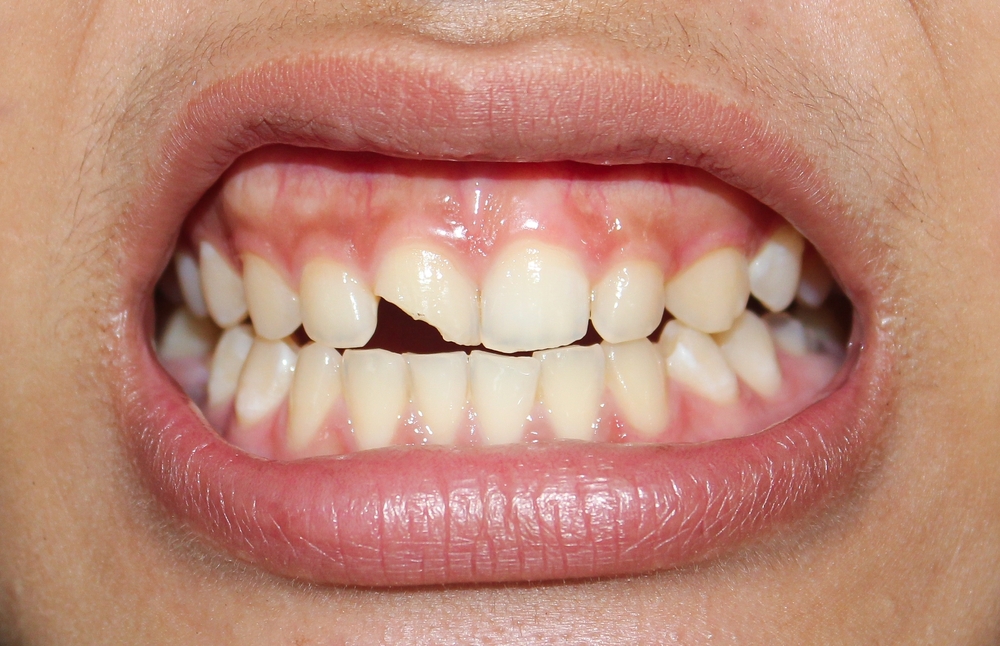
A veneer may need to be replaced if it cracks, chips deeply, debonds, or no longer seals well against the tooth. Gum recession can also expose edges that were once hidden, changing how the veneer looks.
Sensitivity, dark lines near the edge, roughness, bad odor near a veneer, or repeated floss shredding can be signs that the margin needs evaluation. A veneer that feels loose should be checked quickly.
Small chips can sometimes be smoothed or repaired, but replacement may be more reliable when damage affects the fit, bond, or appearance.
Porcelain veneers usually last longer than composite bonding and resist stain better. By contrast, bonding can be useful for small chips or minor shape changes, but composite resin tends to stain and wear sooner.
Crowns may be better when a tooth is heavily damaged, cracked, or already has a large filling. A crown covers more tooth structure than a veneer, so it is usually chosen for strength and restoration rather than a simple cosmetic front-surface change.
Whitening can improve tooth color but cannot change tooth shape, size, spacing, or worn edges. A consultation helps match the cosmetic option to the concern.
Before choosing veneers, ask how many teeth need treatment, how much enamel may be adjusted, and what shade will look natural. Ask how your bite will be checked and whether a nightguard is recommended.
It is also helpful to ask what maintenance will look like over the next decade. Veneers may need future replacement, so planning should include long-term care as well as the first result.
A preview or mock-up can help you understand shape and proportion before final veneers are made.
How long do porcelain veneers last? Many last for more than a decade, and long-term success usually comes from planning, bite protection, healthy teeth, and consistent care. Veneers are built to look natural and durable, but they still need the same attention you would give any important dental restoration.
Whiteman Dental Associates in Brookline offers porcelain veneers, focusing on consultation, smile analysis, custom design, careful bonding, and final adjustments to achieve a smile that suits you.
Call Whiteman Dental Associates today to schedule a consultation for porcelain veneers and discuss your goals, care routine, and long-term veneer plan.
Many porcelain veneers last about 10 to 15 years. Some last longer when the teeth, gums, bite, and bonding remain stable.
Front-tooth veneers need protection from habits such as nail-biting, chewing ice, opening packaging with the teeth, grinding, and clenching. A nightguard may help if nighttime pressure is a concern.
Porcelain veneers typically last over a decade for many patients, but the range changes with tooth health, bonding quality, bite forces, gum changes, and maintenance.
Veneer lifespan varies by material. Porcelain veneers often last longer than composite veneers and resist staining better.
Porcelain veneers are long-lasting but not permanent. Since enamel is usually adjusted for placement, future replacement is normally needed.
Yes. Teeth veneers can chip if exposed to hard biting forces, trauma, grinding, or habits such as chewing ice or fingernails.
Porcelain resists staining well, but margins and nearby natural teeth can discolor. Dental cleanings help keep the smile polished.
Brush, floss, attend dental visits, avoid hard-object chewing, wear a nightguard if advised, and report roughness, looseness, or sensitivity early.