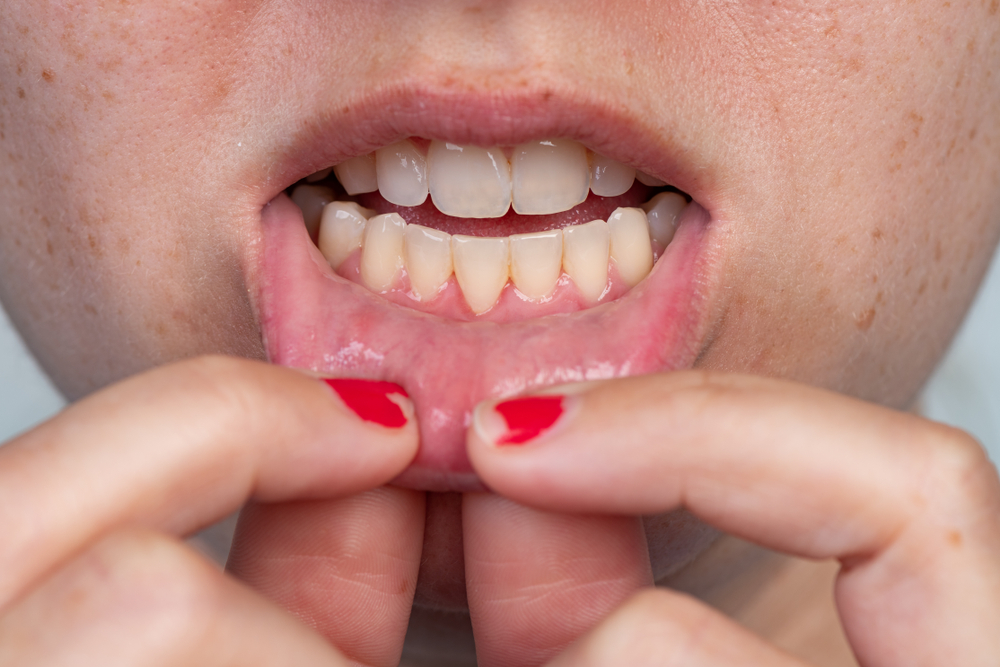


An oral biopsy can sound worrying, especially if your dentist has found a spot, sore, patch, lump, or change in the mouth that needs closer review. The word biopsy often makes people think of serious conditions, but the purpose is straightforward: a small tissue sample is taken for closer examination and accurate diagnosis.
An oral biopsy may be recommended for a lesion on the tongue, cheek, gums, palate, lips, or another area of the mouth. Some changes are harmless irritation. Others may be infection, inflammation, cysts, precancerous changes, or oral cancer. A biopsy helps move the concern from uncertainty to a clearer diagnosis.
At Whiteman Dental Associates in Brookline, biopsy of oral lesions supports gentle, precise diagnosis and long-term oral health. Good preparation can make the appointment feel calmer and help you understand what happens during the procedure, what to eat afterward, which warning signs to watch for, and when results may be available.
An oral biopsy removes a small piece of tissue for laboratory analysis. Preparation usually includes reviewing your medical history, medications, allergies, bleeding risks, and aftercare instructions before the appointment.
Here is an overview of oral biopsy preparation.
Tell your dentist about medical conditions, past surgeries, healing issues, bleeding concerns, immune conditions, and any recent health changes. Ask what they want you to monitor or report before the biopsy.
Bring a full list of prescriptions, over-the-counter medications, vitamins, and supplements. Ask which ones to continue, pause, or mention before the procedure, since blood thinners, diabetes medications, anti-inflammatory drugs, and certain supplements may affect bleeding or healing.
Some oral biopsy appointments allow normal meals beforehand, especially when local anesthetic is used. Sedation or anxiety medication may change eating and drinking instructions, so confirm this before your visit.
Stock up on soft, mild foods before the appointment so you do not have to shop while your mouth is tender. Ask what foods are best for the first day or two of healing.
Before you leave the appointment, ask when oral biopsy results are usually ready and how the office will contact you. This can make the waiting period feel clearer.
If sedation or anxiety medication is part of your appointment, plan for someone to drive you home. Confirm with your dental team whether this applies to your visit before you arrive.
Your dentist will give instructions based on the biopsy site, procedure type, and your health history. Follow those instructions and ask what to do next if anything is unclear.
An oral biopsy may be recommended when a mouth lesion does not heal, changes in size or color, bleeds easily, feels firm, causes discomfort, or looks unusual. Red patches, white patches, mixed red and white areas, ulcers, lumps, and persistent sores may need further evaluation.
Not every lesion is cancer. Many oral lesions are benign. A biopsy is used because visual examination alone cannot always confirm the nature of a lesion. The tissue sample allows a pathologist to examine cells under a microscope.
An oral cancer biopsy may be discussed if the appearance, history, or risk factors raise concern. Early diagnosis can support better planning and faster next steps if treatment is needed.
Before the procedure, ask what type of biopsy is planned and where the tissue sample will be taken. Your dentist can explain whether the whole lesion or a small portion will be removed.
Ask how long the visit may take, what kind of numbing will be used, and whether stitches are expected. You can also ask if you should eat before the appointment, take your usual medications, or avoid certain products.
Bring a list of prescriptions, over-the-counter medications, vitamins, supplements, and allergies. Blood thinners, diabetes medications, immune conditions, heart conditions, and past healing problems should be discussed before treatment.
The oral biopsy procedure can vary. The appropriate method is selected based on the lesion’s size, location, appearance, and suspected cause.
An incisional biopsy removes a small portion of the lesion. This may be used when the area is larger or when only a representative sample is needed for diagnosis.
An excisional biopsy removes the entire lesion, often with a small border of nearby tissue. This may be used for smaller lesions when complete removal is practical.
A punch biopsy uses a small circular tool to remove a tissue sample. It may be used for certain soft-tissue lesions, depending on the location and clinical need.
Your dentist will choose the method that provides the lab with a useful sample while preserving comfort and function.
The day before your oral biopsy, review the instructions from your dental team. Confirm the appointment time, location, medication guidance, and payment or insurance details.
Eat normally unless you were told otherwise. If sedation is planned, fasting instructions may differ; follow the directions for your specific appointment.
Avoid alcohol before the procedure if your dentist advises it. Try to get a good night’s sleep. If anxiety is high, call the office rather than arriving unsure. A quick conversation can help clarify what will happen and what comfort measures are available.
Wear comfortable clothing and arrive with enough time to complete paperwork. Brush your teeth gently before the visit, unless you were told not to. Bring your medication list and any questions you want answered before the procedure begins.
If local anesthetic is used, the area will be numbed before tissue is removed. You may feel pressure, movement, or vibration, but the goal is to keep the procedure comfortable.
If sedation or anxiety medication is part of your plan, arrange transportation as instructed. Do not drive yourself if your dental team says you need a ride.
After the tissue sample is taken, the site may be closed with stitches or allowed to heal naturally. A small amount of bleeding, swelling, soreness, or tenderness can be normal after a biopsy.
Your dental team may place gauze and ask you to apply gentle pressure. Follow instructions about rinsing, brushing, eating, and activity. Many post-biopsy instructions advise avoiding forceful rinsing, spitting, smoking, alcohol, hot foods, sharp foods, or strenuous activity for the early healing period.
Pain control instructions will be based on your health history and the procedure. Take medication only as directed.
What to eat after oral biopsy treatment matters because the area can be tender, numb, or healing. Soft, cool, mild foods are usually easier during the first day or two. Avoid chewing directly on the biopsy site while it heals.
Soft, mild foods are usually easier while the biopsy site is tender. Good choices often include:
Some foods and drinks can irritate the area, disturb healing, or feel uncomfortable while your mouth is sore. Avoid these at first:
Stay hydrated and do not skip meals. Eating enough helps the body heal, but comfort should guide your choices. If numbness remains after the appointment, wait until feeling returns before chewing so you do not bite your cheek, tongue, or lip.
Most oral biopsy sites heal without infection, but it is important to know what is not typical. Mild soreness, small swelling, or slight bleeding can happen early. Symptoms that worsen rather than improve should be checked.
Signs of infection after an oral biopsy may include worsening pain, worsening swelling, pus, fever, a bad taste, spreading redness, warmth around the area, or bleeding that does not settle with pressure. Trouble swallowing, trouble breathing, or rapidly spreading facial swelling needs urgent medical care.
Call Whiteman Dental Associates if your healing feels unusual or if symptoms are getting worse after the first couple of days.
How long do oral biopsy results take? Many biopsy results return within several days to two weeks, but timing can vary based on the lab, specimen type, and whether extra testing is needed.
Waiting can feel stressful. Ask before you leave how results will be shared and who will contact you. Your dentist may schedule a follow-up visit or phone call to review the pathology report.
If the result is benign, the next step may be monitoring or healing care. If further treatment is needed, your dentist will explain the recommendation and referral pathway.
Oral biopsy costs can vary based on the type of biopsy, the location of the lesion, anesthesia, lab fees, pathology review, insurance plan, and follow-up needs. A small soft-tissue biopsy may be priced differently from a more involved procedure.
Coverage can also vary. Some oral biopsies may be billed to dental, medical, or both insurance plans, depending on the procedure’s reason and the plan’s rules. If the biopsy is related to suspected disease, medical review may be involved.
Ask the office to review the estimate, possible lab charges, and insurance submission process before the appointment. A clear estimate can help reduce uncertainty.
An oral biopsy is recommended when a mouth lesion needs a closer look. Preparation is mostly about clear communication, accurate health information, aftercare planning, and knowing what to expect before and after the appointment.
Whiteman Dental Associates in Brookline provides biopsy of oral lesions with a focus on gentle care, precise diagnosis, and long-term oral health. If you have a sore, patch, lump, or mouth change that has not healed, getting it checked can give you the answers needed for the right next step.
Call Whiteman Dental Associates today to schedule an oral biopsy consultation or ask about biopsy preparation, aftercare, results timing, and coverage questions.
An oral biopsy is a procedure where a small tissue sample is taken from the mouth and sent to a lab for diagnosis.
Share your medical history, medication list, allergies, bleeding concerns, and questions before the appointment. Follow any eating, medication, or ride instructions given by your dental team.
Some oral biopsies may be covered by medical insurance if they are medically necessary. Coverage varies by plan, diagnosis, billing rules, and documentation.
Medicare does not usually cover routine dental care, but medically necessary biopsies related to diagnosing disease, including oral cancer, may be covered. Plan details matter.
Many oral biopsy results return within several days to two weeks. Extra testing, lab processing, or specialist review can change the timing.
Increasing pain, worsening swelling, pus, fever, bad taste, spreading redness, warmth, or bleeding that will not settle should be reported.