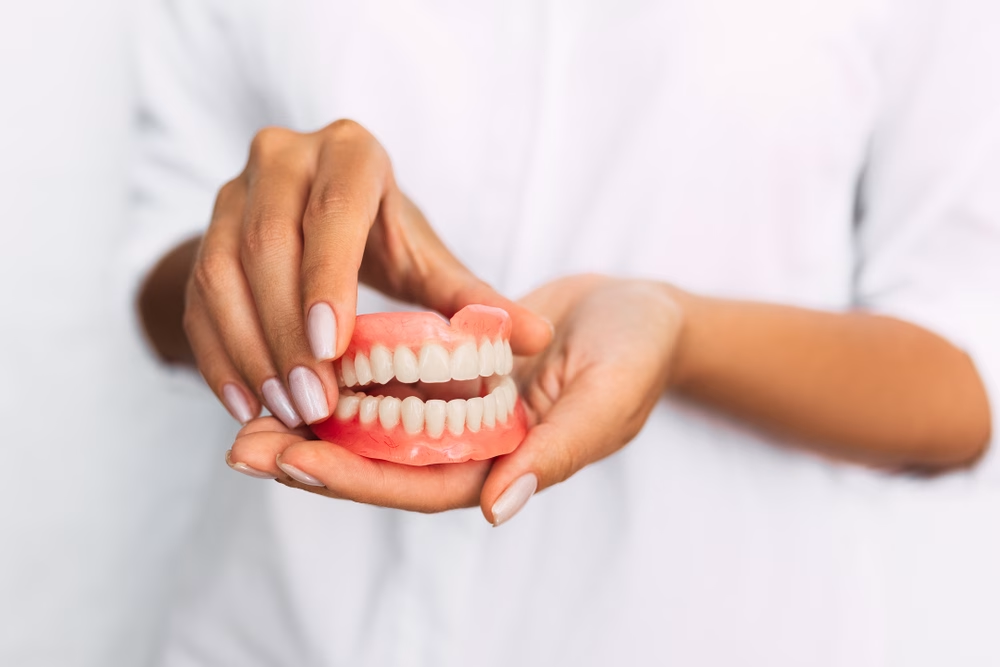
Patients often ask us about the materials used in dentures. The sort of thing I love about modern dentures is their construction from acrylic resin – a high-quality plastic material that offers both durability and a natural look. At Whiteman Dental Associates, this versatile material serves as the foundation for most dentures we create.
The denture’s base or “plate” uses polymethyl methacrylate (PMMA), and the teeth are crafted from acrylic resins or porcelain. On top of that, it’s common to combine metal and plastic to strike the perfect balance between comfort and durability. Your denture teeth can last 5 to 10 years with proper care and regular maintenance. In this piece, you’ll learn about denture construction, differences between porcelain and acrylic options, and the best material choices for your needs. If you’re thinking about false teeth or just curious about fake teeth materials, we’ve put together all the essential information about modern denture materials.
Your denture base acts as the foundation for your replacement teeth. Our team at Whiteman Dental Associates picks specific materials that match your dental needs, budget, and comfort requirements.
Polymethyl methacrylate (PMMA) has led the denture industry since the 1940s. The National Institute of Health ranks this plastic-like material as the most popular choice for denture bases. PMMA brings several benefits – it’s lightweight, comfortable, and simple to adjust and repair. The material comes in different shades to match your natural gum color. Our practice uses acrylic resin in every step of making dentures – from custom impression trays to the final prosthesis. These dentures need replacement every 5-7 years and might wear down with regular use.
Chrome-cobalt alloy makes partial dentures strong and durable. This light alloy metal creates a framework that holds artificial teeth and won’t irritate your gums. Chrome-cobalt partial dentures are thinner than full acrylic ones. They distribute heat better for more comfort and stay in place better. These features give patients confidence while eating or speaking. The downside is their higher cost and difficulty in adjusting if your mouth’s shape changes over time.
Flexible dentures made from thermoplastic nylon materials work great for people with sensitive gums. These dentures bend slightly to fit your mouth’s shape. You won’t need metal clasps, which makes them look more natural. Valplast, the most common version, is both durable and attractive. It blends naturally with your gums and teeth. Flexite is another option that works well for people with very sensitive gums. These dentures rarely break during normal use, giving you both comfort and long-lasting performance.
Your denture’s artificial teeth make a huge difference in how they work and look. Whiteman Dental Associates gives you two main choices for denture teeth materials. Each option comes with its own benefits.
Dentists have trusted porcelain for denture making over many decades. Most people think porcelain breaks easily, but dental-grade porcelain is tough. These teeth can be even stronger than natural enamel. Light bounces off porcelain teeth just like natural ones, which creates a realistic look that patients love. These teeth won’t stain and hold up well against wear. Many patients who care about looks choose porcelain because it stays beautiful year after year.
Today’s denture teeth use acrylic resin or advanced polymer materials that work really well. These materials weigh less and bond perfectly with acrylic denture bases. This strong bond means the teeth rarely come loose from the base. When repairs are needed, plastic polymer teeth are much easier to fix. People used to think these teeth didn’t look as good as porcelain. Now, the new multi-layered, opalescent synthetic teeth look even better than porcelain. These newer materials are stronger and cost less than porcelain.
Denture teeth usually last between 5 and 10 years. Their lifespan depends on the material quality and your care routine. Porcelain teeth tend to last longer – about 10 to 15 years with good care. Polymer teeth might need replacement sooner but are easier to maintain. Your denture teeth will last longer if you clean them daily with proper denture solutions. Stay away from harsh cleaners and visit us regularly. We’ll spot wear issues early before they become real problems.
Patients at Whiteman Dental Associates often ask about choosing between porcelain and acrylic dentures. We help them weigh the key factors to find their perfect match.
Porcelain dentures excel in hardness and handle heavy chewing pressures well. Acrylic dentures might not be as tough overall, but they rarely break suddenly. Porcelain teeth last 5-10 years on average, while acrylic teeth typically serve 5-7 years.
The denture base forms a chemical bond with acrylic teeth, which creates a reliable connection. Porcelain teeth need mechanical attachments like small holes or pegs, making them more likely to separate from the base.
Your jawbone faces heavy pressure from porcelain during chewing, which could lead to bone loss as time passes. That’s why many dental professionals suggest acrylic dentures when patients show signs of bone loss.
Bacteria struggle to grow on porcelain’s smooth, hard surface, which makes cleaning a breeze. Acrylic dentures have tiny grooves where bacteria like to hide, so they need extra attention during cleaning.
Both materials resist staining equally well, with no real difference between them.
Acrylic dentures cost less than their porcelain counterparts. They work just as well despite the lower price tag, making them a smart choice for budget-conscious patients.
New technology keeps changing the materials we use to craft dentures at our practice. Our dental team loves sharing these breakthroughs that make dentures fit better, feel more comfortable, and last longer.
CAD/CAM technology has changed the way we create dentures. Digital scans create dentures that fit better than traditional methods, with mean adaptation discrepancies of only 0.15mm compared to 0.45mm for conventional techniques. Patient satisfaction scores show better results (8.5/10 versus 6.8/10) with these digitally-designed prosthetics. The best part? We can complete CAD/CAM dentures in just 2-4 visits instead of the usual five sessions.
Patients with sensitive tissues benefit from flexible denture materials. Thermoplastic resins provide a snug fit and reduce irritation. The new 3D-printed flexible resins like dx denture flex don’t need metal clasps but still maintain a precise fit and natural look. These materials follow your mouth’s natural contours while staying remarkably strong.
Hybrid dentures blend titanium’s strength with acrylic’s beauty. This design uses a smaller metal framework that connects denture teeth and acrylic. The construction reduces chewing forces and creates a lightweight restoration that looks great and lasts long.
Knowing about denture materials is vital when you’re thinking over this dental solution. Modern dentures at Whiteman Dental Associates use several key components. Acrylic resin leads the way as the main base material because it’s versatile and comfortable. Chrome-cobalt alloys give better strength to partial dentures, while flexible nylon works great for patients with sensitive gums.
Denture teeth come in both porcelain and acrylic versions, each with their own benefits. Porcelain teeth are definitely stronger and look better, but they can put more pressure on your jawbone. Acrylic teeth don’t last as long, yet they stick better to denture bases and usually cause less bone loss as time goes by. Your choice will depend on your needs, budget, and oral health.
Technology has boosted denture quality and comfort by a lot. Our CAD/CAM technology creates precision-fit dentures with fewer visits. The combination of flexible resins and hybrid metal-acrylic frames gives you more comfort without losing durability or looks.
Your dentures should last 5 to 10 years with good care. Regular checkups at our practice help catch wear problems early and extend your dentures’ life.
Dentures do more than replace teeth – they give back confidence, make life better, and keep your mouth healthy. Our Whiteman Dental Associates team helps find your perfect denture solution using these modern materials and new techniques. This piece should help you learn about these vital dental prosthetics, whether you’re new to dentures or ready to upgrade your current set.
Patients at our Brookline office often ask questions about denture materials. Here are the answers to common questions we receive at Whiteman Dental Associates.
Absolutely. We offer metal-free options like flexible nylon dentures or specially formulated acrylics for patients with allergies or sensitivities. These materials minimize allergic reactions.
The best material choice depends on your budget, jaw structure, remaining teeth, lifestyle, and personal priorities. We’ll explore these factors during your consultation to find the perfect match for you.
You’ll need time to adjust your speech with any denture material. Thinner materials like chrome-cobalt tend to interfere less with pronunciation compared to thicker acrylic options.
Each material needs specific care. Acrylic dentures require daily soaking in appropriate solutions. Metal components shouldn’t be cleaned with certain solutions that could cause corrosion. We’ll give you detailed care instructions based on your denture type.
Yes. Traditional dentures’ metals or acrylics can cause reactions in some patients. We recommend hypoallergenic options like flexible nylon or specialized non-allergenic acrylics in these cases.