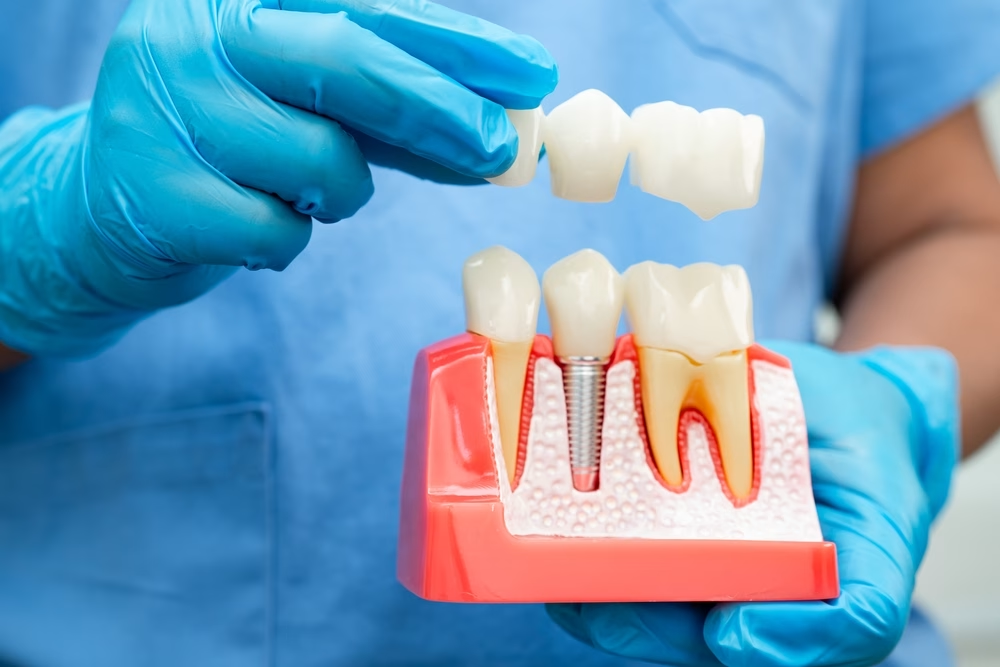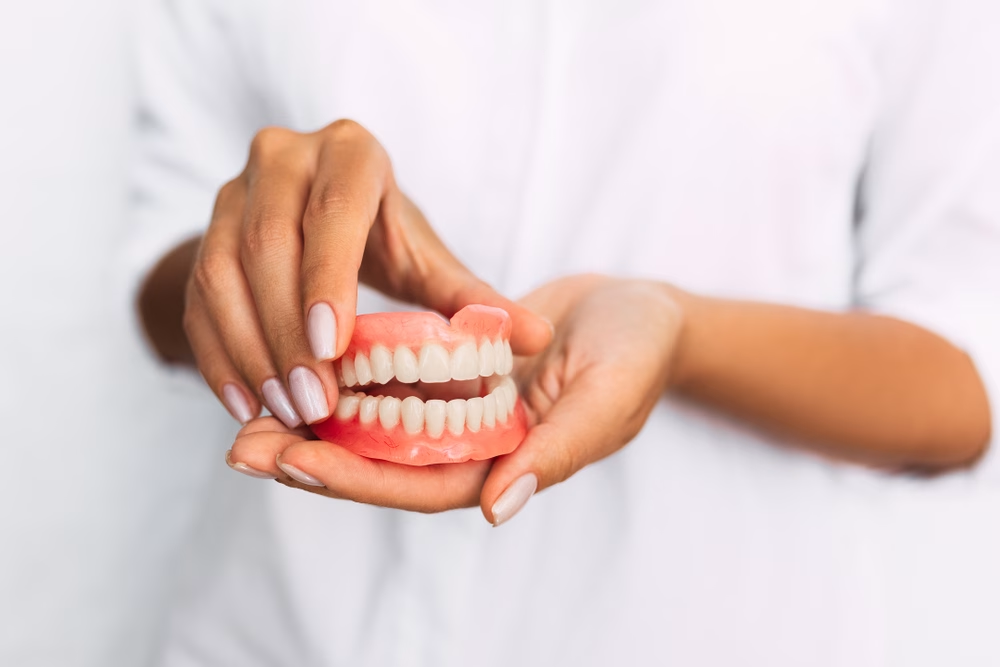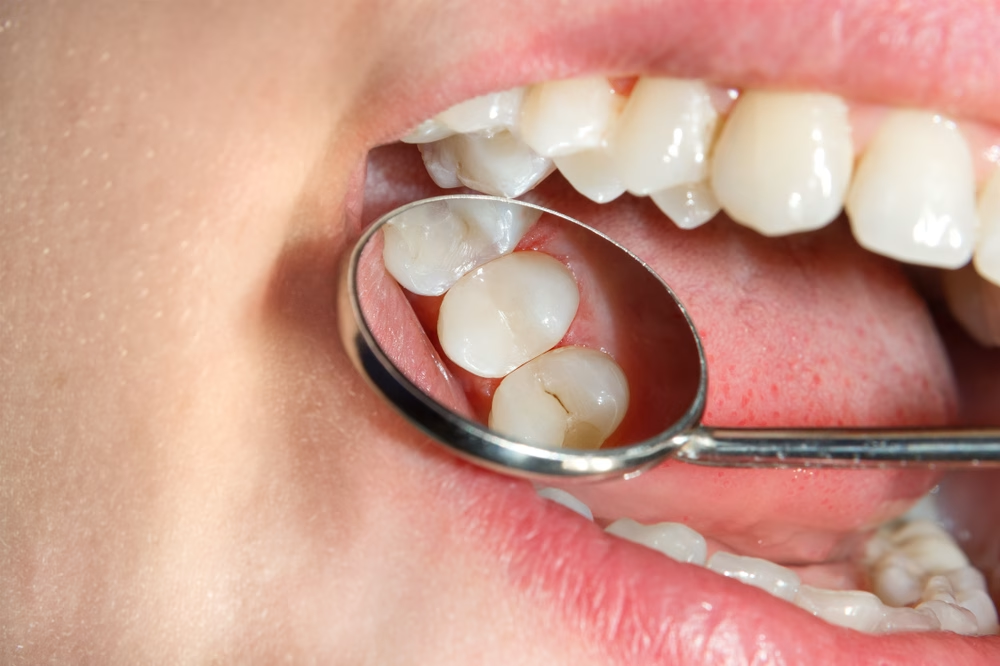
Dental composite fillings have transformed modern tooth repair by providing a natural-looking alternative to traditional options. Our team at Whiteman Dental Associates has seen that dental patients now prefer composite fillings over traditional metal alloy fillings. This makes sense because the composite material matches your tooth’s shade perfectly and becomes undetectable to others.
What exactly are composite fillings and why should you call them a great choice? These fillings combine durability and affordability while creating a strong bond with your tooth’s enamel. The filling composites have become the standard treatment for small to medium-sized cavities. They work just like traditional fillings but restore teeth to their original appearance. Composite resin fillings last 7-10 years with proper care, and their esthetic benefits make them a top choice for modern tooth repair. In this piece, we’ll explore different types of tooth fillings, explain composite filling procedures, identify ideal candidates, and address common questions about this preferred dental restoration option.
We place composite fillings at Whiteman Dental Associates to help patients who need both functional and beautiful dental restorations. Our patients make better decisions about their dental care when they know what these fillings are and how they work.
Composite resin fillings are tooth-colored dental restorations that repair cavities, cracks, and fractures in teeth. These modern alternatives blend naturally with your natural tooth structure, unlike traditional metal fillings. You can get dental composite customized for your specific needs. These fillings look natural in your smile because we create them to be invisible.
Dental composite fillings have become popular because they restore both function and appearance at the same time. They look much better than metal alternatives, which makes them perfect for visible teeth.
Two main components make up composite fillings: plastic (acrylic) resin and powdered glass filler. This mix creates a strong, durable material that matches your tooth’s natural contours.
The scientific makeup has synthetic resins like Bis-GMA and other dimethacrylate monomers (TEGMA, UDMA, HDDMA), mixed with silica as a filler material. The resin would wear down quickly and shrink too much without the glass filler. The filler makes the material stronger, more resistant to wear, and better at matching tooth color and transparency.
Your dentist starts the bonding process by applying a special etching solution. This creates tiny irregularities (5-30 micrometers deep) on your tooth’s surface. A bonding agent creates a chemical link between your tooth structure and the composite material after this preparation.
The composite resin goes on in thin, precise layers. A specialized ultraviolet light hardens each layer. This triggers a chemical reaction in the components that makes the soft material hard and firmly bonded to your tooth. We use this layering technique to make sure the filling cures properly throughout.
These fillings bond directly to the tooth structure chemically, unlike traditional fillings that just sit in the cavity. This direct bonding gives your tooth extra support and creates a tight seal. The seal helps stop bacteria from getting in and causing more decay.
A comparison of dental fillings at our practice shows each material has its own benefits for specific clinical situations.
Amalgam fillings mix several metals including mercury (50%), silver, tin, and copper. These traditional “silver” fillings can last 10-15 years and cost less than other options. The composite resin fillings are a great choice for patients wanting a natural look since they match your tooth’s color perfectly.
Many patients ask about mercury in amalgam fillings. Scientific evidence shows both amalgam and composite fillings are equally safe. Composite fillings have another advantage – they need less drilling of healthy tooth structure compared to amalgam.
Gold fillings excel in longevity and can last 15-30 years. They work great for patients who grind their teeth. These custom-made restorations don’t corrode, but they do cost more.
Ceramic (porcelain) fillings give you both looks and durability, lasting about 10-15 years. They resist staining really well, but they’re more brittle than composites and usually cost twice as much as gold fillings.
Glass ionomer cements have something special going for them – they release fluoride over time, which helps prevent new cavities. This makes them a great choice for patients with high cavity risk.
The downside is that glass ionomers aren’t as strong or wear-resistant as composite fillings. We mainly use them for temporary fixes, neck-area cavities, or children’s teeth. Composite materials last longer, look better, and work well in more situations. That’s why we often recommend them for visible areas and medium-sized cavities.
We at Whiteman Dental Associates want our patients to know the good and bad of dental composite fillings before they decide what’s best for them.
Our patients love how natural composite resin fillings look. These fillings match your natural teeth’s exact shade, making them blend in perfectly with your smile. This benefit becomes especially important when you have visible teeth. You can speak and smile with confidence because no one will notice your dental work.
The most important benefit comes from saving healthy tooth structure. You need less drilling with composite fillings compared to amalgam options. They create a direct bond with your tooth’s enamel and dentin. This helps strengthen any weakened tooth structure instead of just filling empty space. The chemical bond provides excellent support for your remaining tooth.
Composite fillings usually last 5-10 years when properly cared for. Their lifespan depends on where they’re placed, their size, how well you take care of your teeth, and what you eat. While they don’t last as long as amalgam fillings (10-15 years), many patients think the natural look is worth it.
You’ll pay more for composite fillings than amalgam ones. The procedure takes longer because your tooth must stay completely dry during placement. The fillings might also stain from coffee, tea, or tobacco, which can change how they look over time.
Several factors determine if composite fillings will work for you. Our practice assesses each patient’s specific needs to recommend the best dental solution.
Composite teeth filling works best for patients with small to medium-sized cavities. You’re an ideal candidate if you experience tooth decay symptoms like toothache, tooth sensitivity, or visible white/brown spots on your teeth. These dental composite fillings repair damaged, chipped, or cracked teeth effectively. Many patients ask us to replace their amalgam fillings with composite resin alternatives.
Composite filling dental options make the best choice where appearance matters. Composite fillings contain no mercury, unlike amalgam’s 50% mercury content, which makes them a safer choice for patients worried about metal in their dental work. The direct bonding to the tooth surface needs less drilling and preserves more natural tooth structure.
Composite resin fillings are the top choice for front teeth because they match natural tooth color and translucency perfectly. These fillings show an impressive 87% success rate over 7 years in front teeth. Back teeth experience stronger bite forces, which makes durability a crucial factor in these areas.
Composite fillings are the top choice for modern tooth repair at Whiteman Dental Associates. These tooth-colored restorations bring important benefits over traditional options and give excellent esthetic results. Our patients love how these fillings blend naturally with their teeth. The dental work becomes almost invisible to others.
As we’ve explained, composite fillings work through a unique bonding process that needs less drilling and saves more of your natural tooth structure. Plus, their mix of acrylic resin and glass filler creates a strong restoration that lasts 5-10 years with good care. They might cost more than amalgam options, but many patients find the better looks are worth the extra investment.
Composite fillings work best for patients who have small to medium-sized cavities, particularly in front teeth where looks really matter. People worried about mercury in traditional fillings can feel safe knowing that composites are completely metal-free.
We know patients make better choices about their dental care when they have good information. Book a consultation at our Brookline office to learn if composite fillings suit your needs. Our team will check your teeth, answer your questions, and help you pick the best restoration option for your oral health and smile confidence. Your smile deserves the finest care with materials that bring together function, durability, and natural-looking results.
Our Brookline office patients often ask us about dental composite filling options. These are the most common questions we get from our patients:
Composite teeth fillings last 5-10 years with proper oral hygiene. Our regular checkups help monitor their condition and extend their lifespan.
The procedure is comfortable. We numb the area completely before starting. Our patients feel some pressure but no pain during the treatment.
Most insurance plans cover these fillings. Coverage varies by provider and plan type. Our staff will help verify your benefits before treatment.
Good oral hygiene through daily brushing and flossing is essential. You should also avoid biting hard objects like ice or pens that could damage the filling.
Yes! Many patients choose to replace their old amalgam fillings with tooth-colored alternatives. The results look natural.
Regular dental checkups every six months are enough. These visits let us check your dental work’s condition thoroughly.
Composite resin fillings are completely safe. These fillings contain no mercury or other metals that might worry some patients.