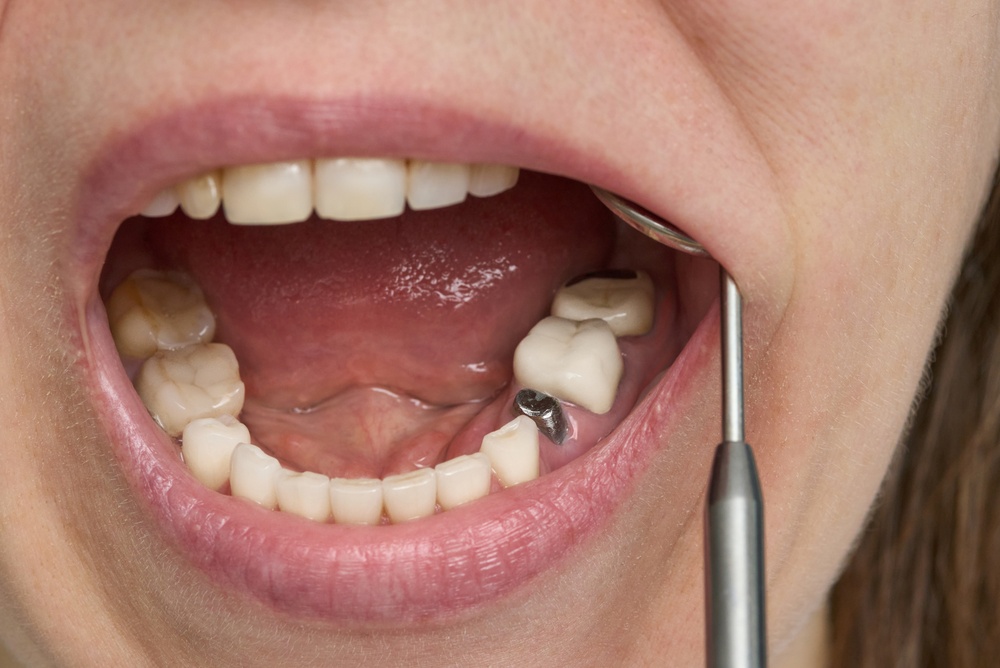


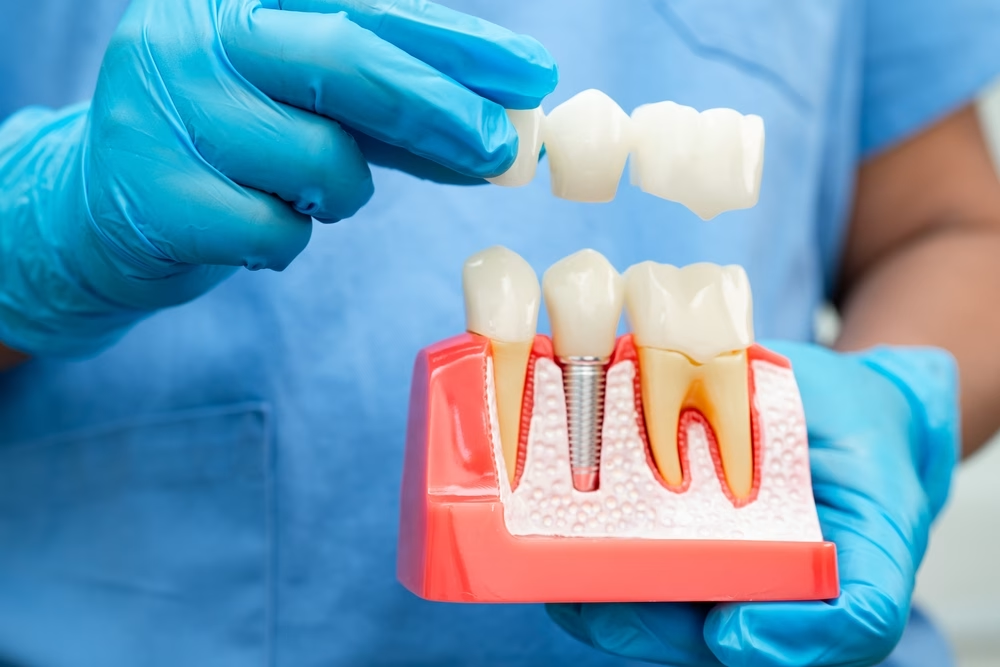
Pain during dental implants is definitely one of the most common questions patients ask at our practice. Dental implants remain the #1 recommended restoration for missing teeth, and experts design them to be a permanent tooth replacement solution. Many patients feel anxious about what it all means during and after the procedure.
The procedure’s reality might surprise you – most patients find dental implant surgery easier than tooth extraction. Pain comes with dental implants, but patients can manage it well and it doesn’t last long. You’ll likely return to your regular activities just a day after surgery. Patients typically experience some discomfort for up to 10 days following the procedure, though it often eases sooner. This piece will walk you through what to expect during each treatment and recovery phase if you’re thinking over dental implants but worry about discomfort.
Many of our patients at Whiteman Dental Associates feel more at ease once they understand the dental implant process. Our patients often ask, “Do dental implants hurt during procedure?” The procedure is usually more comfortable than most people expect.
Our Brookline practice follows these carefully planned stages for dental implants:
Patient comfort is our top priority at Whiteman Dental Associates. We provide several options to ensure you don’t feel pain:
Local anesthesia numbs the surgical area completely. If you have anxiety, we also offer:
Complex cases or high anxiety patients can opt for general anesthesia to sleep through the procedure.
You won’t feel pain during implant placement. With proper anesthesia, patients usually experience:
Dr. Whiteman keeps you informed throughout the procedure to ensure your comfort. Most patients find the procedure much more comfortable than they first expected.
Your body needs time to heal after dental implant surgery at Whiteman Dental Associates. Many patients ask us about post-procedure pain. Here’s what you can expect during recovery.
The most intense pain occurs within the first 24-48 hours after surgery. Research indicates that patients feel more pain 24 hours after the implant procedure compared to right after surgery. Most patients rate their discomfort between 2-4 on a 10-point scale during this time. The data shows 35.77% of patients report mild pain while 11.68% experience moderate pain after 24 hours.
Pain comes with swelling that reaches its peak 48-72 hours after surgery. Your body creates this swelling as part of its natural healing process. Bruising might appear on your cheek and jawline a day or two after the procedure. Many patients feel pressure around the implant site, which differs from acute pain.
Discomfort should start decreasing by day 3-5. Our patients at Whiteman Dental usually feel almost normal after 7-10 days. The implant site might remain tender to touch. All the same, most pain should disappear within this period.
Dr. Whiteman needs to know if:
The team at Whiteman Dental Associates prioritizes your comfort during recovery. Dr. Whiteman gives you a full picture of post-operative care and suitable pain management options.
Our patients at Whiteman Dental Associates often ask about what they can expect during their dental implant recovery. The process has multiple stages and timeframes that we’ll explain here.
Dental implant surgery recovery happens in clear phases. Your gums will heal within days, but complete healing needs time and patience. The key process—osseointegration, where your jawbone fuses with the implant—usually takes 3-6 months. Some patients might need up to 9 months to heal fully, depending on their individual factors.
You’ll likely be back at work within 1-3 days after surgery. Normal eating can resume in about two weeks. You can start light physical activities right away, but we suggest you wait at least 3 days before any strenuous exercise or lifting anything over 20 pounds. Most regular activities should feel comfortable after the first month.
Your recovery time depends on several key factors:
Dr. Whiteman will see you for your first check-up about ten days after surgery to check how you’re healing. You’ll then have appointments at 2-3 months to see how well your implant is integrating. These check-ups help us make sure everything’s going well and let us address any issues early.
Dental implant procedures usually succeed, but some patients might feel ongoing discomfort months or even years after getting them. Our team at Whiteman Dental Associates believes patients make better decisions about their dental care when they understand these potential risks.
Peri-implantitis stands as one of the main reasons for long-term implant pain. This inflammatory condition affects the tissues around dental implants. About 5-10% of patients develop this condition, which can destroy bone around otherwise successful implants. You might not feel pain when peri-implantitis starts, so regular check-ups with Dr. Whiteman are vital for catching it early.
Your implant’s success depends on excellent oral hygiene. Bacteria build up when cleaning isn’t thorough, and this leads to infections around the implant. You can lower these risks substantially through proper home care and professional cleanings every three months. Smoking makes implant failure much more likely because it reduces blood flow and affects healing.
Pain and mobility can occur when bone around an implant starts to deteriorate. We see signs of implant failure when bone loss exceeds 1.0mm in the first year or 0.2mm each year after that. True “rejection” doesn’t happen often, but some patients’ bodies are sensitive to titanium. This sensitivity can cause inflammation and the implant might fail.
The best way to avoid long-term implant problems starts with thorough oral hygiene. Dr. Whiteman suggests using a soft-bristled brush twice daily, cleaning between teeth with interdental brushes, and using antimicrobial mouthwash. Regular cleanings at our Brookline office help us spot potential issues before they cause pain or other complications.
Whiteman Dental Associates in Brookline, MA knows your concerns about dental implant pain. Our specialists bring decades of restorative expertise, and we’ve built our reputation by delivering care that excels technically while remaining warm and attentive to our patients’ comfort.
Dr. Daniel Whiteman leads our team with advanced clinical skills and technology that make your implant experience comfortable. Our practice has precise 3D imaging and detailed digital planning systems that minimize discomfort throughout your treatment.
We stand apart from many practices by creating fully customized implant treatment plans that align with your unique needs and long-term goals. You’ll appreciate our boutique practice approach where you see the same dedicated team at every visit. This makes the process more personal and reduces stress.
Our custom abutments and implant crowns blend naturally with your natural teeth, whether you need a single tooth replacement or full denture support. We put equal emphasis on your implant’s appearance and its everyday comfort.
Dental implant pain shouldn’t hold you back from a better smile. The Whiteman Dental difference awaits you. Call our Brookline office today to schedule a consultation. We’ll address your specific concerns and create a comfortable treatment plan that works for you.
Patients often ask us about implant discomfort at our Brookline practice. Here are answers to questions we hear most:
Yes! Dental implants work just like natural teeth once they heal completely. You can enjoy all your favorite foods without any restrictions.
You can return to work within 1-2 days after surgery. The timeline depends on your job’s requirements and how quickly you recover.
Implants cause less discomfort than dentures in the long run. Dentures can create pressure points and make your gum tissue sore.
Your age doesn’t make implants more painful. Seniors with health conditions might need extra time to heal.
Mini implants need less invasive surgery, which can mean less discomfort after the procedure.
Dr. Whiteman recommends over-the-counter pain relievers and sometimes prescribes stronger medication for the first few days.
Call our Brookline office to schedule a consultation with Dr. Whiteman if you have more questions about dental implant pain.